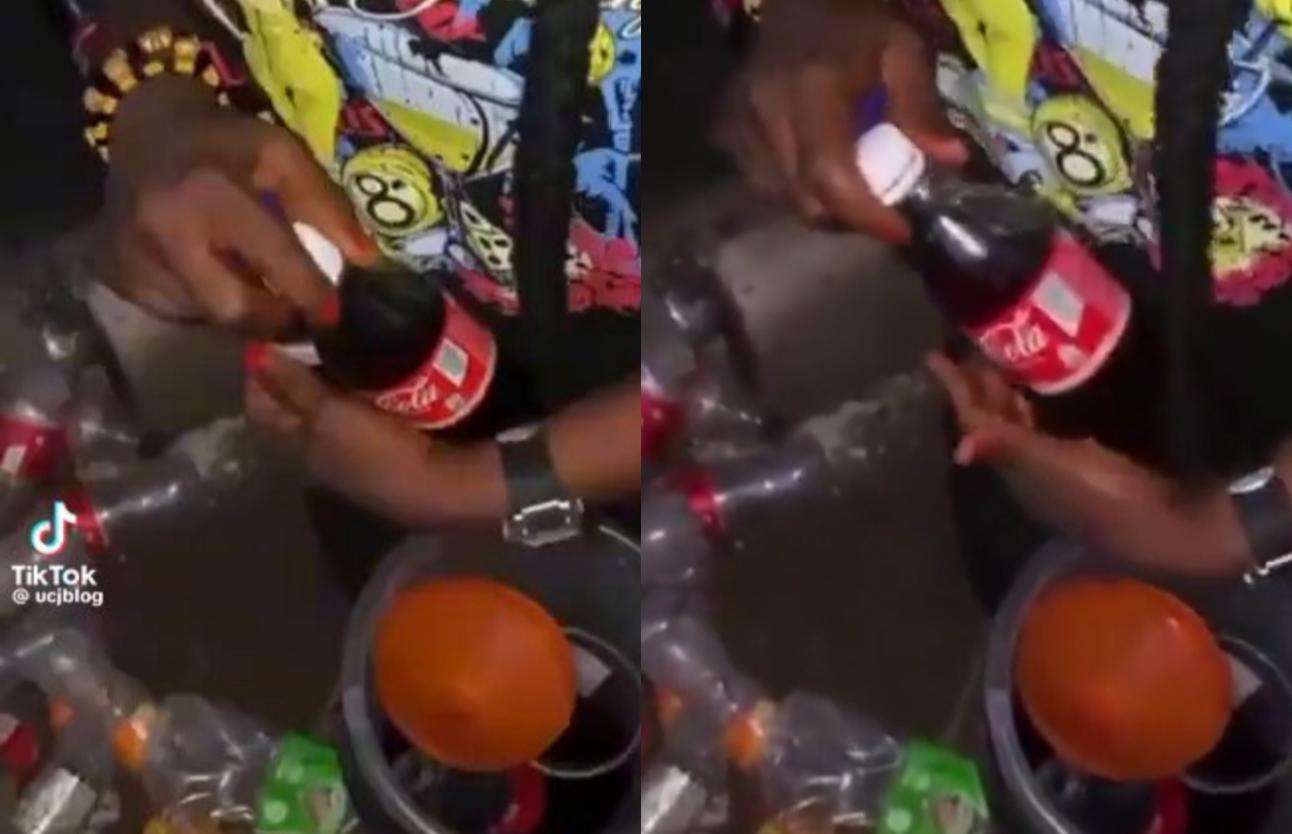
A video circulating online shows the moment a woman was allegedly caught producing fake Coca-Cola and Pepsi products, and allegedly tried to offer ₦5 million to stop the discovery from being made public.
The Discovery
In the video, the woman is confronted after reportedly being caught in the act of manufacturing counterfeit versions of two of Nigeria’s most widely consumed soft drink brands. According to the account in the clip, once the operation was uncovered, she offered ₦5 million (about $3,200) in an apparent attempt to keep the matter quiet and avoid exposure. The exact location of the operation, and whether she has since been formally arrested or handed over to regulatory authorities, have not been independently confirmed beyond what is shown in the video.
A Well-Documented National Problem
Counterfeit beverage production is not new in Nigeria, and cases involving genuine brand names being cloned onto fake products have surfaced repeatedly. In January 2025, the National Agency for Food and Drug Administration and Control (NAFDAC) shut down Cemetery Market in Aba, Abia State — long known as a hub for counterfeit drink production — seizing over ₦5 billion worth of fake and substandard food and beverages, including cloned Coca-Cola and Sprite, from more than 240 makeshift factories operating in unsanitary conditions. NAFDAC’s Director-General, Prof. Mojisola Adeyeye, said the counterfeiters used contaminated water, harmful chemicals, and dirty recycled bottles to manufacture fake versions of well-known brands. In a separate case in Lagos, NAFDAC seized over ₦180 million worth of fake alcoholic drinks from a makeshift factory, where the main suspect confessed to refilling branded bottles with cheaper, unauthorised contents. Attempts to bribe authorities to look away from wrongdoing have also come up in unrelated cases — in one recent example, residents of a Kano community were praised for rejecting an alleged ₦10 million bribe offered to conceal a suspected drug trafficking operation and instead reporting it to police.
How the Trade Manages to Continue
Counterfeit beverage production persists in Nigeria because of the sheer profitability of cloning a well-known, trusted brand without the cost of genuine ingredients, quality control, or regulatory approval. Weak enforcement in informal markets, combined with consumers who may not always be able to tell a fake from the original at the point of purchase, gives counterfeiters room to operate for extended periods before they are caught.
The Price Paid, by Consumers and the Country
For individual consumers, drinking a counterfeit beverage carries real health risks, since these products are often made with unregulated ingredients, contaminated water, or harmful chemicals not fit for consumption. For the country as a whole, counterfeit production undermines confidence in genuine Nigerian-made and internationally distributed products, costs legitimate manufacturers revenue and brand reputation, and adds to the broader burden already placed on regulatory agencies working to keep unsafe products out of the market.
Guarding Against Fakes
Consumers are generally advised to buy soft drinks from known, reputable retailers rather than informal roadside sellers, and to check bottle caps, seals, and printing quality for inconsistencies that can signal a counterfeit. NAFDAC has also urged Nigerians to report suspicious production sites or products directly to the agency rather than staying silent. For cases like the one in this video, resisting any offer to hush up the discovery, and instead reporting it to NAFDAC or the police, is what ultimately allows regulators to shut such operations down for good.
Our Verdict
An alleged bribe offer, on top of an alleged counterfeit operation, tells its own story about how seriously the person behind it understood the consequences of being caught. We believe cases like this deserve to be pursued all the way to prosecution, not left to end with a viral video and public shaming alone, because the real danger here isn’t reputational, it’s what unsuspecting Nigerians could have ended up drinking.
Published by Ejoh Caleb