
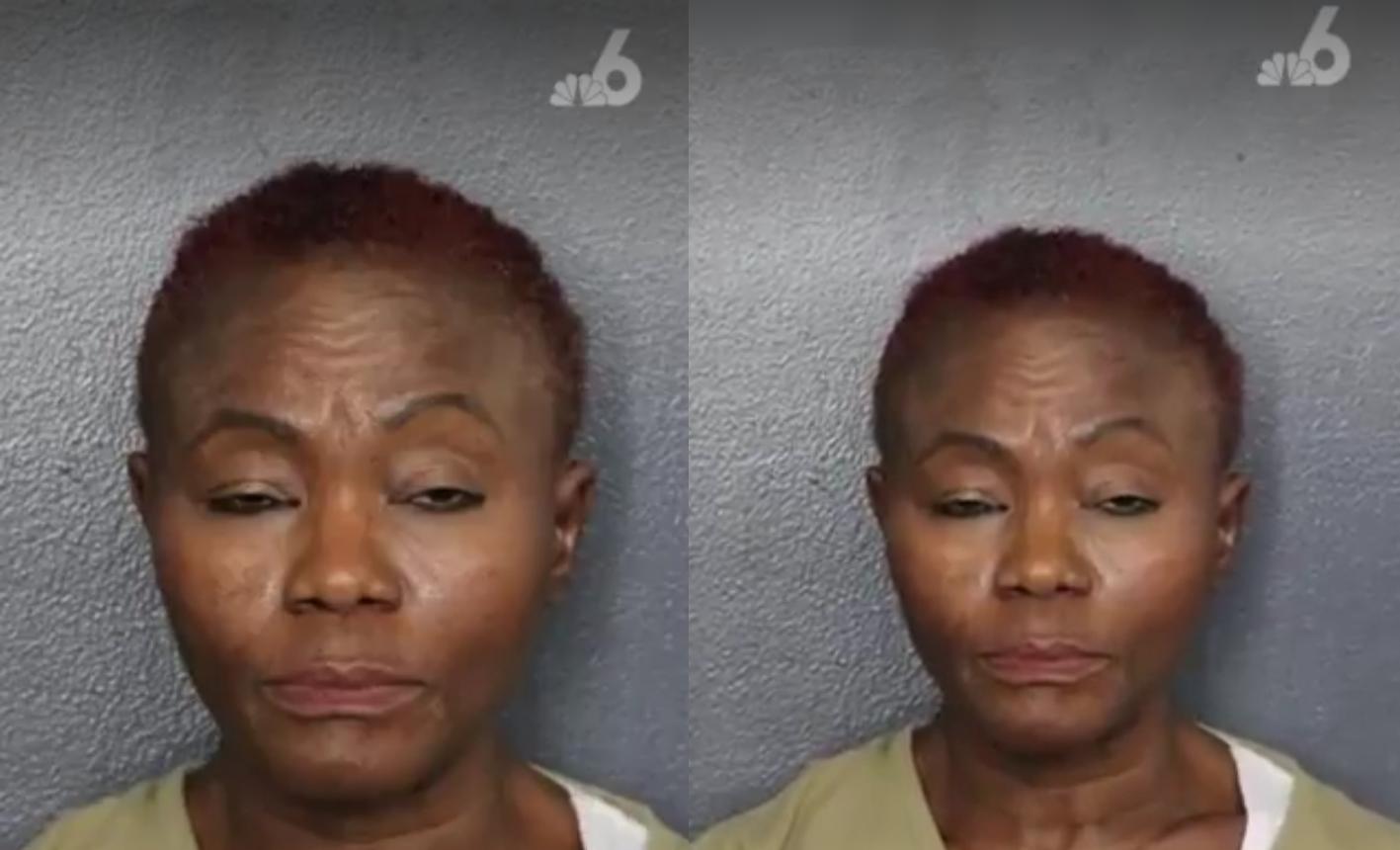
A Nigerian-born pharmacist in the United States has been convicted for her role in one of the largest oxycodone distribution schemes prosecuted in South Florida in recent years. A federal jury in the Southern District of Florida found Olushola Yusuf, 60, guilty of conspiracy to illegally distribute drugs and five counts of illegal drug distribution, after evidence showed she dispensed at least 335,351 pills of oxycodone 30mg, the strongest available dose of the painkiller, to customers who had no legitimate medical need for it.
According to court documents and trial evidence, Yusuf owned and operated two pharmacies in Broward County, Florida, Boots LLC, trading as Striderite Pharmacy in Margate, and Chans Pharmacy Plus in Pembroke Pines. She dispensed oxycodone to nearly all of her pharmacy customers, charged roughly ten times the typical cost of the drug, and required payment in cash, with some customers paying as much as $1,000 a month.
Witnesses at trial said Yusuf kept her pharmacy doors locked during business hours and only allowed in customers she recognised, some of whom were drug dealers collecting pills on behalf of dozens of people who were not present, while others travelled long distances from across Florida because no other pharmacy would fill their prescriptions.
U.S. Attorney Jason A. Reding Quiñones said Yusuf continued the scheme even after her own employees and the Drug Enforcement Administration (DEA) warned her about the dangers of her conduct, adding that she “put profit ahead of patients, public safety, and her responsibilities as a pharmacist.”
Yusuf faces a maximum penalty of 20 years in prison on each of the six counts. Her sentencing hearing is scheduled for October 14, 2026. Her co-defendant, Saman Gimenez, had earlier pleaded guilty and is also due to be sentenced that October.
Not the First Time a Nigerian Professional Has Been Convicted of US Healthcare Fraud
Yusuf’s case joins a small but recurring list of Nigerian nationals or Nigerian-born professionals convicted of healthcare-related crimes in the United States.
In March 2010, Linda Eteimo Ere Kendabie, a Nigerian woman, pleaded guilty to fraudulently billing Medicare $840,000 for orthotic braces, admitting that most of the products billed were medically unnecessary. She was ordered to pay $461,244 in restitution and sentenced to 15 months in prison.
More recently, a Nigerian man, Fatunmbi, pleaded guilty to his role in an $8.3 million Medicare fraud scheme involving false claims for medically unnecessary equipment, such as power wheelchairs, resulting in Medicare paying out more than $1 million based on fraudulent billing.
These cases sit inside a much larger pattern of pill mill and healthcare fraud prosecutions across the United States. In its 2026 National Health Care Fraud Takedown, the U.S. Department of Justice charged 455 defendants, including 90 doctors and other licensed medical professionals, in connection with more than $6.5 billion in alleged false claims and opioid abuse schemes involving significant patient harm, including death.
Why Cases Like This Keep Happening
Investigators and prosecutors point to a few recurring patterns behind pill mill schemes like Yusuf’s.
Financial incentive is the clearest driver: prescription opioids, especially high-dose formulations like oxycodone 30mg, can be resold at a significant markup, making them attractive to both dishonest providers and street-level drug dealers.
Weak internal oversight also plays a role. In Yusuf’s case, prosecutors said she ignored repeated red flags rather than acting on them, including warnings from her own staff and the DEA.
More broadly, America’s decades-long opioid epidemic has created a large, desperate customer base willing to pay inflated cash prices, which some pharmacists and doctors have chosen to exploit rather than refuse. Opioid overdoses have killed more than half a million Americans since the crisis was declared a public health emergency in 2017, though deaths have been falling recently, with an estimated 69,147 drug overdose deaths recorded in the 12 months ending January 2026, a 13.2 percent decline from the previous year.
How a Case Like This Affects More Than the People Directly Involved
For the communities Yusuf’s pharmacies served, the harm is direct: hundreds of thousands of high-dose opioid pills entering circulation almost certainly fed both addiction and the resale drug trade in South Florida.
For the pharmacy profession, cases like this erode public trust in a role built entirely on trust, since patients rely on pharmacists to act as a check against exactly this kind of abuse, not a source of it.
For Nigerians living abroad, a high-profile conviction like this one can feed into unfair, broad-brush stereotyping of an entire diaspora community over the actions of one individual, even though the overwhelming majority of Nigerian healthcare professionals abroad practise legally and often fill critical staffing gaps in the countries where they work. For Nigeria as a country, cases like this can complicate the national conversation around the value of its medical diaspora, arriving at an awkward moment given the federal government’s recent public appeals for Nigerian doctors and healthcare workers abroad to reconnect with, or return to, the country.
What Could Help Prevent Cases Like This
U.S. pharmacy regulators and the DEA could strengthen automated monitoring of prescription volumes, so pharmacies dispensing unusually large quantities of high-risk drugs like oxycodone 30mg are flagged and investigated faster.
Pharmacy chains and independent pharmacy associations could establish clearer, mandatory reporting channels for employees who witness red flags, protecting whistleblowers who raise concerns internally before authorities have to intervene.
Nigerian professional associations abroad could take a more visible role in publicly distancing legitimate members from individual bad actors, helping protect the reputation of the wider diaspora professional community.
Continued cash-payment monitoring for prescription drugs could help regulators catch pill mill operations earlier, since cash-only, high-volume dispensing is a recurring pattern in these cases.
Licensing boards could conduct more frequent, unannounced audits of pharmacies with unusual billing or dispensing patterns, rather than relying mainly on complaints or whistleblowers to trigger investigations.
Our Take
Cases like this one are uncomfortable precisely because they involve someone who was supposed to be a safeguard, not a supplier. Every one of those 335,000 pills passed through the hands of a licensed professional who knew exactly what oxycodone 30mg is meant for and who it is meant to help. I do not think one person’s crime should define an entire community of hardworking Nigerian professionals abroad, many of whom are the ones Nigeria is now actively trying to bring home. But it is also fair to say that trust, once broken this publicly, does not stay contained to one pharmacy or one state. The healthiest response from Nigeria’s diaspora community is not defensiveness, but the same accountability prosecutors just applied to Yusuf herself.
Published by Ejoh Caleb