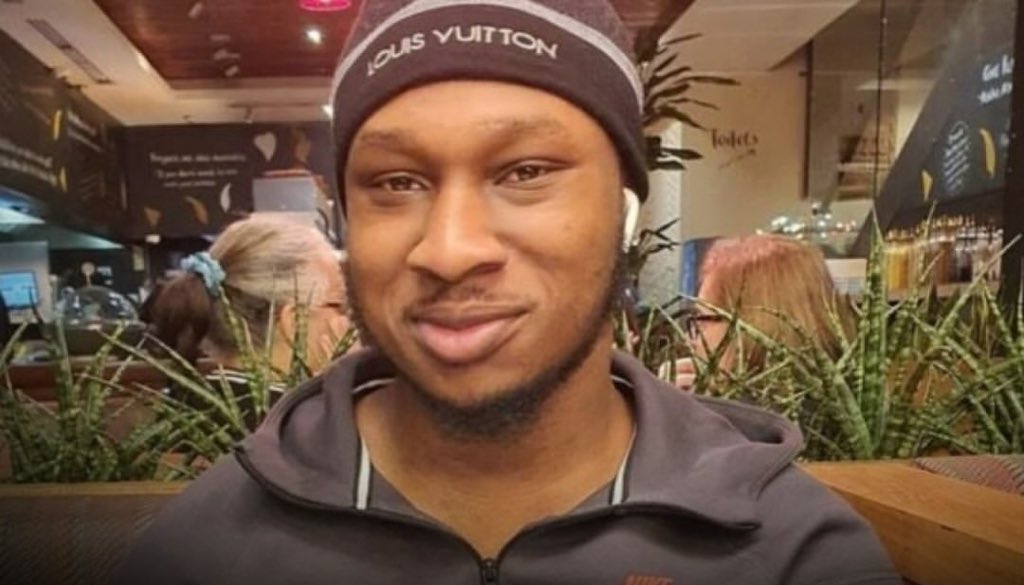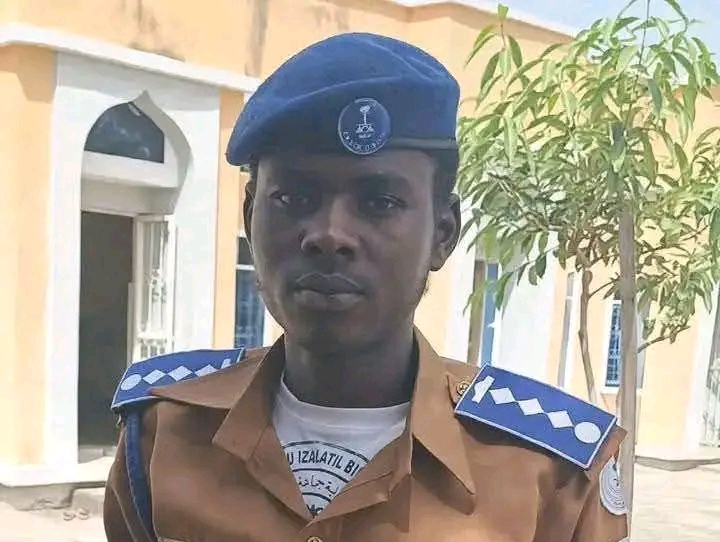

The Enugu State Police Command has arrested Ugbor Chika Paul, a 30-year-old man, over alleged serial rape, robbery and sextortion (blackmail that uses private images) targeting women. Police said he lured female Point-of-Sale (POS) operators to isolated places under the pretext of doing transactions. He then allegedly robbed and sexually assaulted them.
Police said the suspect admitted using a Facebook profile named “Franklin Umeh” to lure another woman. A phone recovered from him reportedly contained nude images and video clips of identified and unidentified women.
What Police Allege and What Is Still to Be Tested (An Admission Reported by Police Is Not a Court Verdict)
Police linked the suspect to three reported cases involving women aged 20, 30 and 21, between May and October 2026. The first incident allegedly took place on May 21 at a bush behind a church at Coal Camp, where the 20-year-old victim lost ₦600,000. The second allegedly happened on August 11 at the same location, where the 30-year-old was robbed of ₦120,000. Police said she was not raped, because the attempt failed.
The third incident allegedly happened on October 4, when the 21-year-old, who had been lured through Facebook, was taken to a bush near Udi Siding.
These are police claims from preliminary findings. Police said investigations are continuing and he will be arraigned after they end. He has not been convicted, and we have not heard from him or his lawyer.
A Pattern of Danger for Women Who Handle Cash: Earlier Attacks on POS Operators and Other Women
Women who run POS businesses have been targets before. On October 17, a 28-year-old man, Michael Ayisa, allegedly robbed a female POS operator of ₦200,000 at gunpoint at her shop in Obollo-Afor, Udenu Local Government Area. Police arrested him the next day, with help from the Neighbourhood Watch Group, and said he confessed. That case differs from the new one, but it shows that women who handle cash face real risks in their shops and in the field.
Sexual violence against women has also drawn national concern in 2026. In March, Delta State police said 15 people were in custody over assaults on women during a cultural festival. The Nigerian Bar Association and other groups demanded an investigation. The Enugu police have also arrested a suspect in the Ekwulobia killing of a woman by her partner, as we reported earlier this month. These cases show a wider pattern of violence against women across different settings.
How Predators Use Trust, Money and Shame: What Makes These Crimes Hard to Stop (Sextortion Means Threatening to Share Private Images)
A POS operator depends on strangers. Her business only works if she meets people she does not know, handles cash and sometimes moves between places. A predator can use that need as cover by pretending to be a customer.
Online scams work in a similar way. A fake profile can look friendly and real. Once a person’s trust is won, a meeting can quickly become dangerous. Sextortion adds a second layer of harm, because the offender uses fear of public shame to keep victims quiet or to demand money.
Shame is a major reason these crimes go unreported. Many victims worry about blame from family, neighbours or even the police. The Enugu police acknowledged this when they urged women who had suffered cyberstalking or sextortion to come forward. The fault lies with the offender, not the person he targeted.
The Toll on Survivors, Small Traders and Nigeria’s Economy
The first cost is to the women. Rape and robbery can bring injury, fear, lost income and long emotional pain. A threat to share private images adds ongoing anxiety, and it can make a survivor withdraw from work or social life.
The harm also spreads across the country. Nigeria’s 2024 Demographic and Health Survey found that 21 per cent of women aged 15 to 49 had faced physical or sexual violence. POS operators and small traders keep many local economies moving. If women fear to open their shops, or avoid customers, families lose income and communities lose services. Online crimes like sextortion also weaken trust in digital platforms and add to the cost of policing.
Weighing Caution Against Blame: Safety Advice for Traders and Its Limits (Victim-Blaming Means Wrongly Holding a Victim Responsible)
Police advised women and business operators to be careful and report suspicious activities. Practical care can help, for example by meeting customers in open, busy places and telling someone where you are going. Group trading spots and shared shops can also add safety.
But advice has limits. It places a burden on the people who are being targeted, and it should never suggest that a victim failed to protect herself. A woman has a right to work and move freely. The responsibility for rape and robbery belongs wholly to the offender. Good safety advice and firm protection from the state must go together.
Building Safer Markets and Safer Screens: Fast Reporting, Protected Witnesses and Clear Online Rules
Police can make reporting easier by providing female officers, private reporting rooms and clear promises to protect a survivor’s identity. They can also check how suspects are caught and release only the details needed for the public. Market associations and POS groups can set up buddy systems, panic alerts and shared contact lists. Local governments can improve lighting and clear bushy areas near markets.
Social media platforms also have a part. They should make it easy to report fake profiles and blackmail, and respond quickly. Families can help by telling young women that anyone can be tricked, and that they will be supported if it happens. People who receive nude images of others should never share them, because forwarding them adds to the harm and may be a crime.
Justice Without Shame: Our Position on a Case That Needs Courage From Many
We join the police in urging other possible victims to come forward. We know it is hard, and no one should feel guilty for what was done to them.
We also remind readers that Ugbor Chika Paul is a suspect, not a convicted man. The court must test the evidence. But the claims are serious, and the women involved deserve a fair, careful and private process.
We urge the police to complete the investigation quickly and to protect every victim’s identity, including those in the recovered images. We urge market leaders and communities to stand with women who work with cash and strangers every day. A woman should be able to run her business without fear, and justice should never depend on her silence.
Published by Ejoh Caleb