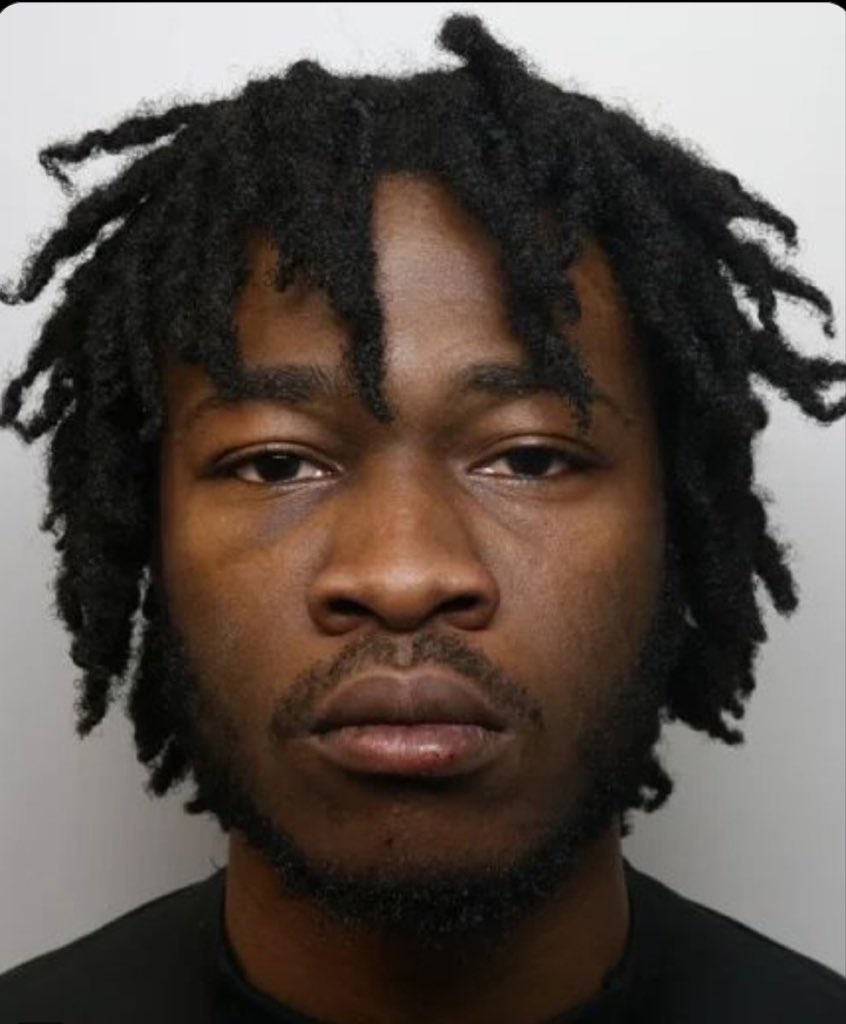
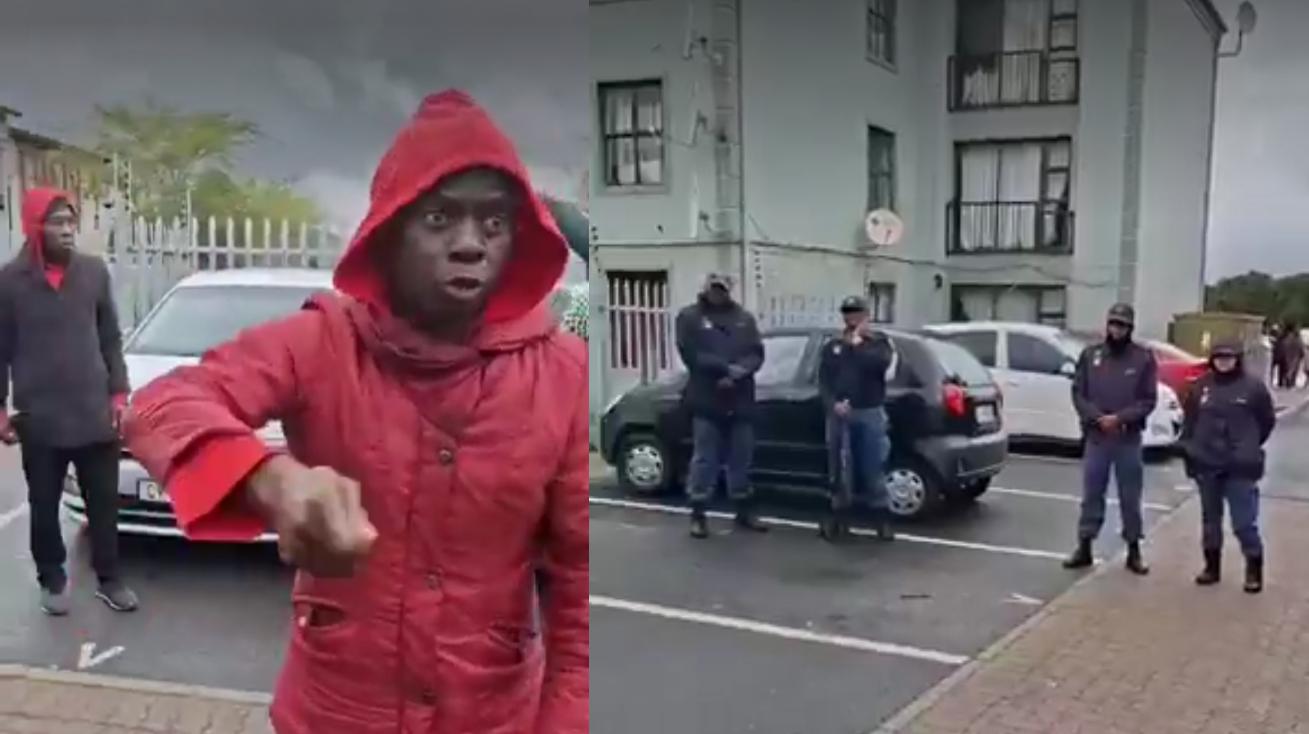
A Nigerian man has died following a South African police operation in Cape Town, according to Nigerians living in the country. The Nigerian Citizens Association South Africa (NICASA) says the victim, Chika Ibe, who was from Lokpaukwu in Abia State, died on Thursday, July 23, 2026, at the Parksig Villas Complex in Bellville, Cape Town, allegedly after being severely beaten, tortured, and suffocated during a police operation.
NICASA’s president, Rev. Frank Onyekwelu, described the death as deeply disturbing and said it would, if confirmed, amount to a serious violation of human rights. The association has called on South Africa’s Independent Police Investigative Directorate (IPID), the body that investigates crimes allegedly committed by police, and the leadership of the South African Police Service (SAPS), to launch an independent and transparent investigation.
Viral videos have shown Nigerians in South Africa taking to the streets to demand justice for Ibe. NICASA has, however, urged Nigerians to remain calm and avoid any retaliation, insisting that the matter should be pursued through proper legal channels.
A note on this report: some accounts circulating within the Nigerian community describe two separate victims in this incident, including one man allegedly shot. As of the time of this report, the confirmed reporting from NICASA and Nigerian news outlets covering the case names only one victim, Mr Ibe, with the cause described as suffocation and torture during the police operation. SAPS has not yet issued a public statement on this specific case.
This Is Not an Isolated Case — A Pattern of Nigerian Deaths in South African Police Custody
Just weeks before Ibe’s death, two other Nigerians died in similarly disturbing circumstances in South Africa. On June 28, 2026, Emeka Charles Iroegbu was allegedly killed by Tshwane Metro Police officers during an interrogation in Sunnyside, Pretoria, with reports suggesting he was beaten to death while in custody. On the same day, Musa Yunana Joe was shot and killed by unidentified attackers in front of his shop in Witbank, Mpumalanga.
SAPS pushed back against claims linking Iroegbu’s death to anti-migrant violence, saying he collapsed while being handcuffed and was declared dead by paramedics who arrived at the scene. The police service said both an inquest case and a drug possession case had been opened, and that IPID had been called in alongside SAPS detectives to attend the post-mortem.
Around the same period, a Ghanaian national, Bashiru Isak, was also killed in Cape Town. Ghana’s government said he was targeted for his nationality during anti-migrant protests, but South Africa’s Justice and Constitutional Development Minister rejected that account, saying Isak was attacked at his workplace on a different day from the protests and that the killing was being treated as a separate criminal matter.
These deaths follow a period of rising anti-migrant sentiment in South Africa. Nigeria’s government evacuated more than 1,500 of its citizens earlier this year after nationwide protests in which some South Africans called for the expulsion of foreign nationals.
Why Nigerians in South Africa Keep Finding Themselves in These Situations
A mix of factors explains why cases like this keep making headlines.
South Africa has struggled for years with high levels of xenophobia, a fear or hatred of foreigners, particularly targeting African migrants blamed by some citizens for unemployment and crime. This has fuelled repeated waves of protests and attacks against Nigerians and other African nationals.
Some Nigerian migrants, whether guilty or not, are also often assumed by South African police to be linked to drug crime, since a number of high-profile drug busts in South Africa have involved Nigerian suspects. This can lead to aggressive policing tactics during raids and stop-and-search operations in areas with large Nigerian populations, like Bellville.
Accountability mechanisms like IPID, while they exist on paper, are often criticised as slow. In a past case involving the police killing of a South African Nando’s employee, the investigation and disciplinary process dragged on for years, according to the victim’s family.
How Cases Like This Affect More Than the Families Involved
For the families of victims like Chika Ibe, the loss is deeply personal, made worse by having to seek justice in a foreign country’s legal system, often with limited resources and far from home.
For the wider Nigerian community living in South Africa, each new case adds to a climate of fear, making Nigerians more cautious, more distrustful of South African police, and, in some cases, more likely to consider leaving the country altogether.
For Nigeria as a nation, repeated deaths of its citizens abroad put pressure on the federal government to act diplomatically, and raise hard questions about how much protection the country can realistically offer citizens living overseas. It also affects Nigeria-South Africa relations more broadly, two of Africa’s largest economies, whose trade and diplomatic ties have already been strained by past waves of xenophobic violence. Repeated, unresolved cases like this can also feed public anger back home in Nigeria, adding pressure on the government to respond firmly.
What Could Help Prevent More Cases Like This
The Nigerian government could push for a formal, joint framework with South Africa to investigate and report on deaths of Nigerian nationals in police custody or during police operations, rather than relying only on diaspora associations to raise alarms.
IPID investigations into deaths involving foreign nationals should be prioritised and completed within clear timelines, with findings made public.
South African police could be given clearer, better-enforced guidelines on the use of force during raids and searches, especially in migrant-heavy communities.
Nigerian diaspora associations like NICASA could be given a formal role in monitoring and reporting on cases involving Nigerian nationals, working directly with Nigerian consular officials.
Both governments could invest in community dialogue programmes aimed at reducing xenophobic tension between South African citizens and migrant communities.
Our Take
What worries me most about this case is how familiar it already feels. In under a month, we have gone from Iroegbu and Joe to now Chika Ibe, each case following a similar script: a Nigerian dies during or after a police encounter, a community association raises the alarm, and South African authorities either stay quiet or push back on the framing. Even if some details are still unclear or contested, as they appear to be here, the pattern itself is not new, and that should worry both governments more than it seems to. Nigeria cannot fully control what happens to its citizens in another country, but it can insist, loudly and consistently, that every one of these deaths gets a real investigation, not just a statement.
Published by Ejoh Caleb