
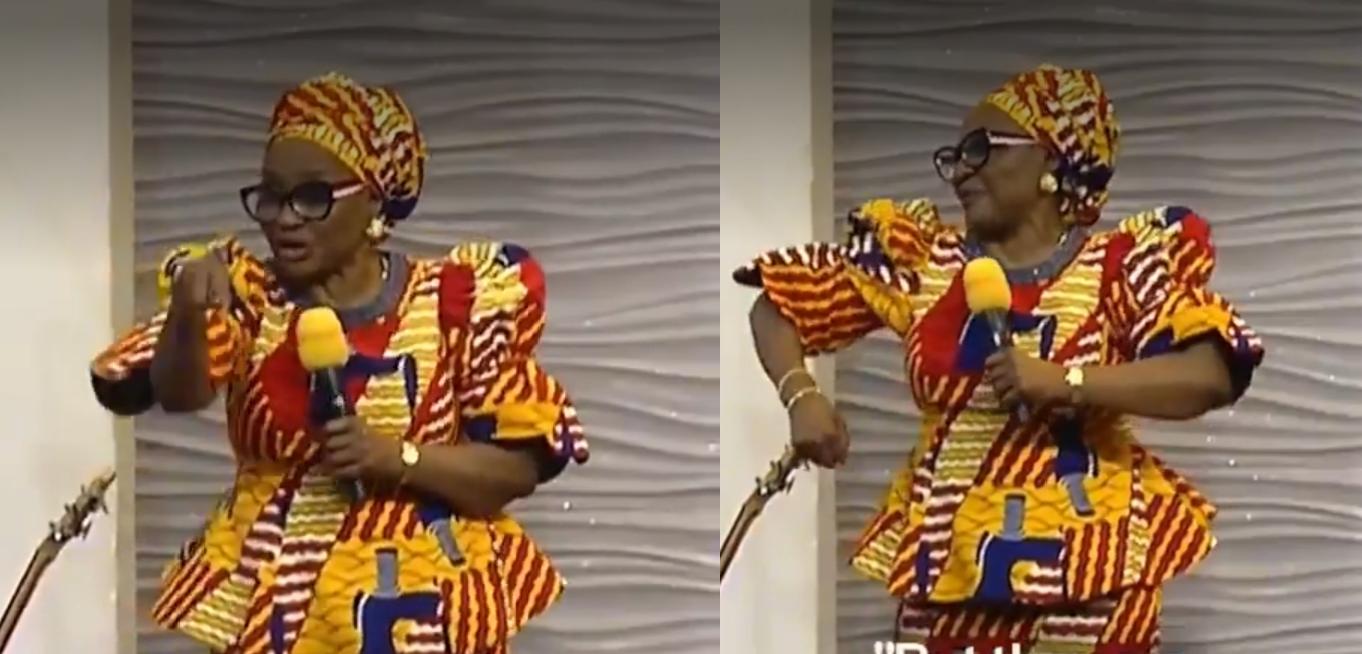
A viral sermon clip from a popular Nigerian pastor is stirring conversation about a subject many families avoid discussing until it is too late: who should be trusted to take care of your loved ones and property after you die.
What The Pastor Said
In the clip, Pastor Sarah Omakwu, Senior Pastor of Family Worship Centre, Abuja, told men not to name their brothers as their next of kin (the person legally recognised as your closest relative, who is contacted and given priority in matters like inheritance if something happens to you). According to her, a man’s wife or children should hold that position instead, because a brother would naturally prioritise his own children over his late sibling’s family. She gave the same advice to women, telling them to name their husbands, not sisters or other relatives, as next of kin.
Pastor Sarah is known across Nigeria for sermons on marriage and family life that often go viral. She has recently spoken on related themes, including telling couples that spouses should be aware of each other’s assets so that a surviving partner is not left stranded after a death.
Why This Advice Matters in Nigeria
In many Nigerian families, next of kin decisions are still shaped by tradition rather than by the realities of modern marriage. It remains common, especially among men, to list a parent or sibling as next of kin even after marriage, sometimes without much thought about what that choice could mean for a spouse or children later on.
This matters because “next of kin” is not just a name on a form. It can determine who is contacted first in a medical emergency, who has a say in funeral arrangements, and in some cases, who has practical control over bank accounts, pensions or property before a will is fully processed. Disputes over these questions have led to painful, drawn-out conflicts between widows and their in-laws in many parts of the country.
Causes and Effects
Why families get this wrong often comes down to habit and discomfort. Many people fill out next-of-kin forms as teenagers or young unmarried adults and simply never update them after marriage. Others avoid the topic entirely because talking about death still feels taboo in many Nigerian households.
Effects on individual families can be severe. When a spouse is not formally recognised as next of kin, they may struggle to access joint accounts, make medical decisions, or even claim entitlements after a partner’s death, especially if in-laws contest the arrangement.
Effects on Nigeria as a country show up in the courts and in communities. Inheritance and next-of-kin disputes are a recurring source of family litigation in Nigeria, tying up court time and, in some cases, leaving children financially stranded while adults argue over who is entitled to what. A culture where these decisions are made proactively, rather than left to chance, could reduce the volume of such disputes nationally.
Possible Solutions
Update next-of-kin details after marriage. Employers, banks and hospitals typically allow this to be changed at any time, not just when first joining.
Have open conversations with extended family early. Making intentions clear while everyone is alive can reduce the shock and suspicion that often follow a sudden death.
Put major decisions in writing. A properly drafted will, alongside next-of-kin paperwork, gives spouses and children stronger legal standing than informal family understanding alone.
Treat this as normal financial planning, not a taboo topic. Framing these conversations around protecting one’s family, rather than around death itself, can make them easier to have.
Our Take
I think what makes this clip resonate is that it names something many Nigerian families quietly avoid. Nobody wants to imagine their spouse struggling to access an account or being pushed aside by relatives after a loss, but that scenario plays out often enough that it deserves more attention than it gets. Pastor Sarah’s advice will not settle every family’s inheritance argument, and traditions around extended family loyalty run deep for good reason. Still, updating a next-of-kin form is a small, practical step that costs nothing and could spare a spouse or children real hardship later. That seems like advice worth taking seriously, whether or not one agrees with every part of her sermon.
Published by Ejoh Caleb