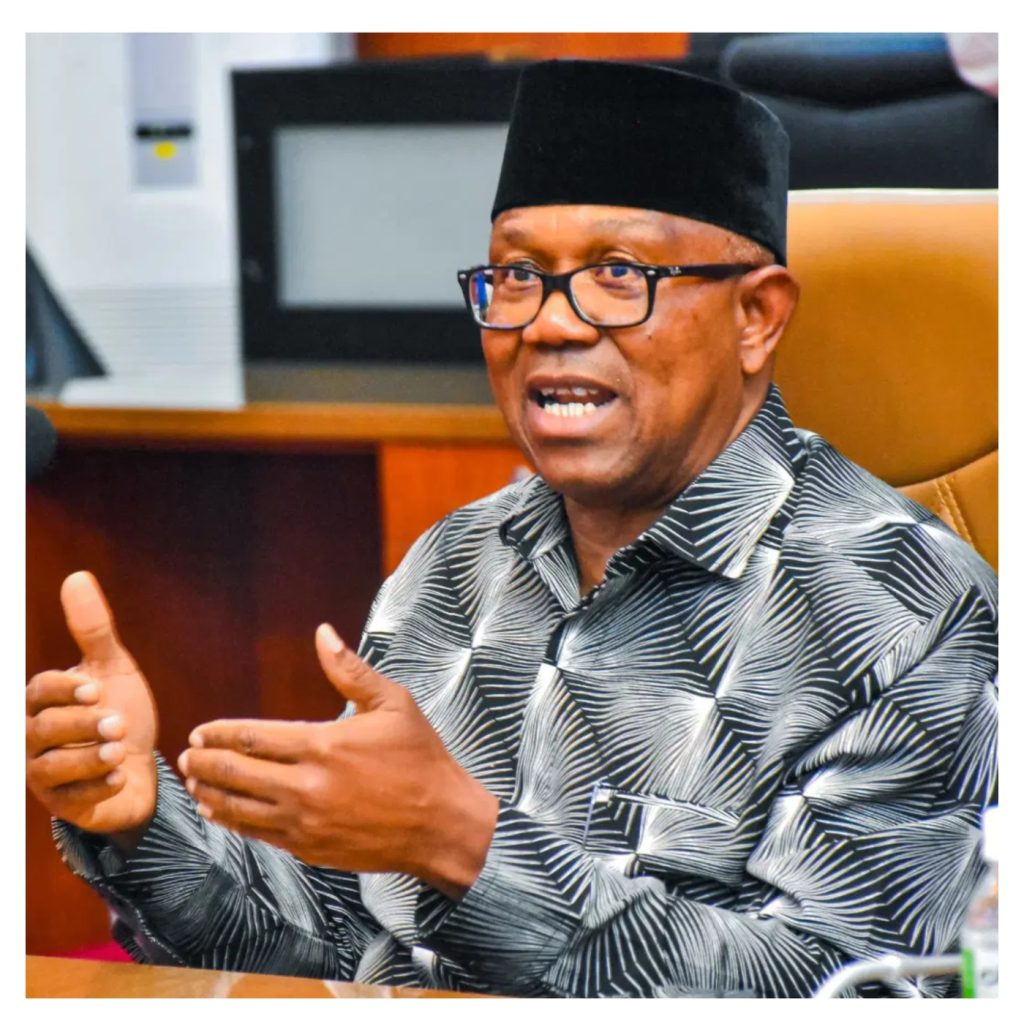
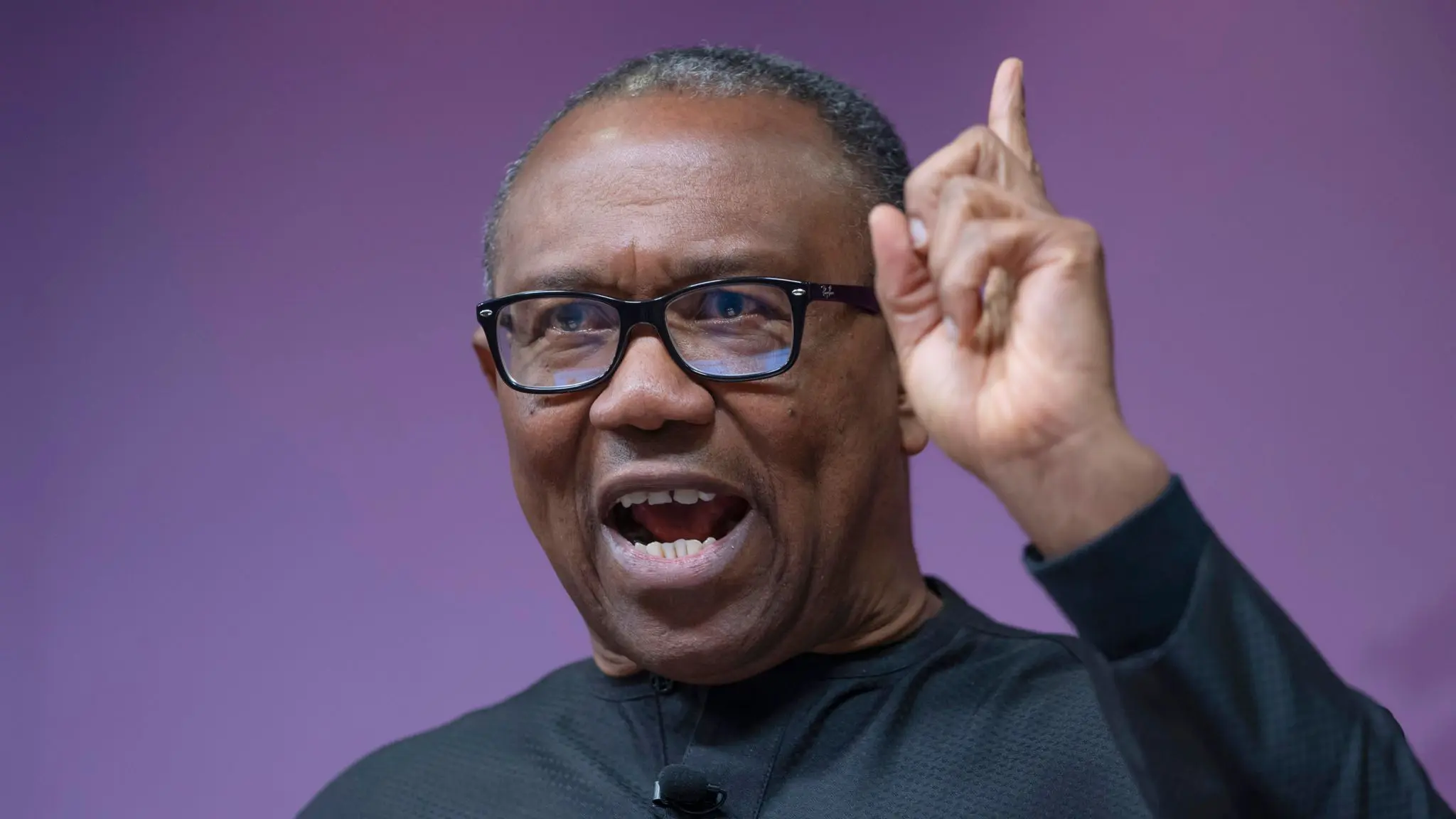
Peter Obi’s public image—calm, disciplined, minimalist, and reflective—has set him apart in Nigeria’s political space. Some people connect this demeanor to his background in philosophy, suggesting that it may influence how he thinks, decides, and communicates. Philosophy does, after all, train people to reason carefully, question assumptions, and consider long-term consequences.
That said, it’s important not to over-attribute political behaviour to academic training alone. Leadership in practice is shaped by many forces: institutions, experience, political realities, public pressure, and personal choices made under difficult conditions. A philosophical education may shape thinking, but it does not automatically determine effectiveness in governance.
Plato’s idea of the “philosopher king” remains powerful because it raises a timeless question: what happens when wisdom and power come together? But history also shows that wisdom alone is not enough—good intentions and intellectual depth must still be tested in the demanding arena of real-world leadership.
So rather than focusing on whether any leader fits a philosophical ideal, the more useful question may be: how well do their actions reflect integrity, competence, and a genuine commitment to public good?
If those qualities are present, then the discussion becomes less about labels like “philosopher king” and more about measurable impact on society.
Published by Chuks Nwachuku