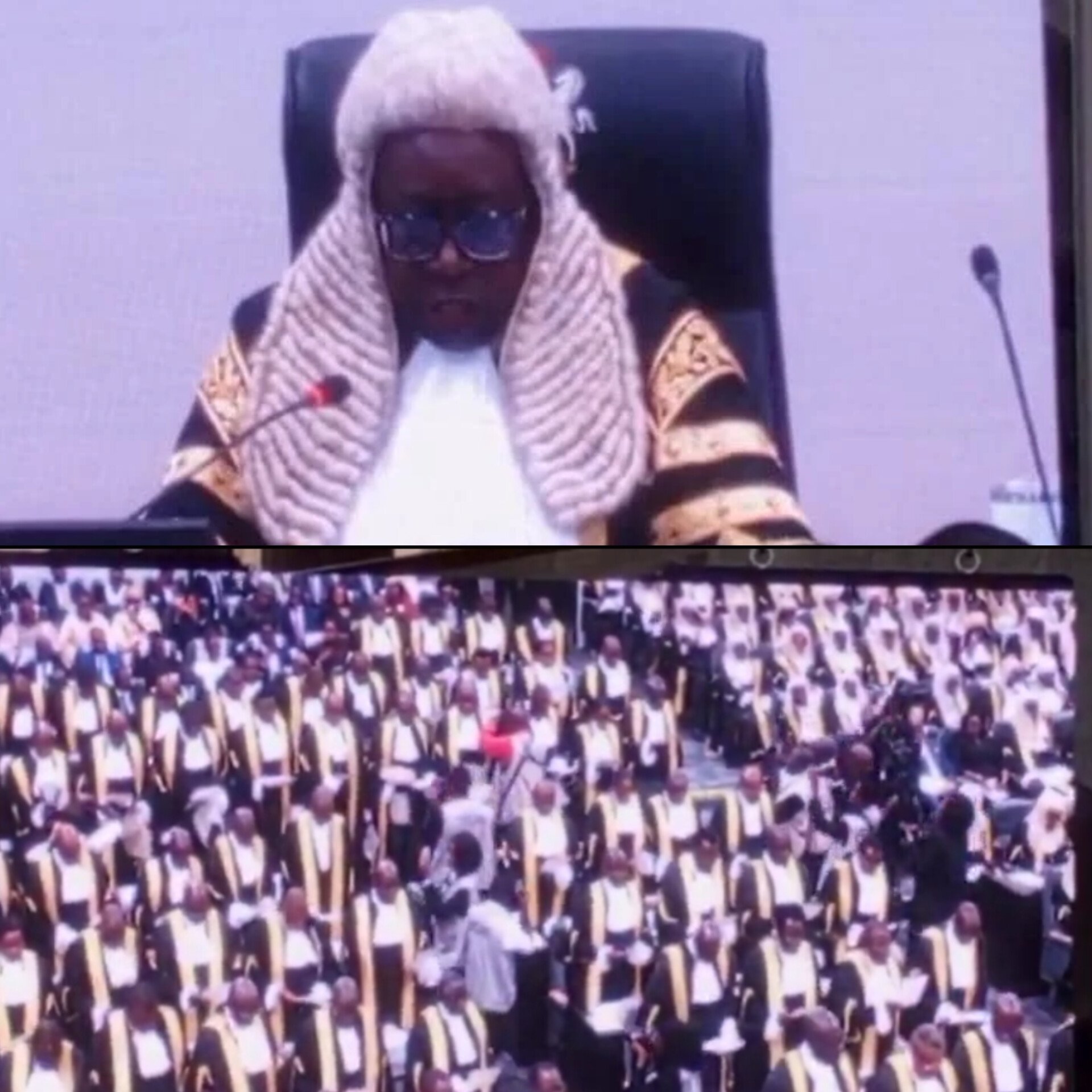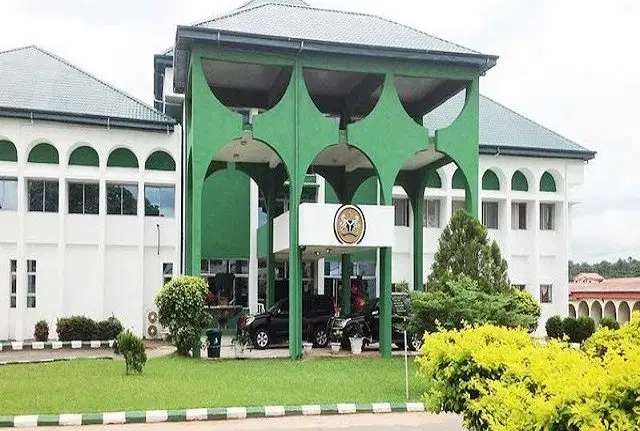
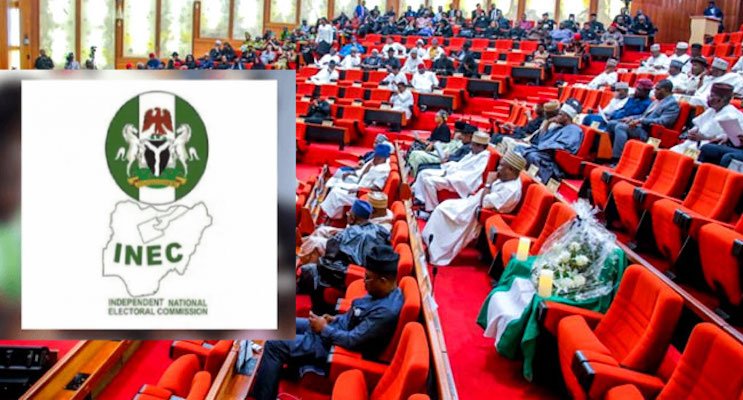
The Senate has called on the Independent National Electoral Commission (INEC) to disqualify political candidates whose supporters are found to have instigated or taken part in electoral violence, whatever their party. The resolution came on Tuesday, November 17, 2026, after a motion by Senator Abdul Ningi (Bauchi Central). It said the move must follow the Electoral Act 2026 and an established court conviction. The Senate’s call does not bind INEC. It is a resolution that urges action ahead of the 2027 general elections.
The Resolutions in Detail: Sanctions, Investigations and Open Venues
Senators asked security agencies to investigate reported attacks in the Federal Capital Territory, Edo, Delta and Sokoto states, identify those responsible and their sponsors, and bring them to justice. They also urged the Federal Government to tighten security around political leaders, candidates, supporters and gatherings, with early-warning and rapid-response systems. The Senate also called on state governors to stop restricting opposition parties from using public facilities such as hotels and stadiums. It stressed that all parties must be able to operate freely and safely. The reports we found do not name any governor.
Senate committees were told to consult election and security authorities and to report within one week.
Law, Thresholds and Open Questions About Disqualification
Senate President Godswill Akpabio pointed to Sections 121 to 128 of the Electoral Act 2026. He said they cover intimidation and the snatching of BVAS machines, ballot boxes and other election materials. The report says penalties range from 12 months to five years in prison for such offences, with no fine for serious cases such as stoning and beating. He also cited Section 92, which allows elections to be suspended in violent areas. We have not checked these sections ourselves.
The key question is the standard of proof. Some reports say the Senate wants disqualification only after a court conviction. Another says candidates could be disqualified if INEC finds a prima facie case. These are very different rules. The final resolution and the Act’s text will decide which applies.
Recent Incidents That Prompted the Motion and the Disputes Around Them
Reports say the debate followed attacks on political figures and supporters. On Friday, November 13, the FCT Police Command said people attacked the President’s convoy after Jumu’ah prayers at a mosque in Garki, Abuja, using stones and other objects. It said several vehicles were damaged and some security personnel were injured. It said 78 people were arrested and then released after the President extended clemency. A presidential aide had earlier dismissed reports of an attack as a narrative pushed by the opposition. Premium Times reported that the President was booed. These accounts conflict, and we cannot settle them.
The attacks reported this month also include a rally of Peter Obi’s supporters in Asaba, Delta State, where one person was reportedly killed and five injured. Daily Trust reported attacks affecting several parties, including Atiku Abubakar’s convoy in Kebbi. Parties blame each other, and none of those claims has been proven in court.
Election Seasons of the Past Show Why Warnings Alone Have Not Worked
Death counts differ by monitor. The Nigeria Civil Society Situation Room estimated 626 killed in six months around the 2019 elections. EU observers cited 150 deaths linked to the 2019 election. For 2023, the Kimpact Development Initiative recorded 238 incidents and 24 deaths, while Leadership reported at least 39 deaths.
Follow-up has often been slow. After the 2023 presidential election, police said electoral violence cases were at the investigation stage and would be passed to INEC’s legal department. An editorial urged judges to speed up such cases. Senator Hussaini accused the National Assembly of complicity for not carrying out reforms, and he recalled that the Uwais committee had proposed special bodies and courts for electoral offences. Mr Akpabio said an Electoral Offences Commission Bill was passed alongside the Act.
Money, Thugs and Weak Enforcement: Forces That Keep Violence Alive
Violence persists when it carries few risks. Hired groups can be paid to disrupt rivals’ rallies, and sponsors rarely face trial. Ordinary supporters can be drawn in by anger or money. Akpabio warned parents not to let children be used for political violence.
Weak enforcement is the central problem. The law already lists offences, yet few high-profile sponsors have been prosecuted. Without arrests and verdicts, threats of disqualification may sound like old warnings.
The National Stakes: Voter Turnout, Public Safety and Trust in Results
Violence harms voters first. Minority Leader Abba Moro warned that unchecked violence could frighten people away from voting and threaten democracy. Senator Ningi said attacks on candidates and rallies threaten national security and participation. The presidential and National Assembly elections are set for January 16, 2027, and governorship and State Assembly elections for February 6.
If people fear for their safety, turnout can fall and results can lose credibility. That can spark court fights, protest and more tension. A fair campaign season is part of a fair election.
Holding Candidates Accountable Without Opening Doors to Abuse
The idea has real force. Senator Kawu Sumaila said a candidate who arrives at a venue surrounded by supporters carrying dangerous weapons should answer for the violence. If candidates face real cost, they have a reason to restrain their followers. Supporters of the rule say it protects ordinary voters.
But there are risks. A candidate could be unfairly blamed for the acts of people he did not send. A rival might try to provoke trouble to harm an opponent’s chances. A weak standard of proof could let an agency be used for political ends. That is why a court conviction, a clear link between the candidate and the violence, and a fair hearing matter. Disqualification should punish those who truly sponsor violence, not those who are merely targeted by it.
Practical Steps to Turn a Resolution Into Real Protection
INEC can state publicly how it will apply the rule, including the standard of proof. The police and prosecutors can fast-track cases from this season and publish their progress. The National Assembly can fund and set up the electoral offences body and consider special courts, as some senators suggested. Parties can sign pledges, discipline supporters and cooperate with investigators.
Security agencies can improve early warning and keep neutral and visible protection at rallies. Governors can open public venues fairly to all parties. Citizens and the media can report incidents with evidence and avoid spreading unverified claims.
Words in the Chamber Matter Only When Followed by Action in the Field
We welcome the Senate’s cross-party stand, and we note that the sponsor and the critics came from different parties. A resolution that protects every party’s supporters is worth supporting.
But we have seen strong words before. The real test will be whether arrests, trials and fair penalties follow, and whether INEC applies any rule the same way for every party. We also believe fairness must protect the accused as well as the victims. Our elections will be safer when the law is clear, the courts are quick and the rules apply to all. That is how we can make the 2027 vote one that all Nigerians can trust.
Published by Ejoh Caleb