
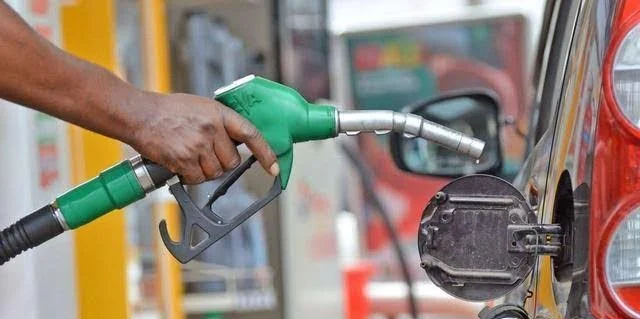
Reports say petrol depot prices rose to ₦1,900 per litre in Port Harcourt on Friday, October 9, 2026, within hours of the Federal Government’s announcement of a 30-day petrol discount at NNPC stations. A depot is a storage and loading point where marketers buy fuel in bulk before selling it to filling stations. The figure comes from a report by Vanguard, which was copied by many other outlets.
It is not a nationwide pump price. Retail prices in Lagos were far lower, and other price data does not fit the Port Harcourt figure, as explained below.
What Vanguard reported (the claimed price jump)
According to the report, NIPCO raised its petrol depot price in Port Harcourt by ₦170 per litre, from ₦1,730 to ₦1,900. Six other depots, including African Terminal, Ascon, Eterna, Gulf Treasure, Ibachem and Ibeto, were reported to have raised their prices from ₦1,750 to ₦1,900. Brent crude was said to have risen to $104.50 a barrel. In Lagos, depots such as Masters, Sigmund and T.S.L were listed at ₦1,350 to ₦1,360. NNPC stations sold petrol at ₦1,360 in Lagos and MRS at ₦1,338.
The chief executive of Petroleumprice.ng, Olatide Jeremiah, told Vanguard that the downstream sector, the part of the industry that deals with refining, storage and sale, will keep responding to world oil market developments. A marketer quoted by another outlet said that if stations buy at ₦1,900, they will sell at over ₦2,000 at the pump.
Why the Port Harcourt figure does not add up (the conflicting data)
Other market data points the other way. On Monday, October 5, Petroleumprice.ng data cited by Legit put petrol depot prices in Port Harcourt between ₦1,305 and ₦1,308 per litre, a little below Dangote Refinery’s gantry price of ₦1,325. The gantry price is the price at the refinery’s loading point. A rise from about ₦1,305 to ₦1,900 in four days would be a jump of almost 50 per cent, while Brent crude moved only slightly, from $104.28 to $104.50, in the same report.
There is another clue in the same Vanguard report. Its diesel figures for Port Harcourt are ₦1,720 for Dangote and ₦1,825 for Masters. These are close to the “petrol” prices listed for Port Harcourt (₦1,730 to ₦1,750 rising to ₦1,900). That suggests the Port Harcourt petrol figures may have been mixed up with diesel, but we cannot confirm this. We have not found a correction from Vanguard or Petroleumprice.ng.
Who is right is not clear (what we can and cannot say)
We can say that several outlets reported the ₦1,900 figure, and that all appear to rely on the same Vanguard report. We cannot confirm that petrol is selling for ₦1,900 at any depot or station. Readers who heard that petrol “is now ₦1,900” should treat it as an unconfirmed claim about some Port Harcourt depots, not as the price at the pump.
A market that has moved quickly (past price changes)
Fuel prices have been moving sharply this year. On September 12, Dangote Refinery raised its petrol price by ₦85, from ₦1,265 to ₦1,350 per litre. Nine days later it cut the price by ₦25 to ₦1,325, as global crude prices eased, and depots in Port Harcourt, Calabar and Warri moved their prices closer to that level. In July, the refinery briefly switched to dollar pricing, then returned to naira sales at ₦1,215 per litre, and marketers warned that the changes could push prices up.
The longer trend is steeper. When the subsidy was removed in May 2023, NNPC raised pump prices to between ₦488 and ₦557 per litre. By April 2026, the National Bureau of Statistics put the average retail price at ₦1,532.93, up 23.69 per cent in a year. These past cases show that prices can rise and fall within days, and that depot data and pump data do not always move together.
What pushes prices up (the forces at work)
Several things set fuel prices in a deregulated market, where the government no longer fixes them. World crude oil prices are one, and Brent above $100 raises the cost of both imported and locally refined fuel. The naira exchange rate is another, since crude and imports are priced in dollars. Depots also compete on supply, transport costs and each marketer’s own pricing decisions. Dangote’s gantry price acts as a reference point for much of the market.
Marketers have complained before that quick changes at the refinery force them to change pump prices, and have warned about replacement costs.
Why a wrong number can still do harm (effects)
If depot prices really rose that far, filling stations could raise pump prices, and transport fares and food prices would follow. The NNPC discount only covers its own stations, so many motorists would not benefit.
Even if the figure is mistaken, it can cause harm. Reports of a ₦1,900 price can spark panic buying, queues and price hikes by retailers who use the headline as an excuse. That adds to the cost of living, and further damages trust in official price promises.
Clear, checked prices (possible solutions)
Outlets that published the figure can check it against their source data and correct it if it is wrong. Petroleumprice.ng and the regulator, the Nigerian Midstream and Downstream Petroleum Regulatory Authority (NMDPRA), can publish clear daily depot and pump prices, with product type, city and date. The Federal Government and NNPC can explain how the proposed ₦1,350 landing-cost ceiling will apply to private depots, and what will be done if depot prices rise above it.
Marketers can post clear prices at stations. Motorists can compare prices before filling up, and avoid panic buying, which pushes prices up further.
Check the number before you panic (our view)
We understand why a headline of ₦1,900 caused alarm. Nigerians have lived through years of rising fuel prices, and a new spike in the same week as a government discount would be bad news.
But the numbers do not fit together. Reports from only days earlier put Port Harcourt petrol depots at about ₦1,305, and the diesel figures in the same report look very close to the “petrol” ones. Until Vanguard, Petroleumprice.ng or the regulator confirms the data, we urge caution. If the figures are right, the government will need to explain how its discount can work when wholesale prices move this sharply. If they are wrong, a correction should travel as fast as the original report did.
Published by Ejoh Caleb