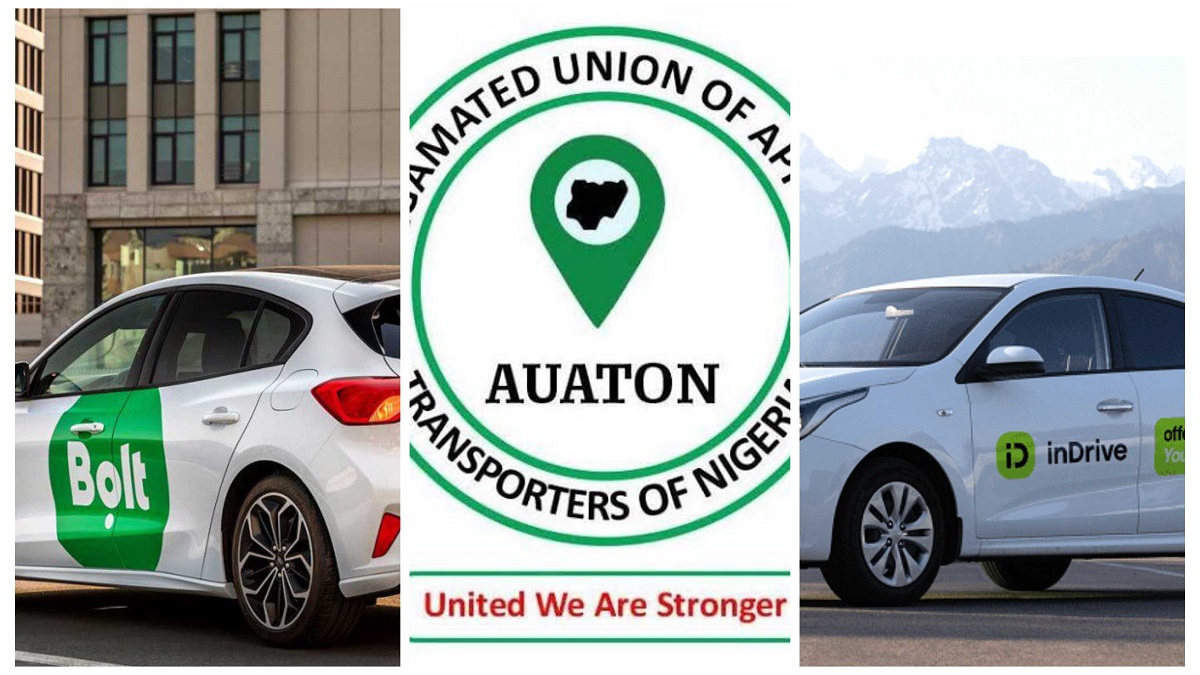
E-hailing drivers in Lagos took to the streets on Monday, October 12, 2026, calling on Bolt and inDrive to raise fares. They say the sharp rise in fuel prices is eating their earnings while the fares they charge stay the same. The protest is linked to an indefinite strike announced by the Lagos council of AUATON, which told drivers to withdraw from both platforms from that day. The video of the protest is here.
One driver told reporters he bought ₦80,000 worth of fuel and worked all night, but ended up with ₦60,000 by morning. That is his own account and we could not check his numbers. Bolt has proposed a roundtable with driver representatives early this week, and inDrive had not responded in the reports available.
This Fight Did Not Start Today: Past Strikes and Petitions in the Ride-Hailing Sector (Earlier Driver Protests)
Drivers have been warning of this for months. In March 2026, drivers working for Uber, Bolt and inDrive staged a three-day strike in Lagos and Ogun over what they called unsustainable fares and poor working conditions. They were especially unhappy with Uber’s 25 percent commission. Reuters reported that hundreds of drivers marched to the Lagos State Assembly with a petition, saying petrol prices had surged after the Iran conflict pushed up global oil prices. A lawmaker said the petition would be considered.
Uber has since left Nigeria, about six weeks before this strike. Al Jazeera noted that Uber did not say Nigeria was unprofitable and gave no detailed explanation.
Earlier, in June 2025, the Lagos State House of Assembly summoned Uber, Bolt, inDrive, Rida and LagRide to a public hearing after a union petition accused them of exploitative practices. At that hearing, drivers asked the assembly to cap commissions at 5 percent, and lawmakers signalled they wanted a legal framework covering driver welfare, safety and fair pay.
This is also not the first time a fuel hike has sparked a boycott. In 2020, after a national fuel price increase, drivers in Lagos lamented that app companies would not raise fares. They then began a week-long boycott of Uber and Bolt over a new state regulation they said ignored driver welfare. The pattern is clear: when costs rise faster than fares, drivers push back.
Rising Costs, Fixed Fares and Heavy Deductions: Where the Squeeze Comes From (Causes of the Dispute)
The first cause is fuel. In September, Dangote Refinery raised its petrol price from ₦1,265 to ₦1,350 per litre, and Lagos pump prices reached as high as ₦1,380. Leadership reported that the increase quickly pushed up transport fares in Lagos and Ogun. Petrol is a cost attached to almost every trip, so a rise hits drivers directly. Prices may have changed since, so readers should check current pump rates.
The second cause is commission (the share of each fare the app keeps). Drivers have complained about deductions of 25 percent or more. The union now wants commission capped at 10 percent. A news report said Bolt’s published rate is 20 percent, so the union’s target would halve it.
The third cause is that fares and costs are not set together. AUATON wants fare calculations to account for fuel, maintenance, insurance, vehicle financing, data, government levies, traffic and waiting time. Some Bolt Comfort drivers have even switched off their air conditioning during rides, saying low fares do not justify the extra fuel.
There is a platform side too. Al Jazeera notes the simple balance: passengers want cheap rides, drivers need enough income to cover costs, and the company needs enough commission to keep operating. Platforms say little publicly about their costs, so we cannot judge their side fully.
Who Feels the Pain First, and What It Could Mean for Lagos and the Country (Effects of the Strike and Fare Dispute)
Drivers feel it most. Many do not own their cars and must make daily payments to vehicle owners, so stopping work creates another financial problem. Some risk missing payments while they wait for a deal.
Passengers face higher costs and fewer rides. If drivers withdraw at the same time from both apps, passengers may face fewer app-based transportation options across Lagos. If fares rise, daily commuters, who already feel the pinch of high living costs, will pay more. Workers who depend on cheap rides may turn to buses, motorcycles or long walks.
For the country, the stakes are bigger. Reuters reports that Nigeria is one of Africa’s largest markets for app-based drivers, with roughly half in Lagos. Thousands of families earn a living from this work. After Uber’s exit, a deeper breakdown could discourage other digital businesses and raise doubts about Nigeria’s gig economy (work paid per task through apps). How the dispute ends could also set an example for other cities and sectors.
Finding a Fare Formula Everyone Can Live With: Practical Steps for Platforms, Government and Drivers (Possible Solutions)
The first step is talking. Bolt’s offer of a roundtable is a start, but it has not announced a new fare structure or commission cut. inDrive should also take part in a clear process with a timetable.
Second, fares can be linked to real costs. A shared formula that updates when fuel prices change, as the union has asked, would avoid fresh strikes each time petrol rises. Platforms and drivers could publish how fares are calculated so passengers also understand them.
Third, government can set rules. The Lagos Assembly signalled an intention to create a legal framework on driver welfare, safety and fair pay. Other countries have tried commission caps. Kenya introduced an 18 percent cap in 2022, and Uber cut its commission there from 25 to 18 percent after driver protests. Whether a cap suits Nigeria is a fair question, because too low a cap could push more platforms out.
Fourth, welfare matters. Drivers want protection against arbitrary deactivation (being removed from the app without clear reason), plus better insurance and safety support.
Fair Pay and Fair Fares Must Be Solved Together: Our Closing Reflection (Balance Between Drivers, Passengers and Platforms)
We believe the drivers’ complaint deserves a serious hearing. When fuel, repairs and insurance climb, a driver who earns the same fare each trip is slowly losing money. Their frustration did not appear overnight, as the March strike and the 2025 petitions show.
But there is no simple fix. Higher fares hurt passengers, and lower commissions may hurt platforms that are already pulling out of some African markets. A deal that helps only one side is unlikely to last.
We urge Bolt, inDrive and the union to reach an agreement quickly, with open numbers on costs and commissions. We also urge the Lagos government to give the sector clear, fair rules. We will report on the outcome of the planned talks.
Published by Ejoh Caleb