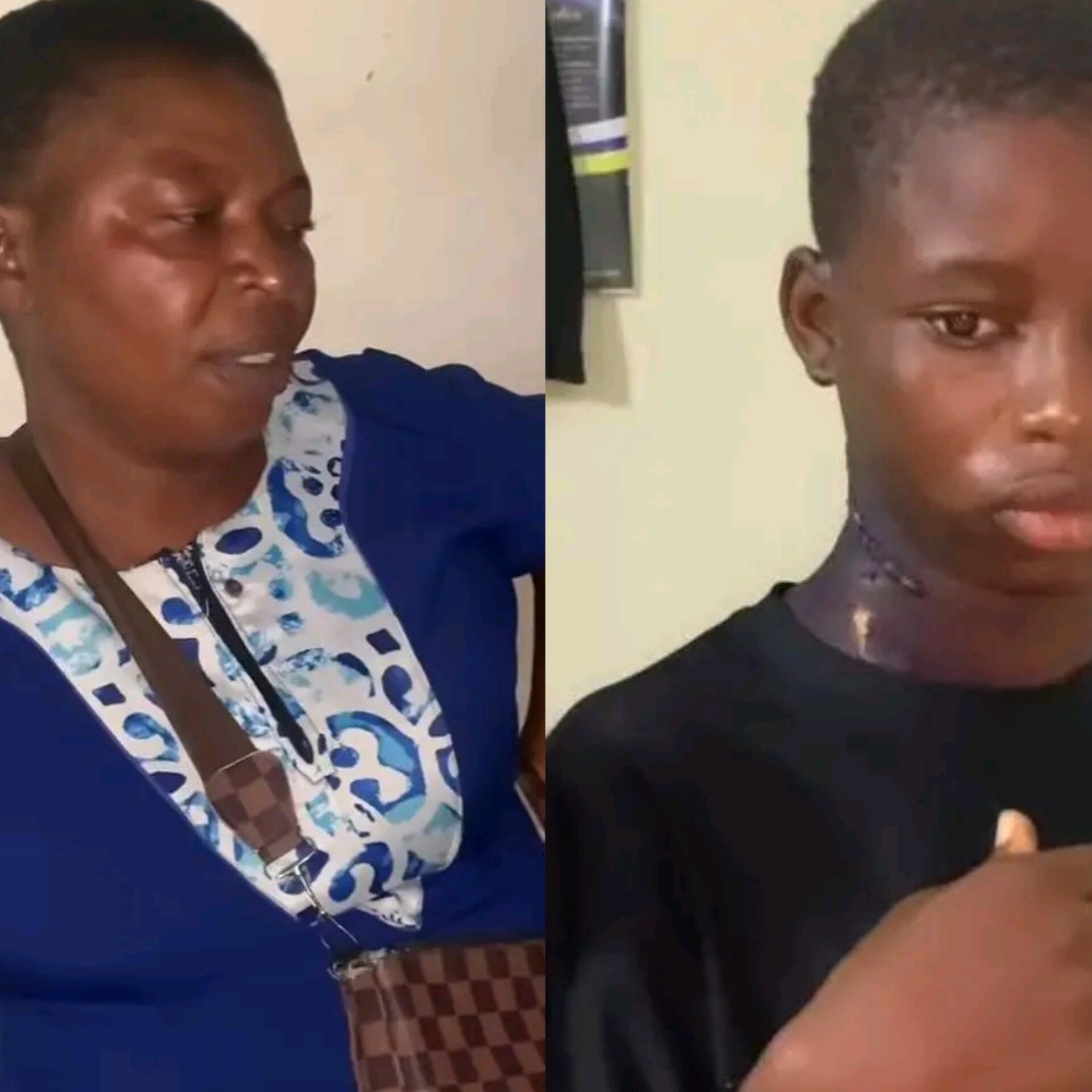

The Lagos State Police Command has confirmed the death of 23-year-old Faith Ajoke Alayande, a student of the Nigerian Law School, Lagos Campus, in Victoria Island. She was found unresponsive within the hostel premises in the early hours of Friday, August 7, 2026.
According to the police, the Chief Matron of the Law School, Mrs Igbokwe Juliana, reported the incident to the Victoria Island Police Division at about 6:30am, after a fellow student alerted her at around 4:30am.
The state Police Public Relations Officer, Abimbola Adebisi, said that a note believed to have been written by Alayande was discovered by her hostel mate and a relative, who then began searching for her. Police say preliminary findings indicate the incident happened before she could be located. Investigators have not disclosed the contents of the note, and the circumstances remain under active investigation. Her body has been taken to the Mainland General Hospital Mortuary in Yaba for autopsy.
Police have not yet released any information about what may have led to the incident, and the case remains under investigation.
Not an Isolated Case at the Law School
This is not the first time a Nigerian Law School student has died by suicide in recent memory. In December 2025, a student named Ayomiposi Ojajuni died by suicide after he was allegedly barred from writing the Bar Final examinations at the school’s Yola campus in Adamawa State.
Taken together, the two cases, roughly eight months apart, at different campuses, point to a pattern worth examining: young trainee lawyers, at one of the most demanding and high-stakes stages of legal education in Nigeria, appear to be facing serious personal strain that isn’t always visible to those around them until it is too late.
The Pressures Facing Nigeria’s Trainee Lawyers
Extremely high academic stakes. The Nigerian Law School’s Bar Final examination is a single, high-pressure gatekeeping exam. Students who have already spent years and significant money on a law degree can find their entire career trajectory hinging on this one set of results.
Financial strain. Law School fees, accommodation, and related costs are a major burden for many Nigerian families, adding pressure on students to succeed the first time and not risk having to repeat a term or year.
Limited visible mental health infrastructure. Nigerian tertiary institutions, including professional schools like the Law School, are often under-resourced when it comes to accessible, confidential counselling services that students feel comfortable using without stigma.
Isolation from usual support systems. Law School students are often housed away from their home cities and immediate family, in hostel environments where personal struggles may not be noticed by people who know them well enough to intervene.
The effects of cases like this extend well beyond the individual involved.
For fellow students, a death like this inside a hostel can be deeply traumatic for those who live nearby, especially a roommate or hostel mate who may carry guilt or distress long after the incident.
For families, the loss of a young person on the verge of completing a demanding professional qualification compounds grief with unanswered questions about what could have been done differently.
For the legal education system, repeated incidents like this raise pressing questions about whether Nigeria’s professional training institutions are adequately equipped to support students’ mental wellbeing alongside their academic performance.
What Could Help Going Forward
Confidential, accessible counselling on campus. Law School campuses could benefit from visible, stigma-free mental health support that students can access without it affecting their academic standing.
Peer support structures. Trained peer-support systems within hostels could help identify students who are struggling before a crisis point is reached.
Clearer support pathways around exam-related setbacks. Given the Yola case, institutions could examine how academic setbacks, like exam disqualification, are communicated and whether adequate support is offered alongside such decisions.
Regular wellbeing check-ins. Structured, non-intrusive check-ins, especially around high-stress periods like exams, could help hostel staff and administrators notice early warning signs.
Family and community involvement. Encouraging students to stay connected with support networks outside the hostel, even during intense study periods, can reduce the isolation that often accompanies severe personal distress.
Our Honest Assessment
Two law school students dying this way within the same academic year is not something to treat as coincidence. It’s a signal. I don’t know what Faith Alayande was going through, and I don’t think it’s my place to guess at it while the investigation is still open. But the pattern itself, high-pressure institution, students far from home, exam stakes that shape entire careers, is one Nigeria’s legal education system needs to take seriously rather than treat each case as unconnected.
Institutions training the next generation of lawyers owe those students more than academic rigor. They owe them a genuine safety net for the moments when the pressure becomes too much to carry alone.
Published by Ejoh Caleb