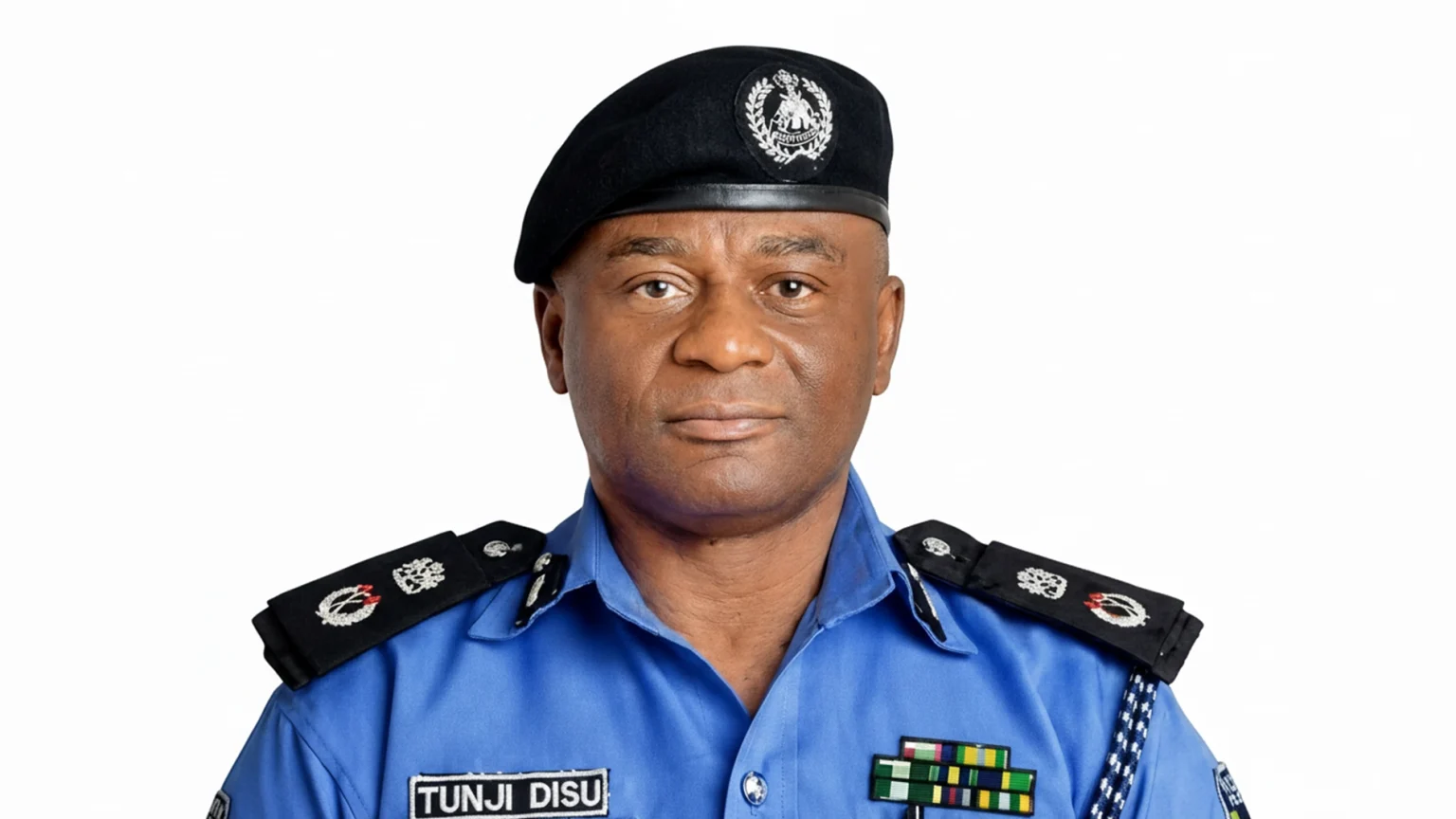
A Nigerian lawyer has called on the Lagos State Commissioner of Police and the Inspector-General of Police, Tunji Disu, to investigate what he describes as the extortion of ₦3.1 million from his client by police officers. According to the lawyer, his client was on his way to the Lagos airport on October 15, 2026, when officers stopped him inside a vehicle and searched his phone but found nothing incriminating. He claims the officers then took the client to a police station in Ikeja, where he was allegedly forced to pay ₦3.1 million under duress and to make a statement. These are the lawyer’s allegations. We found no response from the Lagos State Police Command, and we do not know why the officers stopped the man or what they say happened.
Lagos Residents Have Made Similar Claims Despite Orders From the Top: Past Cases and Police Responses (Earlier Extortion Complaints)
The allegation comes against a background of complaints that senior police officers have publicly said they oppose. The Guardian reported that residents recounted ordeals of alleged police extortion in Lagos despite directives by the IGP and the Lagos Commissioner of Police against unlawful searches, extortion and other misconduct. One studio manager said officers stopped him on August 3, asked him to unlock his phone and told him to make transfers to their account or be driven to Ikeja. A Lagos police spokesperson urged residents to report such incidents to the command.
Some complaints have drawn quick action. On October 5, the Lagos State Police Command said it had begun an investigation after a dispatch rider released a video showing police officers from the Makinde Divisional Headquarters allegedly collecting ₦20,000 from him, and identified the officers as personnel of that division. A week later, a young woman accused police officers in Victoria Island of handcuffing her and collecting over ₦300,000. As of October 15, reports said there had been no official response.
Other states show the same pattern. In Anambra, police arrested and detained six senior officers who allegedly tortured a trader in Onitsha and extorted ₦200,000. In February, three officers were dismissed over alleged kidnapping, extortion of ₦1.7 million and car snatching in Imo. In August 2024, police operatives in Bayelsa allegedly took ₦3 million from a man at gunpoint, were arrested after he petitioned police authorities, and returned the money about three weeks later.
Lawyers have also been drawn in. In Gombe, the Nigerian Bar Association petitioned the IGP over allegations of extortion against an Assistant Inspector-General, and the AIG denied them, saying the lawyer had been told of the conditions for bail and that a police auditor was later offered as a surety. That dispute shows that officers often have a different account, and it has not been resolved.
How a Roadside Stop Can Become a Payment Demand: Possible Causes Behind Allegations Like This (Causes)
We do not know what happened in this case, so we cannot name a cause. The wider pattern points to several risk factors. One is the phone search. In the Lagos accounts, officers reportedly demanded that drivers unlock their phones, and then suggested that payment could avoid a trip to the station. A phone holds personal and financial information, so a search gives officers leverage.
Another is fear of detention. A person told that he will be taken to a station, as the Lagos accounts describe, may agree to pay just to avoid a night in custody. The lawyer’s account says his client paid under duress.
A third is weak accountability. An activist wrote that cases of police brutality, extortion and extrajudicial killings have continued despite sanctions such as dismissal. When officers believe complaints will go nowhere, the abuse is more likely to continue.
We must also note the other side. Police are tasked with stopping crime, including fraud and cybercrime, and stop-and-search can be a lawful tool when done properly. We do not know the reason for this stop. That is why an open inquiry is needed.
A Stolen Sum, a Stolen Sense of Safety and Damaged Trust: Effects on Citizens, Lawyers and the Police Itself (Consequences)
The first effect is on the individual. ₦3.1 million is a large sum, and the client reportedly lost it while heading to an airport, which may have disrupted travel plans. Being made to sign a statement under pressure could also create legal problems later, and a court may have to consider how it was obtained.
The second effect is on the legal profession. When a lawyer publicly accuses the police, it shows that even professionals who know their rights feel they must go public to get attention. The Gombe branch of the Bar said allegations like these undermine public confidence in the whole criminal justice system.
The third effect is on the police. Honest officers suffer when the force is seen as corrupt, and directives from the top lose force if residents keep reporting the same abuse.
For the country, extortion at checkpoints and stations raises the cost of daily life, discourages trust in the law, and can damage how Nigeria is seen by travellers. A traveller stopped on the road to the airport is a visible example.
Ways to Test the Claim and Reduce Abuse: Practical Steps for the Police, Lawyers and Travellers (Possible Solutions)
First, a proper investigation. The Commissioner of Police and the IGP could assign investigators who are outside the Ikeja command to examine the lawyer’s petition, trace the payment through bank records, identify the officers involved and hear their account. The police should also tell the public what they find, as the Lagos command did within days in the dispatch rider case. If the money was taken unlawfully, it should be returned and the officers disciplined, as happened in the Bayelsa case.
Second, written rules and body cameras. The IGP and the Lagos Commissioner have issued directives against unlawful searches. Making sure every officer knows them, and equipping teams with body cameras, would make it easier to verify what happens at a stop. This is our suggestion.
Third, advice for citizens. If stopped, stay calm, ask the officers’ names and units, and note the vehicle number. Avoid unlocking your phone or making transfers if you can. Keep records, including bank details of any payment, and contact a lawyer at once. The Police Complaint Response Unit has been tagged and used by citizens to report allegations. Complaints can also go to the state command. We offer this as general guidance, and anyone facing such a situation should seek professional legal advice.
Fourth, professional bodies. The Bar can support members and their clients with documentation and by pressing for investigations, as the Gombe branch did.
Rules That Exist Only on Paper Do Not Protect Anyone: Our Closing Reflection (Accountability, Fairness and Trust)
We have not heard the officers’ account, and an allegation is not proof. The police deserve a fair chance to respond, and there may be an explanation for the stop that the lawyer’s petition does not give.
But the complaint deserves a serious answer. Residents have told reporters of similar experiences, and the IGP and the Lagos Commissioner have said they oppose such behaviour. The test of those words is what happens next. A quick, transparent investigation would show that a lawyer’s petition can move the system, and would help every citizen who cannot afford a lawyer.
We urge the Lagos State Police Command and the IGP to investigate and publish their findings, and we urge Nigerians to document and report any demand for money. We will update this story when the police respond.
Published by Ejoh Caleb