By Ejoh Caleb | Visiotalks
Published: November 28, 2026
Key Takeaways
- The Akure Zone of the Academic Staff Union of Universities (ASUU) threatened “decisive” industrial action at a press conference at Obafemi Awolowo University, Ile-Ife, on Friday, November 27, 2026.
- The union says 7½ months of salaries were withheld after the 2022 strike, and only four months have been paid.
- ASUU’s national leadership made a similar demand after its NEC meeting on November 13–14. No strike date has been set.
- Reports say the government has resisted paying the balance in full. We found no official response to the zone’s statement.
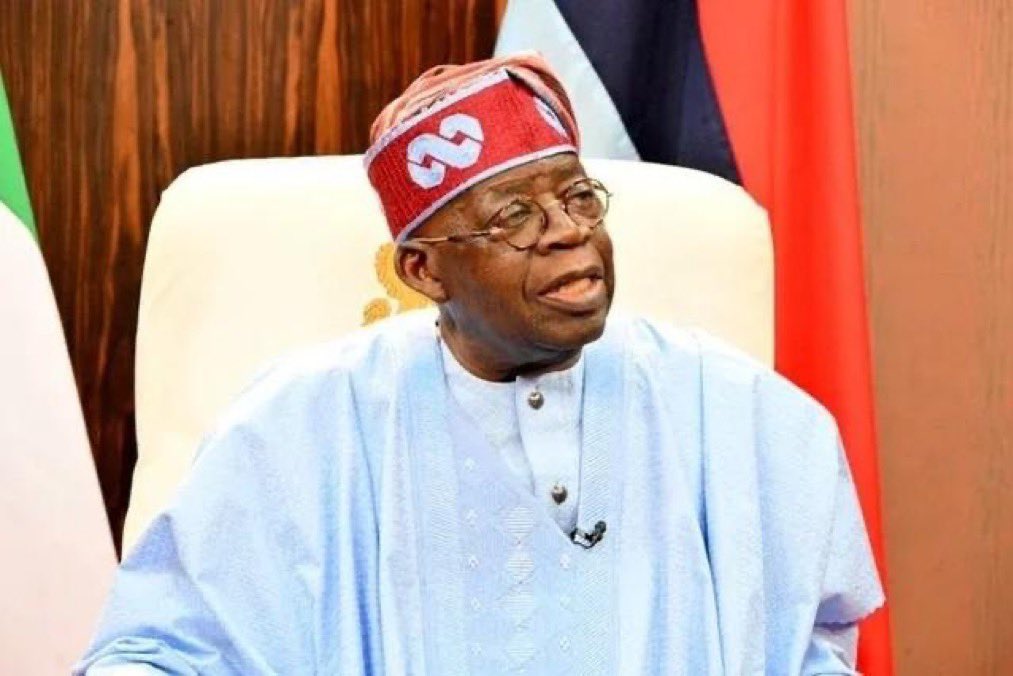
The Akure Zone of the Academic Staff Union of Universities (ASUU) has threatened fresh industrial action over three and a half months of salaries the union says were withheld after its 2022 nationwide strike. The zone made the threat at a press conference at Obafemi Awolowo University, Ile-Ife, on Friday, November 27, 2026. It accused President Bola Tinubu of betraying Nigerian academics. No strike date has been announced.
What the Akure Zone Said, and Who Signed Its Statement
The statement was read by the Zonal Coordinator, Adeola Egbedokun. It was co-signed by branch chairmen from the Obafemi Awolowo University, the Federal University of Technology, Akure, Ekiti State University and the Federal University, Oye-Ekiti, among others. The zone says only four of the 7½ months of salaries withheld during the 2022 strike have been paid, more than three years after the administration took office.
It recalled that Mr Tinubu, before the 2023 election, endorsed the principle of clemency and promised to prevent more crises in the university system. It warned that its patience and its commitment to dialogue should not be mistaken for weakness. These are the union’s claims. We have not seen a document in which Mr Tinubu made the clemency promise.
The National Union’s Position and the Government’s Reported Stand
The zone’s statement follows a national one. After a National Executive Council meeting at the University of Abuja on November 13 and 14, ASUU President Prof. Chris Piwuna urged Mr Tinubu to pay the remaining months immediately. He said the Chief of Staff, Femi Gbajabiamila, had told the union that the government was not ready to pay the balance in full, and that Education Minister Tunji Alausa held the same position. He added that requests to meet the President had been refused. Another report said ASUU had begun mobilising its branches for a possible indefinite nationwide strike.
The government’s side is less visible. One outlet noted that neither the Presidency nor the Federal Ministry of Education had publicly responded by Friday evening. In October 2025, the ministers said the “No Work, No Pay” policy remains an extant labour law and that the government would be guided by it if academic activities were disrupted. We have not found a fresh statement on the 3½ months.
The Long Road From the 2022 Strike to Today’s Arrears Dispute
The dispute dates to the 2022 strike. ASUU says the strike was caused by the government’s failure to renegotiate and properly implement the 2009 agreement. The Buhari administration then applied “No Work, No Pay” (the rule that staff are not paid for days they did not work) and withheld salaries for the strike period. New Telegraph reports that after taking office, Mr Tinubu approved a partial waiver in October 2023, releasing four months’ pay. That outlet counts eight months withheld, while ASUU says 7½.
Related disputes followed. In 2024, university non-academic unions went on strike over four months of withheld pay and an unmet agreement. In October 2025, ASUU began a two-week warning strike and said it was still owed 3½ months from 2022, along with other issues. A new agreement followed in January 2026, but in September 2026 the union threatened to resume its suspended strike over partial implementation.
Principle, Precedent and Politics: Forces Keeping the Dispute Alive
Two principles collide. The union argues that withholding pay after a strike is punishment, and that lecturers gave up leave to clear backlogs so students could graduate on time. The government has said that “No Work, No Pay” is a standing labour rule, and that it applies when work stops.
Precedent matters too. Paying the balance could encourage other unions to demand similar payments, while refusing may keep the dispute alive. Timing adds pressure. The country is heading into the 2027 election season, and the union’s statements invoke Mr Tinubu’s pre-election promises. We take no position on motives.
The National Cost of Another Possible Shutdown for Students and Universities
If a strike happens, students would bear the cost first. Classes stop, exams are delayed and graduation dates move. Students from poor families, who cannot afford private options, are hit hardest. Universities also lose momentum, and some staff may take their skills elsewhere.
The country also loses. A stable academic calendar supports research, graduates and the workforce. Repeated strikes, as in 2022, 2025 and again threatened now, can damage public confidence in public universities. ASUU itself warned that unpaid arrears could snowball into a wider crisis.
A Labour Rule Applied Strictly Against a Claim of Unfair Punishment: Weighing Both Sides
The union’s case has force. Lecturers lost half their pay for months, and they say the delay of more than three years is itself unfair. Their families bore the cost. ASUU also points out that when the government withheld money due to its members, they did not declare “No Pay, No Work”.
The government’s case has force as well. A rule that staff are not paid when they do not work applies to many workers, and if it is waived for one group, others may expect the same. Public money is limited, and officials must balance many demands. We have not heard the government’s current reasons in detail, and we cannot judge them.
Students stand between the two sides. They did not cause the dispute, but they carry the risk. A solution that respects both law and fairness would serve them best.
Visiotalks Analysis: Five Questions That Will Decide How This Ends
- What is the exact figure? ASUU says 7½ months were withheld and four paid. One outlet says eight. An agreed figure would help.
- Is a further waiver possible? Mr Tinubu approved a partial waiver in 2023. Whether he will approve more is the central question.
- Will the President meet the union? ASUU says its requests have been refused.
- What will the national union do? The Akure Zone’s threat is one zone. A national strike would need a decision by the NEC.
- What will the government say? At the time of writing, we found no official reply.
Here is the sequence of events as reported:
- 2022: ASUU strikes over the 2009 agreement, and salaries are withheld.
- October 2023: A partial waiver releases four months’ pay.
- October 2025: ASUU holds a two-week warning strike.
- January 2026: A new agreement is signed.
- September 2026: ASUU threatens to resume its suspended strike.
- November 13–14, 2026: ASUU’s NEC demands payment.
- November 27, 2026: The Akure Zone threatens decisive action.
Frequently Asked Questions
What is ASUU asking for? Payment of the remaining three and a half months of salaries withheld after the 2022 strike.
How much has been paid? ASUU says four of the 7½ months have been paid.
Has a strike been declared? No. The Akure Zone threatened “decisive” action without naming a date.
What is “No Work, No Pay”? A rule that workers are not paid for days they did not work. The government says it is a standing labour law. ASUU says it is being used to punish lecturers.
What has the government said? We found no response to the zone’s statement. ASUU says officials told it the government is not ready to pay in full.
Practical Steps to Settle the Dispute Before a Strike Begins
The Presidency can meet the union and set out its position. The Education Ministry can publish a clear reply on the 3½ months, and the two sides can agree on the figure. Labour mediators or respected elders can help to find a middle path, such as payment in instalments.
ASUU can keep its dialogue open and set out clear conditions before any action. The National Assembly can ask for a briefing. Students and parents can follow the facts and avoid rumours. Both sides can keep the academic calendar in mind.
Patience on Both Sides Is Cheaper Than a Closed Campus
We understand the lecturers’ frustration. Three and a half months of pay is a large sum for any family, and waiting for years is hard.
We also understand that governments must apply labour rules and manage public funds. We have not heard the government’s full answer, and we hope it will give one soon. What we ask is that both sides talk before the campuses close. Students, families and our universities all lose when classrooms go silent. A fair settlement now would cost less than another shutdown, and we hope that is the path both sides will choose.