A man in Warri, Delta State, has raised the alarm after he described how suspected fraudsters tried to take passengers’ phones and valuables on a commercial tricycle, popularly called a keke. He said he had met the same group before and wants others to be on guard.
His account has not been confirmed by police. It is one person’s description of an alleged scheme, but it matches a pattern that the police have warned about before.
The Scheme as He Describes It (A Scam Is a Trick to Take Money or Goods by Deceit)
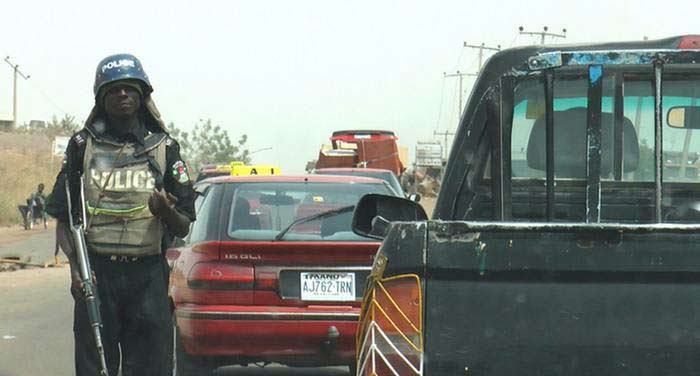
According to the man, an accomplice sits in the tricycle posing as an ordinary passenger. The driver first agrees to take everyone to their destinations. During the trip, they reach a spot where people dressed as police officers seem to be doing a stop-and-search.
The accomplice then pretends to take a phone call, saying his associates have been arrested over phone receipts and are being taken to the station. The driver asks everyone to come down, hand over their phones and belongings for safekeeping, and cross to the other side of the road. If a passenger refuses, the driver allegedly threatens to turn back, claiming the tricycle has no proper papers. Once passengers hand over their items, he speeds off.
We do not know whether the people dressed as police are part of the scheme or simply happen to be nearby. The man’s account does not say. That is one of the questions police would need to answer.
Not a New Danger: Earlier Tricycle Theft Cases in Delta
Delta police have exposed similar tricks. In February 2025, they paraded four suspects of a tricycle theft syndicate and recovered six stolen phones. Some of the suspects posed as passengers and used fake coughing to distract victims while stealing phones, then pushed victims out. One suspect said he worked with a keke rider and had sold stolen phones.
In July 2025, the police Special Assignment Team arrested three suspects linked to a “One Chance” gang in Agbarho and Ughelli. “One Chance” robbers pretend to offer transport, then rob passengers. Sixteen suspected stolen phones were recovered, and the suspects confessed to robbing passengers along routes in Ughelli, Warri and Sapele.
These cases show that criminals in the same area have used passenger-posing accomplices before. Warri police have also warned the public in the past. Police spokesperson Bright Edafe has advised keke passengers to “hold your phones in your hands”, and said that if a male passenger is coughing, you should hold your phone firmly.
Why This Trick Can Work: Fear of Arrest, Pressure and Real Checkpoints (Social Engineering Means Tricking People Into Doing What a Scammer Wants)
The scheme relies on fear. Many people worry that police might arrest or delay them over something as ordinary as a phone receipt. A passenger who sees men dressed as police may not stop to ask questions.
It also relies on a real feature of Nigerian roads. Police do carry out stop-and-search operations. Edafe has defended them as a crime-fighting tool, and he once said that when police stop a tricycle, people should not frustrate them. That means a real checkpoint and a fake one can look alike, which is exactly what a scammer wants.
Finally, the scheme uses group pressure. When a driver and a fellow passenger both tell you to hand over your phone, it can feel normal to follow. A person under stress may not think clearly.
Why a Stop-and-Search Is Not a Reason to Hand Over Your Things: What Real Officers Do and Do Not Do
A genuine search involves an officer examining items in front of the owner. It does not normally involve telling passengers to leave their belongings with a driver and walk across the road. In the Delta case where police stopped a keke, officers searched the rider and found seven phones, and the passengers could not unlock them, which raised suspicion.
We are not giving legal advice, and we cannot say what every officer will do. But the common-sense rule is clear. Never hand your phone to a stranger, including a driver or a co-passenger, to “keep” while you cross a road. If you are unsure, stay close to your belongings and ask to speak to an officer yourself.
The Cost to Victims and the Wider Community: Lost Phones, Lost Money and Lost Trust
A stolen phone often holds more than a handset. It can hold bank apps, contacts, photos and work files. Victims can lose money, time and peace of mind, and some may face the risk of fraud on their accounts.
The wider cost reaches the city and the country. Fear of tricycles can hurt honest riders, many of whom earn a living in a hard economy. Each case also lowers trust in the police, since criminals may pretend to be officers. Reports of robberies on public transport can also discourage visitors and traders from using local transport.
Staying Safe Without Panic: Simple Habits for Passengers and Riders
Passengers can follow the police advice to keep phones in hand where possible, and avoid boarding a tricycle that already has several people inside who seem to be together. They can note the plate number and send it to a friend before they ride. If a ride changes route or the driver asks them to leave belongings, they should refuse and leave in a safe place if they can.
Honest tricycle riders and unions can help by reporting suspicious drivers and by marking registered vehicles. The police can publish clear guidance on how genuine stop-and-search operations work, and give the public a number to verify or report suspicious checkpoints. People who see a possible scam can report it to the Delta police.
A Warning Worth Passing On: Our Reading of One Man’s Alert
We thank the man who chose to share his experience. Public warnings can protect others, and this one may help many people think twice before handing over a phone.
We cannot confirm every detail of his account, and we do not accuse any particular driver or officer. We urge the Delta police to look into the claim, say whether the “checkpoint” was real or staged, and publish what they find.
Meanwhile, we ask readers to remember one simple rule. Your phone and your valuables stay with you. No one, whatever uniform or story they use, should ask you to leave them behind and walk away.
Published by Ejoh Caleb