
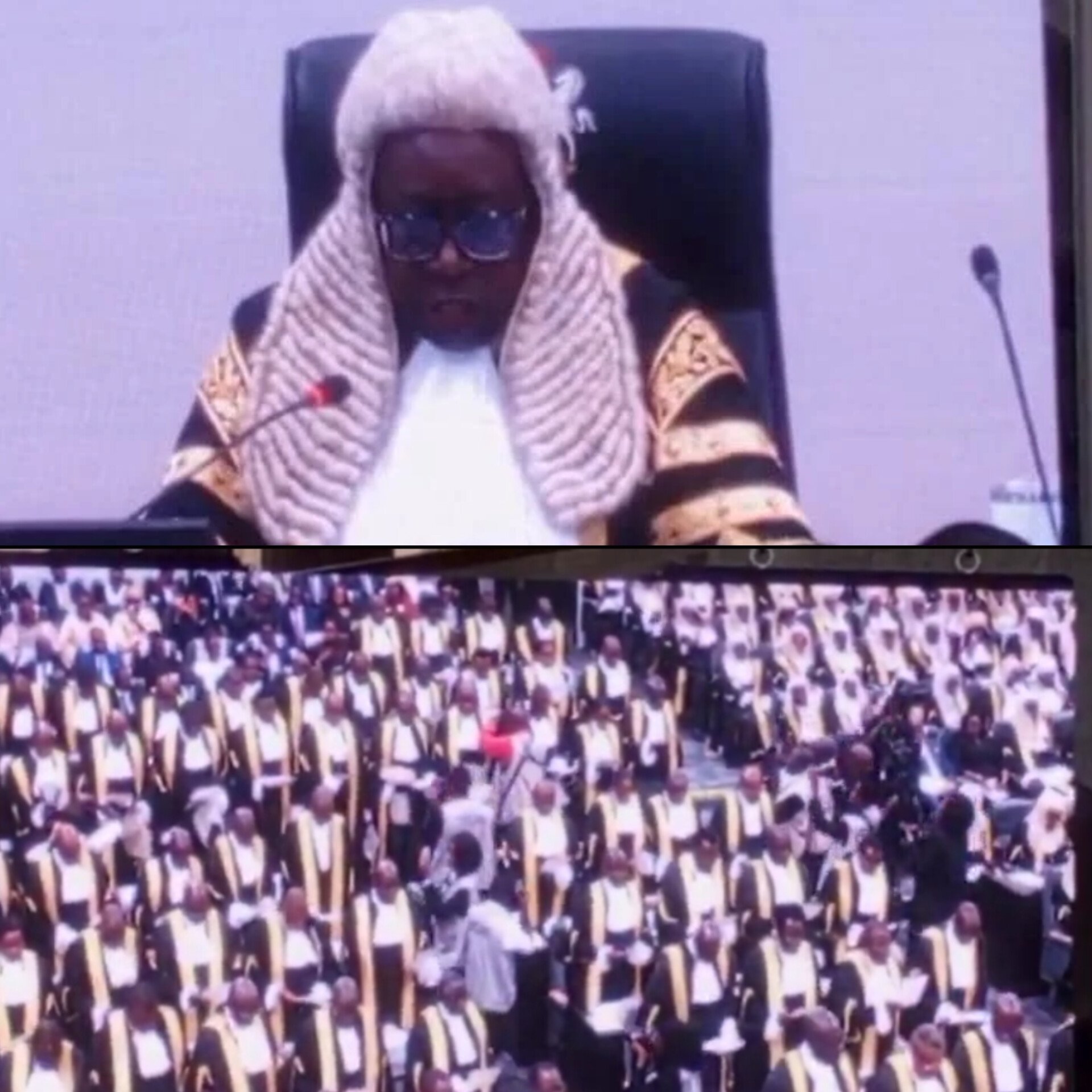
Chief Justice of Nigeria (CJN) Justice Kudirat Kekere-Ekun has sworn in 68 legal practitioners as Senior Advocates of Nigeria (SANs) at the 2026/2027 Legal Year ceremony. The Legal Year is the formal start of the courts’ working year. The ceremony took place on Monday, October 12, 2026, at the Supreme Court Complex in Abuja. The rank is among the highest professional honours a Nigerian lawyer can receive. It recognises exceptional skill in courtroom advocacy, or major contributions to legal scholarship.
The Legal Practitioners’ Privileges Committee (LPPC) approved the 68 at its 174th plenary session on July 23, 2026, after considering 89 nominees whose names were released in June. The new SANs are 67 practising advocates and one academic, Prof. Nnamdi Onyeka Obiaraeri, who was recognised for his contribution to legal scholarship. Before the swearing-in, they completed a mandatory induction programme organised by the Body of Senior Advocates of Nigeria (BOSAN).
A Rank That Has Grown Fast and Drawn Criticism: Past Cases of Large Conferments (Earlier Senior Advocate Exercises)
The size of this year’s class has to be seen against history. In a 2020 letter, BOSAN noted that the rank had gone to 545 lawyers over 45 years, an average of 12 to 13 a year. It listed 19 conferments in 2015, 22 in 2016, 29 in 2017, 31 in 2018 and 38 in 2019. Then in 2020, the LPPC listed an unprecedented 72 lawyers, and BOSAN raised a “strong note of concern” about the number. The same report says BOSAN wanted the award suspended.
The worry did not fade. In 2021, three leading senior advocates signed a BOSAN letter asking the LPPC to consider suspending the rank for three years. They argued that 72 was far too many and went against long-standing practice. By 2022, lawyers were also complaining about cost. Applicants were told to pay a non-refundable processing fee of ₦600,000, and critics feared the rank was becoming too expensive for lawyers without connections or money.
Even this year’s process drew comment. Before the 2026 list was approved, a ThisDay commentary noted that the LPPC had shortlisted 89 candidates. It said many lawyers thought the number would fall, but it had risen. Some analysts called for stricter, more transparent selection, and others suggested raising the minimum years after call to the Bar to 15 or 20. These are views from lawyers and commentators, and not a ruling by the committee.
What the Title Is Meant to Do, and Why the Process Matters: The Purpose Behind the Rank (Merit, Trust and Standards)
The SAN rank exists to mark out lawyers whose work sets a standard for others. That purpose depends on trust. If the public and the legal community believe the title is earned on merit, it carries weight. If people think it is handed out too easily or bought, it loses its value.
The process is also a test of fairness. The rank is described as recognising exceptional competence and adherence to the highest professional standards. To make that true, the criteria and the selection must be clear to every applicant. Critics argue that high fees and unclear scoring can shut out talented lawyers who lack money or connections. We have no evidence that any of this year’s 68 did not deserve the rank. The debate is about the system, not these individuals.
How Senior Advocates Shape Justice and Public Trust: Effects on Courts, Clients and the Country (Impact on the Justice System)
Senior advocates often take part in some of the most important cases in the land, so their quality matters. Skilled advocates help judges reach well-reasoned decisions, and strong advocacy can shape how laws are understood for years. When respected lawyers keep high standards, ordinary people and businesses are more likely to trust the courts.
There is also a cost. Senior lawyers are usually expensive, so access to the best advocates can depend on money. If the rank multiplies without improving access, it may widen the gap between those who can afford top counsel and those who cannot.
For the country, an independent and credible Bar is part of a healthy democracy. A leader of the Bar once argued that senior lawyers should devote more effort to law reform that improves daily practice and the running of the justice system. That idea points to what the public may hope for in return for the honour.
The committee also reminded the new SANs to follow its privileges guidelines and the Rules of Professional Conduct, 2023. The rank brings duties along with recognition.
Keeping the Honour Meaningful: Practical Reforms to Consider (Possible Solutions)
First, the LPPC could publish clearer criteria and how candidates are scored, so every applicant understands the standard. Second, it could review fees so that cost does not block capable lawyers. The 2022 concerns about the ₦600,000 fee show why this matters.
Third, the committee could look again at the minimum years of practice. Some commentators have suggested 15 or 20 years after call to the Bar. Others will argue that exceptional lawyers may deserve the rank sooner, so the debate needs open discussion.
Fourth, new SANs could be encouraged to give back, through mentoring young lawyers, pro bono (free) work for people who cannot pay, and involvement in law reform. BOSAN’s induction programme is a natural place to build such habits.
Honour Is Earned Twice: First by the Rank, Then by What Follows (Our Closing Reflection)
We congratulate the 68 lawyers and the academic who have been elevated. The rank reflects years of work, and it is right to celebrate it.
We also believe the honour should be defended. The warnings from BOSAN and from lawyers over the years show that the value of a title depends on how carefully it is given. A rank that is rare and clearly earned inspires trust. A rank that appears too common or too costly invites doubt.
We urge the LPPC and the CJN to continue the conversation about standards in the open, and we urge the new Senior Advocates to use their position for the public good. Nigerians will judge the title not only by the ceremony but by the quality of justice they see afterward. We will keep following the story.
Published by Ejoh Caleb