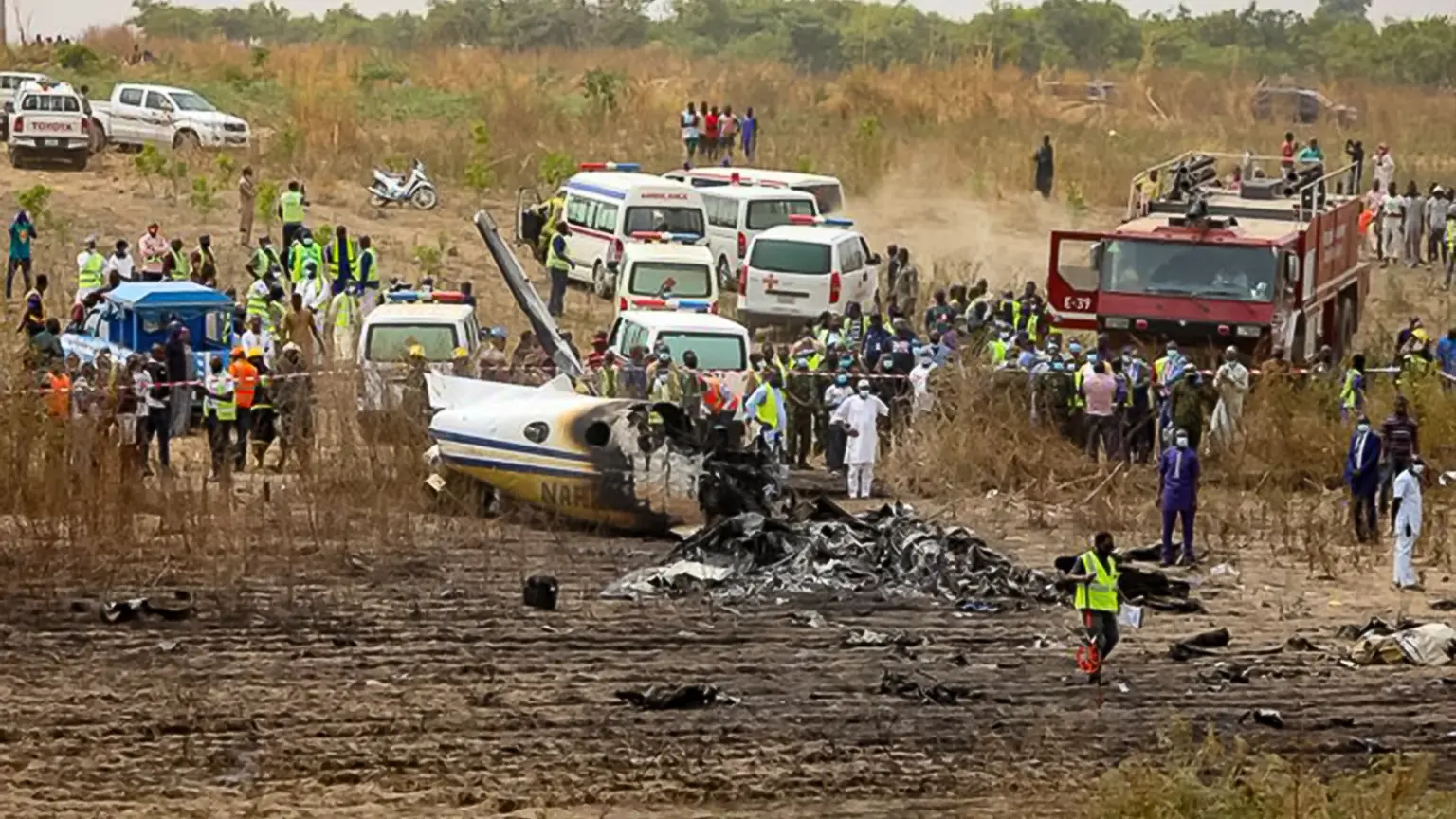
A Nigerian Air Force (NAF) ATR-42 aircraft crashed near the Naval Base in Igbokoda, headquarters of Ilaje Local Government Area, Ondo State, on Monday, October 5, 2026. It was on a routine flight from Benin City to Lagos. An ATR-42 is a twin-engine propeller aircraft. Early reports and a resident’s account described the aircraft as a helicopter, but the NAF later clarified that it was an ATR-42.
What officials have confirmed (the facts so far)
The Aviation Minister, Festus Keyamo, said air traffic controllers alerted him at about 9:13 a.m. after they lost contact with the aircraft. He said preliminary information showed 25 passengers and seven crew on board, making 32 in all. The aircraft has the tail number NGR 931. The NAF’s Director of Public Relations and Information, Air Commodore Ehimen Ejodame, said a search and rescue operation began immediately.
Ondo State Governor Lucky Aiyedatiwa said no survivor had been found at the crash site as of Monday evening. He also ordered emergency and security agencies to support the NAF, to cordon off the site and to keep unauthorised people away.
What is reported but not officially confirmed (the casualty figures)
SaharaReporters, citing sources, reported that all 32 people on board are believed to have died. We did not find a full official casualty list. President Bola Tinubu has declared three days of national mourning and said the NAF will release the victims’ names after contacting their families. We do not know who the 25 passengers were, whether they were military or civilian, or what the cause of the crash was. No cause should be assumed.
The nation’s response (mourning and an investigation)
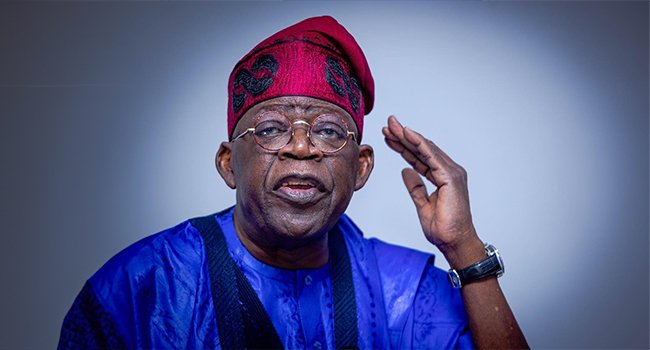
In a statement, Tinubu offered condolences to the families of the 25 passengers and seven crew, to the Chief of the Air Staff, Air Marshal Sunday Kelvin Aneke, and to the whole Air Force. He ordered a thorough investigation to prevent a repeat. Keyamo noted that the Ministry of Aviation and the Nigerian Civil Aviation Authority (NCAA) do not regulate military aircraft operations.
Opposition figure Omoyele Sowore, the African Action Congress presidential candidate, called for a thorough investigation with a special focus on the country’s emergency-response capacity.
A record that worries the public (past military air crashes and what followed)
This is not the first deadly military air crash in Nigeria. On February 21, 2021, an NAF Beechcraft King Air 350i crashed while trying to return to Abuja airport after reporting engine failure, killing all seven people on board.
On May 21, 2021, another King Air 350i crashed near Kaduna airport, killing all 11 on board, including the then Chief of Army Staff, Lt. Gen. Ibrahim Attahiru. The Accident Investigation Bureau (AIB), the civil agency that investigates air accidents, said it helped because the NAF invited it. The bureau added that whether the NAF made its findings public was not the bureau’s decision. A list of Nigerian crashes says the cause could not be pinpointed because critical evidence was lost. It says contributing factors included technical defects linked to poor maintenance and the pilot’s performance. We could not confirm this against the original report.
A review by the ICIR counted 14 military air crashes between 2015 and 2023, with 35 lives lost. Other counts differ slightly, so the exact numbers should be treated with care. The pattern raises a question that the public will keep asking: what changed after each earlier investigation?
Questions that investigators will need to answer (possible causes)
It is too early to say what went wrong. Investigators usually look at the aircraft’s condition and maintenance records, the crew’s training and flight history, the weather and the communications between the pilots and controllers. The flight and voice recorders, often called black boxes, are central to this work. The crash site is described as a swampy, riverine area, which could make recovery of wreckage and bodies harder. We do not know whether any of these factors played a part.
Loss for families and a test for oversight (effects)
The first effect is on 32 families who are waiting for confirmation and for the names of their loved ones. The loss also hits the Air Force, whose personnel work in some of the country’s most dangerous operations.
For the nation, the crash raises questions about the safety of military aircraft that carry passengers, and about how the findings of military investigations are shared. Because civil aviation authorities do not regulate military flights, the public depends on the military’s own investigation. How open that process is will shape how much the public trusts the results.
What a credible response would look like (possible solutions)
The NAF should release the names of all those on board as soon as families have been informed, and should provide support to the families. The investigation should be thorough and quick, with the help of the AIB and technical experts from the manufacturer if needed, as was done in 2021. The findings and recommendations should be made public, so that lessons are shared.
The government can also review the maintenance and safety record of military transport aircraft, and set clear rules on when and how passengers may fly on them. Ondo State and federal agencies can strengthen emergency response in riverine communities like Igbokoda, where reaching a crash site is difficult.
A moment to mourn, and a duty to learn (our view)
We offer our condolences to the families and colleagues of all those on board, and to the Nigerian Air Force. Behind the number 32 are people with families, jobs and plans, and they deserve to be named and honoured.
At the same time, we believe mourning must be followed by answers. Nigeria has seen too many military air crashes, and each time the public has been told that an investigation will follow. What families and citizens most need now is a clear account of what happened, and proof that lessons from earlier crashes were acted on. We hope the Air Force and the government will provide that, openly and without delay.
Published by Ejoh Caleb