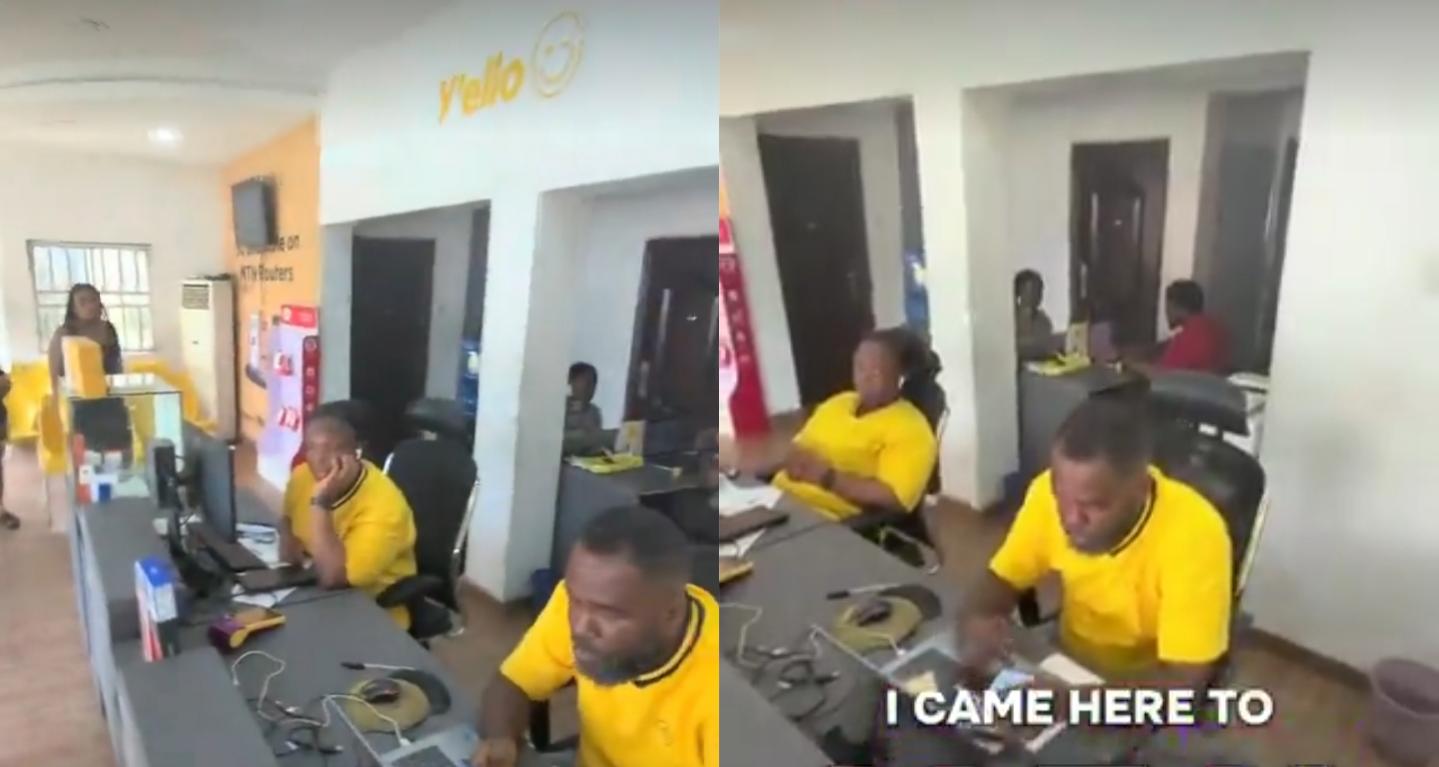
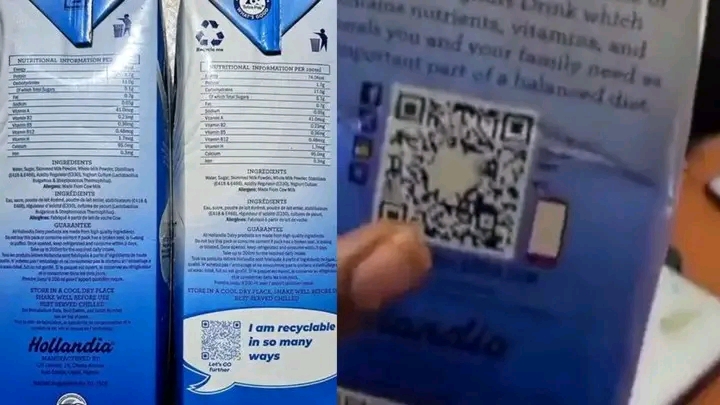
A video making the rounds online appears to show people producing counterfeit Hollandia yoghurt, a discovery that, while shocking to many who saw it, lines up with warnings Nigeria’s drug and food regulator has already been sounding for over a year.
The Footage in Question
The video shows what is described as people making fake Hollandia yoghurt. The exact location of the operation shown in the clip, and whether those involved have been identified or arrested, have not been independently confirmed beyond what is in the video itself.
A Brand NAFDAC Has Already Flagged Repeatedly
Hollandia Yoghurt is not new to Nigeria’s counterfeit product conversation. In January 2025, the National Agency for Food and Drug Administration and Control (NAFDAC) shut down the notorious Cemetery Market in Aba, Abia State, for the second time in two years, uncovering more than 240 makeshift factories producing counterfeit versions of well-known brands, including Coca-Cola, Fanta, Sprite, Peak Milk, and Hollandia Yoghurt, using contaminated water, harmful chemicals, and recycled bottles. NAFDAC Director-General Prof. Mojisola Adeyeye said the same operation also uncovered three separate warehouses stockpiling expired Hollandia Yoghurt intended to be revalidated and resold with fresh, misleading expiry dates. The problem has continued into 2026, with a May raid again exposing illegal hubs mass-producing fake Cerelac and Hollandia yoghurt alongside counterfeit spirits, part of what one industry commentary described as a broader fake product epidemic spreading from open markets into more trusted retail spaces.
Part of a Much Bigger Fake Products Problem
Hollandia’s case is just one piece of a counterfeiting crisis that spans almost every category of consumer goods in Nigeria. In January 2026, a viral video showed a trader at Alaba International Market in Lagos manually stamping the LG logo onto more than 3,000 television cartons, ordering deliberately low-quality TVs from Chinese manufacturers before rebranding them locally as genuine LG or Hisense sets; the Standards Organisation of Nigeria (SON) said it had launched an investigation and was working with security operatives and market unions to track down those responsible. LG Electronics Nigeria itself later issued a public warning about the counterfeit TVs, saying the fake units carried real electrical hazards and came with no genuine LG warranty or support. On the oral care side, NAFDAC has repeatedly seized counterfeit toothpaste bearing fake or misleading versions of trusted brand names — including counterfeit Oral-B and adulterated Colgate products confiscated from a market alongside banned foreign spaghetti and unregistered items branded “Crogate” and “Cloguide,” and, separately, a Colgate imitation misspelled “Coglaet” that was pulled from circulation in Kaduna State in 2026. Even Nigeria’s beloved palm oil has not been spared: popular Nigerian doctor and health influencer Chinonso Egemba, known online as Aproko Doctor, raised alarm in a widely shared video over traders mixing carcinogenic dyes into palm oil to make it look more red, and used the video to teach Nigerians simple ways to spot adulterated oil at home.
Why Yoghurt and Dairy Products Are an Easy Target
Counterfeiters target well-known, high-turnover brands like Hollandia because consumer trust in the name does most of the selling for them, while the actual product inside the cup or bottle can be swapped for cheaper, unregulated substitutes with little chance of detection until a health problem occurs. Yoghurt and other dairy products carry an added danger beyond typical counterfeit drinks: because they are meant to be kept cold and consumed relatively quickly, unsafe production, poor refrigeration, or a fake expiry date can allow harmful bacteria to grow, turning a fraud case into a food poisoning risk.
The Damage Counterfeiting Does
For consumers, drinking a counterfeit dairy product carries real health risks, particularly for children, who are among the biggest consumers of yoghurt and were also the target of counterfeiters caught producing fake Cerelac baby food in the same raids. For the country, each new counterfeit case adds to the reputational and financial damage already facing legitimate manufacturers, and increases the burden on an already stretched regulatory system trying to keep unsafe products off Nigerian shelves.
Spotting the Fakes
NAFDAC has consistently urged Nigerians to buy dairy and beverage products from reputable, well-known retailers rather than informal roadside sellers, and to check packaging closely for inconsistent printing, unusual seals, or expiry dates that look tampered with. The agency has also repeatedly asked the public to report suspicious products or production sites directly to the nearest NAFDAC office, rather than simply sharing videos online without following up with a formal report.
Our Take on This One
What’s striking about this video isn’t that it’s shocking on its own, it’s that it confirms something regulators have already told Nigerians repeatedly: Hollandia yoghurt has been a known counterfeit target since at least early 2025. We believe the real test now is whether this video leads to an actual investigation and shutdown, the way past raids have, or whether it simply goes viral and fades, while the operation shown in it keeps running.
Published by Ejoh Caleb