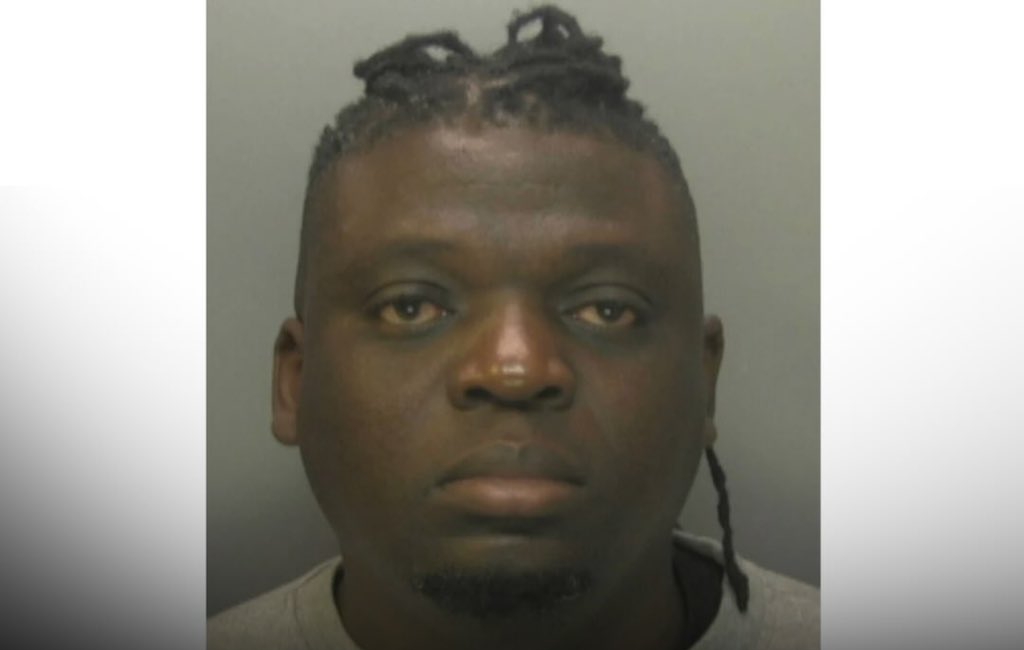
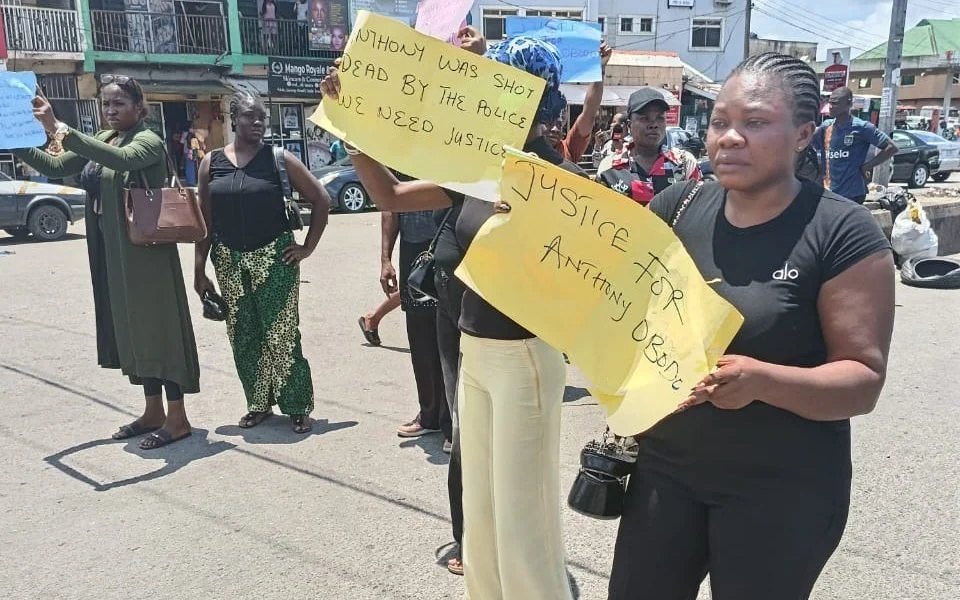
Nigerians are demanding justice after 22-year-old University of Port Harcourt (UNIPORT) graduate Anthony Eruchi Obodo was allegedly shot dead by police officers in Port Harcourt, Rivers State — the latest in a long, painful line of deaths that have put Nigeria’s police force back under public scrutiny.
What the Family and Witnesses Say Happened
Obodo, who was awaiting his National Youth Service Corps (NYSC, the mandatory year of service Nigerian graduates complete after university) call-up letter, was reportedly shot dead by police officers on August 27 at the Agip/Ada-George Junction in Port Harcourt. His family and eyewitnesses allege that officers chased him for more than 30 minutes before shooting at his vehicle and later firing at him at close range. According to eyewitness accounts, police officers had flagged down Obodo’s vehicle, but he did not stop, prompting officers to pursue him before one of them opened fire; three shots were reportedly fired, with one bullet striking Obodo in the back and piercing his chest. A source close to the family said Obodo, fearing he was being chased by armed criminals rather than police, drove toward the busier Agip Junction, where a crowd intervened and rushed him to a nearby hospital, where he was later confirmed dead; the same source alleged that officers subsequently took away his vehicle and body to an undisclosed location. Obodo’s father, Princewill Obodo, has since alleged that the officers involved were paid to kill his son, and said police authorities who visited his residence had confirmed to the family that Anthony was innocent. He also pushed back against reports describing his son as a “Yahoo Boy” (a common Nigerian term for an internet fraudster), insisting Anthony had been using his vehicle for legitimate transport work to save money ahead of his service year.
The Police’s Version of Events
Police gave a different account, saying an altercation occurred before the shooting. The Rivers State Police Command said preliminary findings showed that an altercation and subsequent scuffle occurred between Obodo and the officer, during which a gun was fired, resulting in Obodo’s death and injuries to two other bystanders. The Command identified the officer as Corporal Alfred Louis and said he was subsequently attacked and assaulted by an angry mob, sustaining multiple injuries of his own. The Rivers State Police Command says the officers involved have been detained pending investigation, with the officer and his team taken to the State Criminal Investigation Department to face disciplinary action in accordance with the law, subject to the outcome of that investigation.
Protests Erupt in Port Harcourt
Protests have since erupted, with youths demanding justice. Angry youths stormed the Agip Police Division along the Ada-George axis in Obio-Akpor Local Government Area following the shooting, with protesters demanding a transparent, independent investigation into both Obodo’s death and the injuries suffered by the pedestrians struck by his vehicle after he was shot.
Part of a Painful, Recurring Pattern
This is not an isolated case. In April 2026, an Assistant Superintendent of Police in Effurun, Delta State, was filmed restraining and shooting 28-year-old Mene Ogidi at close range while he was delivering a package, in an incident later formally classified as an extrajudicial killing; the officer, Nuhu Usman, was dismissed from the force and is currently facing prosecution. The Delta case reopened wounds from Nigeria’s 2020 #EndSARS movement, the largest protests the country had seen in a generation, sparked when officers of the Special Anti-Robbery Squad (SARS) shot a young man in Delta State, leading to nationwide demonstrations against police brutality, extortion, and impunity. Despite the unit’s disbandment, rights organisations including Amnesty International and Human Rights Watch have continued to document hundreds of alleged extrajudicial killings by Nigerian police every year, pointing to a persistent gap between official use-of-force guidelines and how officers actually behave in the field.
Why These Encounters Keep Turning Deadly
Analysts and rights advocates point to a mix of factors: police checkpoints and patrols with little independent oversight in the moment, a culture in which officers who kill citizens have historically faced few or no serious repercussions, and a pattern of young Nigerian men being viewed with suspicion by officers based on appearance, vehicle, or presumed wealth. Confusion over whether a vehicle is being stopped by genuine police or criminals impersonating them, as Obodo’s family says happened here, has also featured in other cases, deepening distrust between citizens and the officers meant to protect them.
Two Accounts, One Investigation
The competing versions of events — a prolonged chase ending in gunfire, versus a scuffle during which a weapon discharged — sit at the heart of why an independent, transparent investigation matters so much here. Obodo’s family and supporters argue that eyewitness accounts and the pattern of officers allegedly removing the vehicle and body point toward a cover-up attempt; the police command, for its part, has moved unusually quickly to detain the officer involved, which some observers see as an early sign of accountability, while others say detention alone has rarely translated into full transparency or lasting consequences in similar past cases.
The Cost, Beyond One Family’s Grief
For Obodo’s family, the loss is immediate and irreversible — a son who had completed his degree and was working legitimately to prepare for national service, now gone. For the two pedestrians struck when his vehicle lost control after he was shot, the injuries add another layer of harm to an already devastating incident. Nationally, each case like this deepens the trust deficit between Nigerian youth and law enforcement, a wound that #EndSARS exposed but never fully healed, and raises fresh questions about how much has genuinely changed in police conduct and oversight in the years since.
What Justice Could Look Like Here
Rights advocates are calling for the investigation into Obodo’s death to be independent of the police force itself, given the inherent conflict of interest in police investigating their own officers. Many are also renewing longstanding calls for consistent, transparent prosecutions in police brutality cases, arguing that real deterrence only comes when officers understand that detention will be followed by full accountability, not quiet resolution once public attention moves on. Better training on use-of-force protocols, and clearer public information campaigns to help citizens distinguish genuine police stops from impersonation, have also been suggested as ways to reduce the kind of fatal confusion described in this case.
A Question Nigeria Keeps Being Forced to Ask
A young man who had just finished university, waiting for the chance to serve his country through NYSC, is dead — and once again, Nigerians are left with two conflicting stories and a grieving family demanding answers. We believe the Rivers State Police Command’s decision to detain the officers involved is a necessary first step, but nowhere near a final one. Real justice here means a transparent investigation whose findings the public can actually trust, not just another case that fades from headlines once the protests quiet down.
Published by Ejoh Caleb