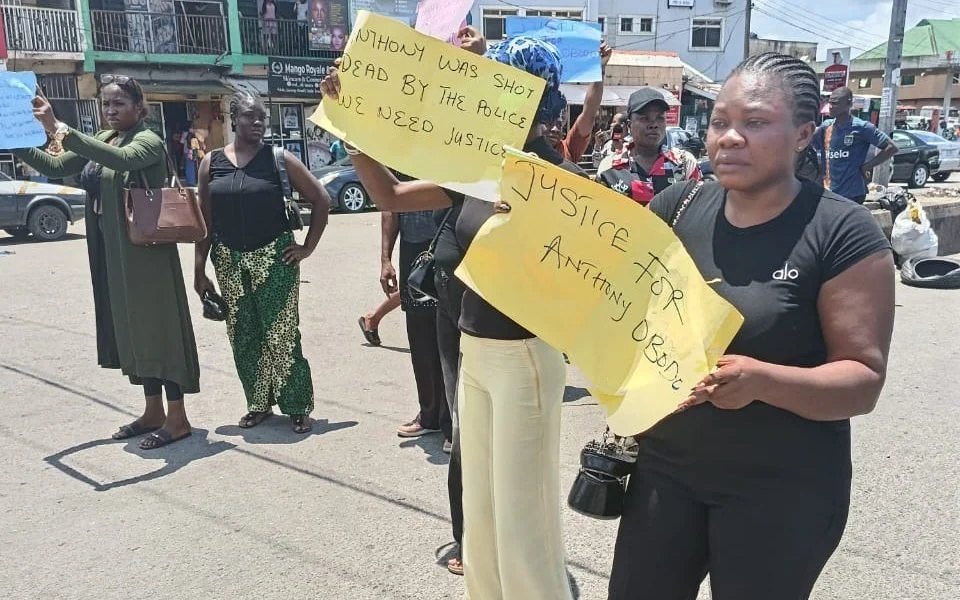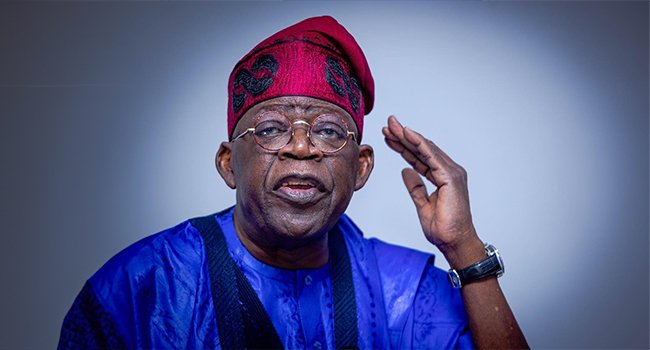
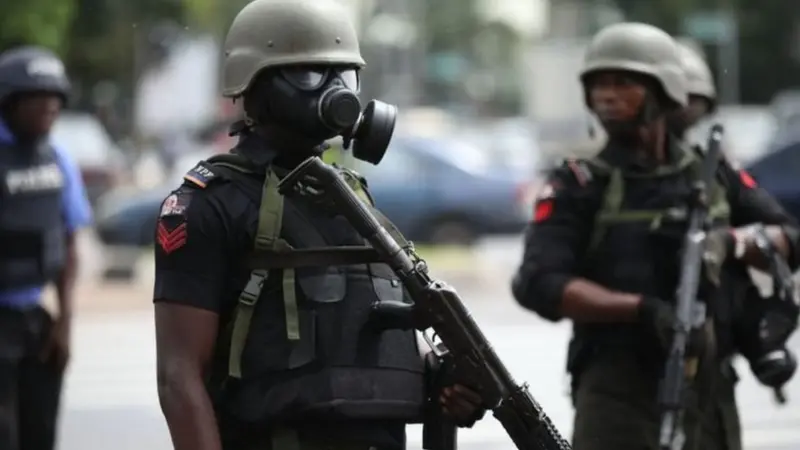
There was pandemonium at the River Niger Head Bridge in Onitsha, Anambra State, on Wednesday after police operatives shot two traders at the Ogbo-Ogwu Bridge Head Market, sparking a protest that shut down traffic along the Onitsha-Asaba Expressway for hours. Videos of the incident showed angry traders burning tyres and lamenting the shooting of their colleagues, while soldiers were eventually drawn in to help restore calm as tensions rose.
How the Shooting Happened
Witnesses told journalists that the incident began when police operatives approached traders at the market to arrest them, and the traders resisted. One of the victims, an apprentice at the Ogbo-Ogwu Bridge Market, was said to have been approached by officers while carrying cartons of pharmaceutical products to a vehicle, intending to waybill the goods to a customer, when the confrontation began.
Some accounts allege the shooting followed a dispute over an attempted ₦5,000 bribe demand, with the trader pushing pharmaceutical products in a wheelbarrow toward a motor park to waybill them when the confrontation turned violent. Rights lawyer Ifeanyi Ejiofor, a former counsel for the Indigenous People of Biafra (IPOB), said accounts he reviewed indicated a trader leaving the market with a carton of goods was pursued by policemen and shot at close range after reportedly failing to stop. The policeman said to have fired the shots reportedly fled the scene immediately afterward.
The two victims sustained gunshot injuries to their legs and hands and are currently receiving hospital treatment. Anambra State Commissioner of Police, CP Nnanna Oji Ama, visited the scene and later the hospital, where he addressed aggrieved traders, pledged to personally cover the victims’ medical expenses, and ordered a “thorough and impartial investigation” into the circumstances that led to the officers discharging their firearms. The Anambra Police Command has since summoned the Area Commander and all Divisional Police Officers serving in Onitsha for a supervisory review of the incident.
Ejiofor, the rights lawyer, went further in his public statement, alleging that police personnel routinely harass traders at the pharmaceutical market, making arrests and demanding money from them, and calling on the Inspector-General of Police, Olatunji Disu, to identify and hold accountable every officer who discharged a firearm during the incident.
Nigeria Has Seen This Story Before — With a Fatal Ending
The circumstances of Wednesday’s shooting closely mirror a case from earlier this year that ended in death. On April 26, 2026, in Effurun, Delta State, 28-year-old Mene Ogidi was fatally shot while attempting to waybill a parcel at a motor park. The parcel, sent to him by a friend, was searched by members of the public and found to contain a locally fabricated pistol and ammunition; bystanders carried out a citizen’s arrest and handed him over to police. Rather than following standard procedure, the responding officer, Assistant Superintendent of Police (ASP) Nuhu Usman, had Ogidi restrained and tied to the ground, then shot him at point-blank range while he pleaded for his life and offered to lead police to where he had picked up the package.
A video of that killing surfaced two days later, sparking national outrage. The Inspector-General of Police ordered an internal investigation, and Usman was arrested and dismissed from the force along with three other officers, with the police force describing the killing as unlawful and a breach of professional standards. Both cases follow an almost identical script: a young trader stopped while waybilling a package at a motor park, a confrontation with police, and a shooting that could easily have been avoided had standard arrest procedure been followed.
Why These Confrontations Keep Happening, and What They Cost
Motor parks and markets like Ogbo-Ogwu, where goods are routinely waybilled to other cities, are also places where police stop-and-search operations are common — creating repeated opportunities for disputes over bribes, resistance to arrest, or simple miscommunication to escalate quickly, especially when officers carry firearms into encounters with unarmed civilians. Ejiofor’s allegation that officers routinely target traders at this specific market for arrest and “settlement” suggests Wednesday’s shooting was not an isolated flashpoint but the outcome of a tension that has been building for some time.
The immediate cost fell on the two injured traders and their families, now facing recovery from gunshot wounds inflicted by the same officers meant to protect them. But the wider cost is economic and civic: the protest shut down one of the busiest highways linking Onitsha to Asaba for hours, disrupting commerce in a city that depends heavily on trade moving through its markets and motor parks.
For Nigeria as a whole, incidents like this deepen a well-documented pattern of public distrust toward police conduct during routine stops, particularly around markets and motor parks where officers and traders interact daily. Every case that ends in an officer fleeing the scene, as reportedly happened here, adds to a perception that accountability is the exception rather than the rule — a perception the Mene Ogidi case only partially addressed, despite the eventual dismissals and promised prosecution.
What Accountability Would Actually Look Like
The Mene Ogidi case demonstrated that swift, transparent internal action — arrest, dismissal, and a pledge of prosecution within days of public outrage — is possible when the police force chooses to act decisively. Rights advocates have called for the same standard to apply here: Ejiofor specifically urged the Inspector-General and the Anambra Commissioner of Police to identify every officer involved in discharging a firearm and ensure full accountability once culpability is established, rather than letting the matter quietly fade after the initial outrage passes.
Beyond this single case, the recurring nature of these incidents suggests a need for clearer rules of engagement specifically for high-traffic commercial areas like motor parks, where police routinely encounter traders carrying goods, and better mechanisms for traders to report extortion demands without those complaints escalating into physical confrontation.
Our Take
We think the most troubling part of this story is how familiar it already feels. A trader going about ordinary business, a police stop that turns violent, a wounded civilian, an officer who disappears from the scene, and a promised investigation — Nigerians have watched this exact sequence play out before, most painfully in Effurun just months ago, where it ended in death rather than injury. The Anambra Police Command’s swift response and public commitment to a thorough probe are the right first steps, but Nigerians have heard such promises before too. What would genuinely change the pattern is not another statement of concern, but a visible, sustained shift in how officers are trained and held accountable for their conduct in the country’s markets — before the next trader pays the price.
Published by Ejoh Caleb