Women from the Bin-Per community in Kombun District of Mangu Local Government Area, Plateau State, staged a peaceful protest on Tuesday after gunmen killed more than 20 people in an overnight attack on their village. The women marched holding leaves above their heads, a traditional sign of mourning and protest, as they called on the government to protect their community from further bloodshed.
One of the protesters, Mrs Ladi Joshua, said the women were devastated by the loss of their husbands, children and other relatives, and demanded an end to the recurring attacks on their community and the state as a whole. The protest took place as 24 victims of the attack received a mass burial.
What Happened on the Night of the Attack
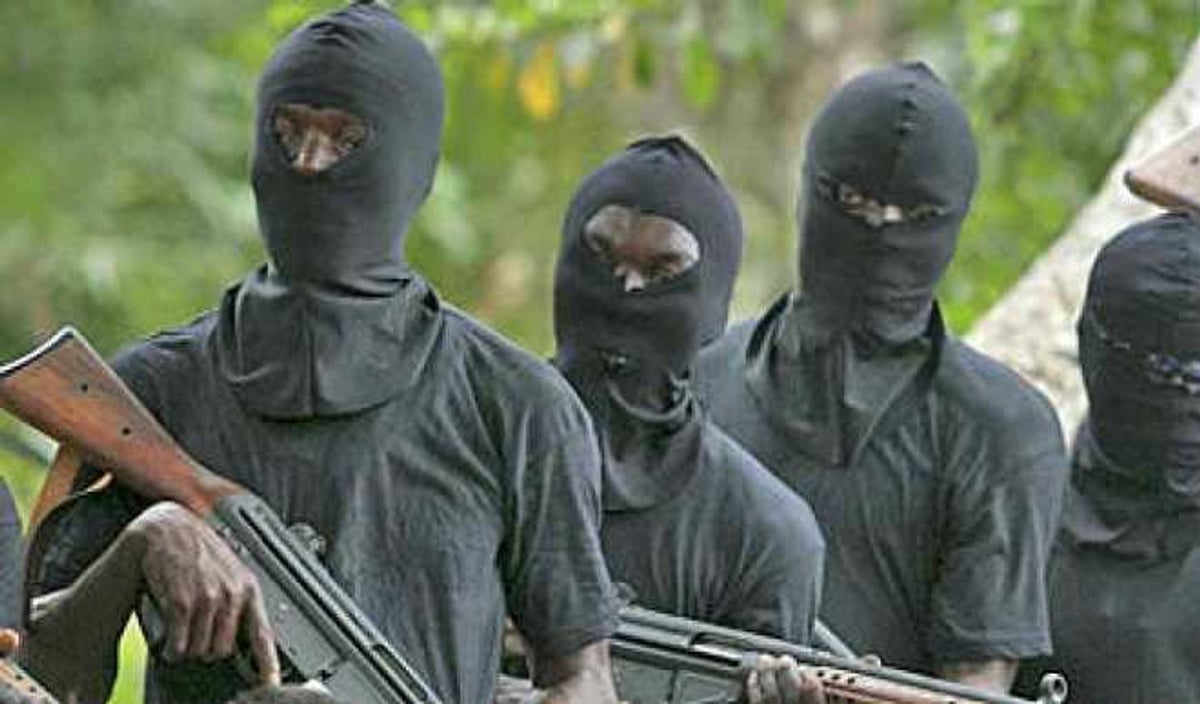
According to residents, heavily armed gunmen invaded Bin-Per (also spelled Binper) between midnight and the early hours of Tuesday, August 18, moving from house to house and attacking residents while they slept. Eyewitness Daniel Musa said the attackers “were moving from house to house, opening the doors of people who were sleeping and slaughtering them,” adding that more than 20 deaths had been confirmed by Tuesday morning, with several others injured and some people still missing.
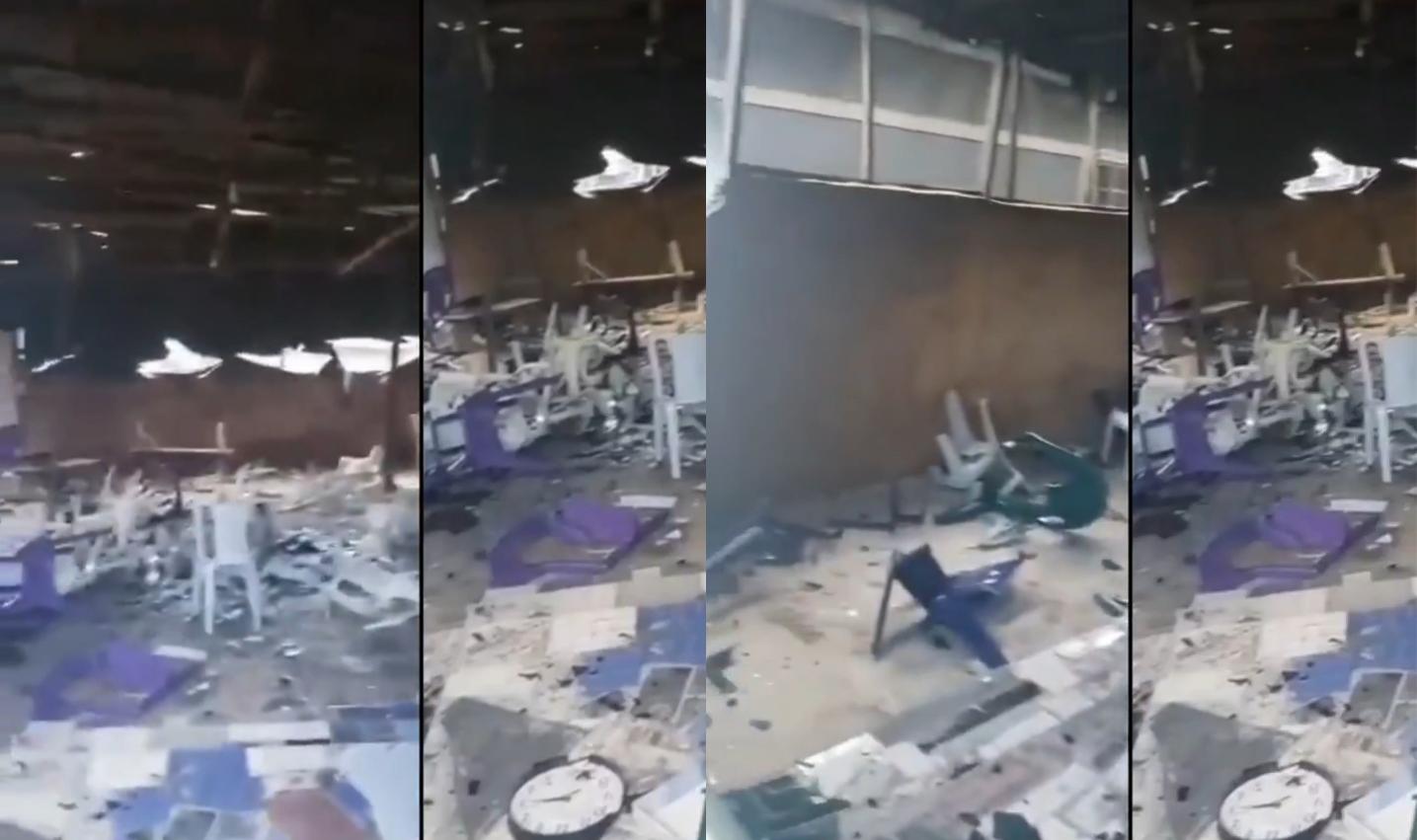
The Plateau State House of Assembly later disclosed that more than 25 people were killed in Bin-Per’s Bwai District alone, with one additional person killed in separate attacks on the nearby Jwak and Murish communities. Lawmakers said no fewer than 38 houses were burnt, along with farmlands and stored grain. Another resident, John Dalyop, said security operatives did not arrive until after the attackers had already fled, and appealed to the state’s newly appointed Commissioner of Police to act quickly against those responsible.
In response, Plateau State Governor Caleb Mutfwang directed security agencies to intensify surveillance and patrols in Bin-Per and other vulnerable communities in Mangu, while urging residents to remain calm and avoid reprisal attacks.
A Community That Has Buried Its People Before
Tuesday’s attack is not an isolated tragedy — it is the latest in a long, painful pattern of violence in Mangu and across Plateau State. In May 2023, more than 100 civilians were killed over two days in coordinated attacks on villages across Mangu Local Government Area, with local activists putting the toll above 200. That violence forced authorities to impose a 24-hour curfew, though residents at the time criticised the response as ineffective.
Later that same year, coordinated attacks on Christmas Eve across Mangu, Bokkos and Barkin-Ladi Local Government Areas killed at least 157 people and displaced more than 20 villages, prompting President Bola Tinubu to vow that the “envoys of death” responsible would not escape justice. In April 2026, gunmen killed at least 27 people at a bar in the Angwan Rukuba district of Jos, the state capital, leading Tinubu to summon Governor Mutfwang to Abuja and pledge that “this experience will not repeat itself,” including a promise to deploy 5,000 CCTV cameras across the state for surveillance.
That promise has not stopped the killing. Less than five months later, Mangu has buried more of its people.
Why the Violence Keeps Returning, and What It Costs Nigeria
The immediate cause of Tuesday’s attack remains under investigation, with the identity of the attackers not yet officially confirmed. But the pattern fits a decades-long conflict in Nigeria’s Middle Belt between predominantly Christian farming communities and largely Fulani herders, driven by competition over land and grazing routes, and worsened in recent years by the presence of armed groups exploiting the tension. Lawmakers have also pointed to slow security deployment and weak intelligence gathering as recurring failures that let attackers strike and disappear before help arrives.
The human cost falls hardest on families like those mourning in Bin-Per this week — widows, orphaned children, and communities left to rebuild homes and replant farmland destroyed in a single night. Lawmakers have warned that the destruction of farmlands and stored food supplies could deepen food insecurity for families already struggling.
For Nigeria as a country, each new attack chips away further at public confidence that the government can protect ordinary citizens, no matter how many times officials promise it “will not happen again.” It also carries an economic cost: repeated attacks discourage farming and investment in one of Nigeria’s key food-producing states, and the recurring cycle of displacement adds pressure to a humanitarian system already stretched by insecurity in other parts of the country.
Calls for Lasting Solutions
Community and political leaders responding to Tuesday’s attack have renewed calls for measures that go beyond condolences. The Plateau State House of Assembly urged security agencies to strengthen intelligence gathering, improve surveillance, and ensure security personnel are deployed to vulnerable communities before attacks happen, not only after. A civil society group, describing the recurring bloodshed as unacceptable, called on both Governor Mutfwang and President Tinubu to urgently reassess the security situation in vulnerable communities and take concrete preventive steps rather than reactive ones.
Following earlier attacks this year, the federal government pointed to measures such as expanded CCTV surveillance and joint military-police patrols under Operation Enduring Peace as part of its response strategy. Whether those measures can be extended effectively to rural farming communities like Bin-Per — which sit far from the state capital and are harder to patrol continuously — remains an open question that residents say the government must urgently answer.
Our Take
We think the image of women marching through Bin-Per with leaves raised over their heads should trouble every Nigerian, not just residents of Plateau State. This is a community that has now grieved mass killings multiple times in under three years, each time hearing promises that it would not happen again. The protest itself is a form of grief, but it is also a warning: when government reassurance stops matching people’s lived reality, citizens will keep finding ways to make their pain visible. Plateau’s leaders, state and federal, owe these women more than condolences this time — they owe them a security presence that arrives before the bodies are counted, not after.
Published by Ejoh Caleb