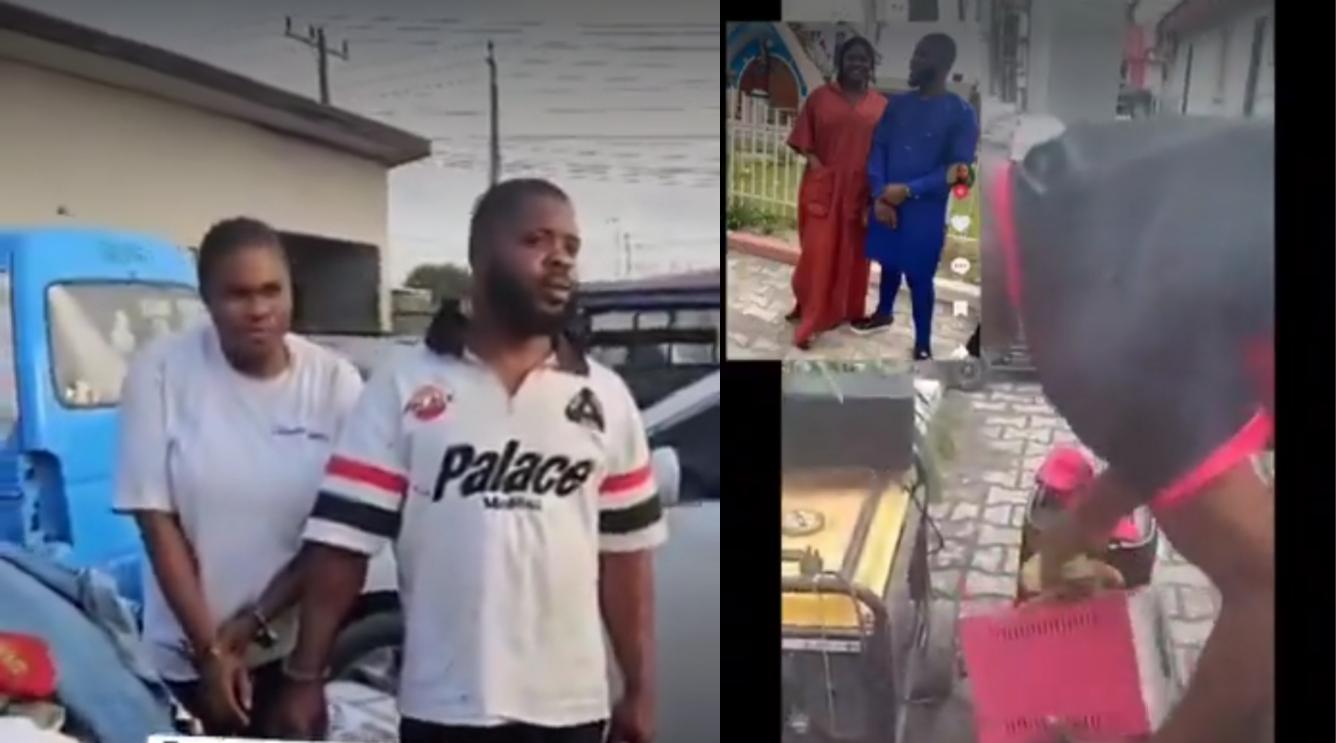
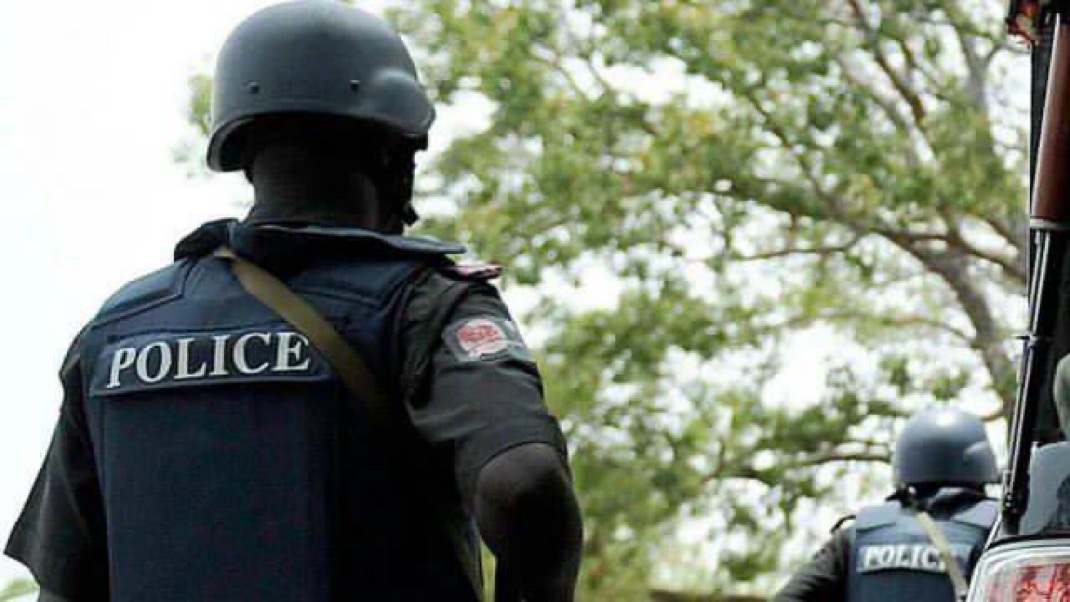
A tense scene played out on Ada-George Road in Port Harcourt, Rivers State, after Nigerian police officers were reportedly seen forcing a man wearing a military polo shirt into their Hilux patrol vehicle.
According to a video circulating online, the man resisted the officers as tension rose at the scene. He eventually broke free, returned to the truck he had been driving, and drove off.
It is not yet clear what prompted the confrontation, whether the man was suspected of an offence, being checked for identification, or stopped for an unrelated reason. Neither the Rivers State Police Command nor any military authority has issued a public statement on the incident as of this report.
A Recurring Flashpoint in Nigeria’s Security Architecture
Standoffs between police officers and personnel from Nigeria’s armed forces, or people perceived to be military personnel, are not new, and Port Harcourt has seen its share of tense security incidents in recent memory.
In 2022, gunmen dressed in military uniform ambushed a police escort convoy in the city, killing three officers and abducting an oil executive, a case that later fed public debate about the ease with which impostors can pass as military personnel using uniforms and gear.
More broadly, Nigeria has a long-documented history of friction between its police and military over jurisdiction, especially during joint operations, checkpoint stops, and roadside encounters where it isn’t immediately clear which agency has authority over the other. Confrontations involving a uniform, or a piece of clothing associated with the military, tend to escalate quickly because neither party can immediately verify the other’s identity or authority in the moment.
Why These Confrontations Happen — and Why They Matter
Uniform and gear are not reliable identity checks. Military-style clothing, including polos and other apparel, is widely available and worn by civilians in Nigeria without any service affiliation, which can create genuine confusion, or suspicion, in roadside encounters.
Unclear jurisdiction in mixed encounters. When police personnel are uncertain whether someone is legitimate military personnel, an impostor, or simply a civilian in military-style clothing, there is often no immediate, agreed protocol for de-escalating the situation on the spot.
Low public trust fuels quick escalation. Incidents of extortion, harassment, and impersonation at checkpoints have made both roadside stops and resistance to them more tense by default, regardless of who is actually involved.
Video documentation changes the stakes. Bystanders recording these encounters on their phones means confrontations that might once have stayed local now spread quickly online, often before either agency has had a chance to establish the facts.
The effects of incidents like this extend beyond the individuals directly involved.
For public trust in security agencies, viral, unresolved confrontations like this one feed a broader public perception that roadside stops can turn confrontational without clear cause or accountability.
For inter-agency relations, repeated public friction between police and military personnel, real or perceived, can complicate joint security operations that rely on cooperation between the two forces.
For ordinary road users, uncertainty about how to safely respond during an unexpected stop, comply, resist, or ask questions, is reinforced every time an incident like this goes unexplained.
What Could Reduce Incidents Like This
Faster public clarification from the relevant commands. A quick statement from the Rivers State Police Command clarifying what happened would help settle public speculation and either confirm wrongdoing or correct the narrative.
Clearer on-the-spot identity verification protocols. Standard, well-known steps for confirming a person’s military or civilian status during a stop could reduce the chances of a routine encounter escalating into a physical struggle.
Public education on rights during police stops. Clearer public information on how citizens can safely question or verify an officer’s actions during a stop, without it being read as resistance, could reduce both the tension and the risk of the situation becoming physical.
Investigating footage before conclusions harden online. Where video evidence exists, as in this case, prompt investigation by the police force itself would help separate what actually happened from public assumptions.
Our Honest Assessment
Until the police or military say something official, it is hard to know who was in the right here. What I can say is that this fits a broader, familiar pattern: an unclear roadside encounter, a struggle caught on video, and silence from the agencies involved. That silence is often what turns a local incident into a viral one.
If Nigeria wants fewer of these moments ending up as trending videos, both police and military authorities need to get faster and more consistent about explaining themselves publicly. Leaving the public to fill in the gaps with speculation rarely favours anyone involved, including the officers themselves.
Published by Ejoh Caleb