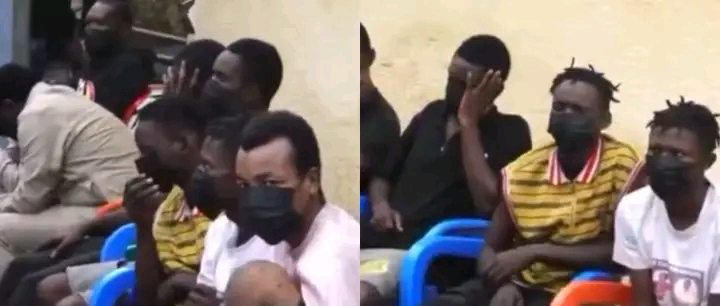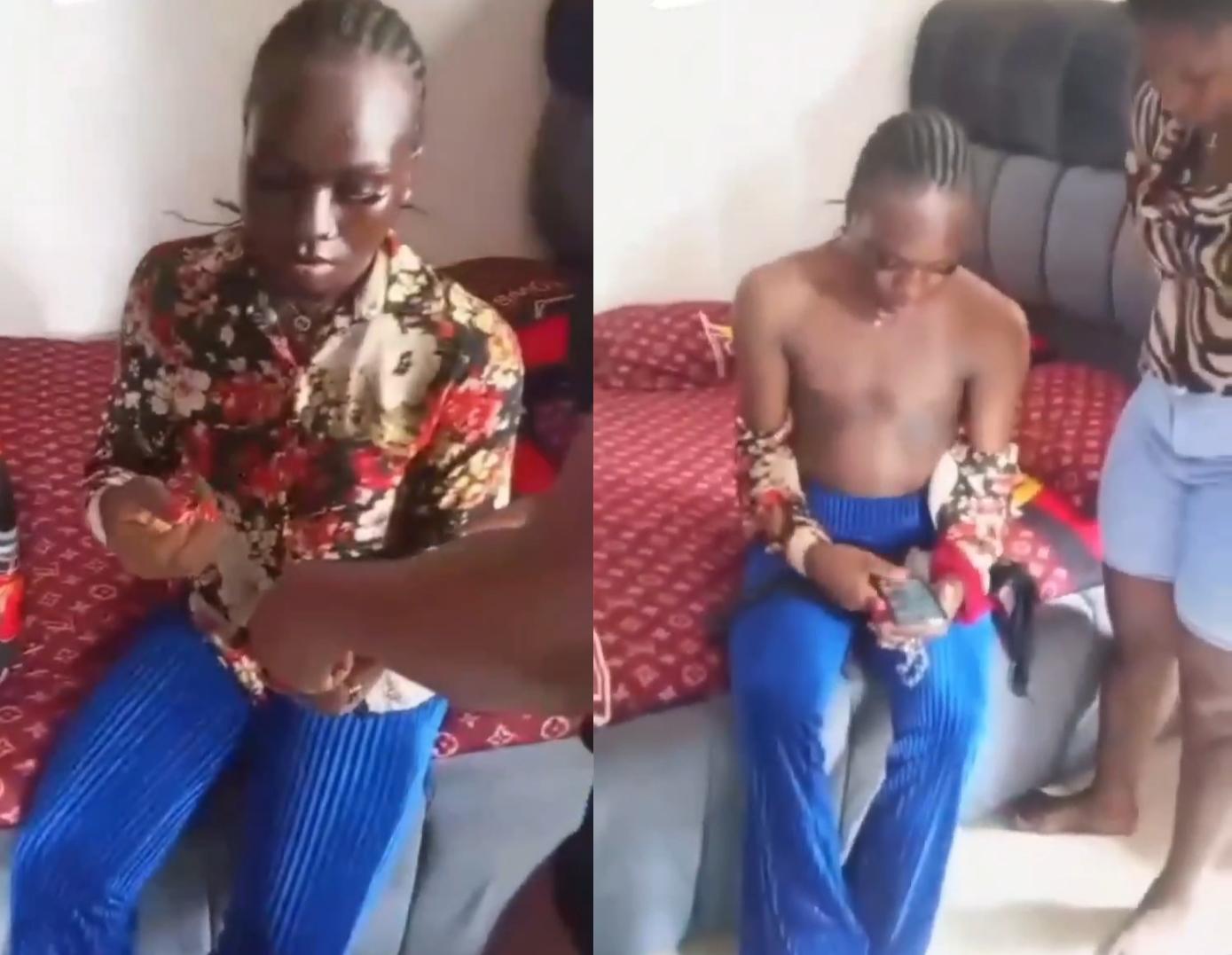
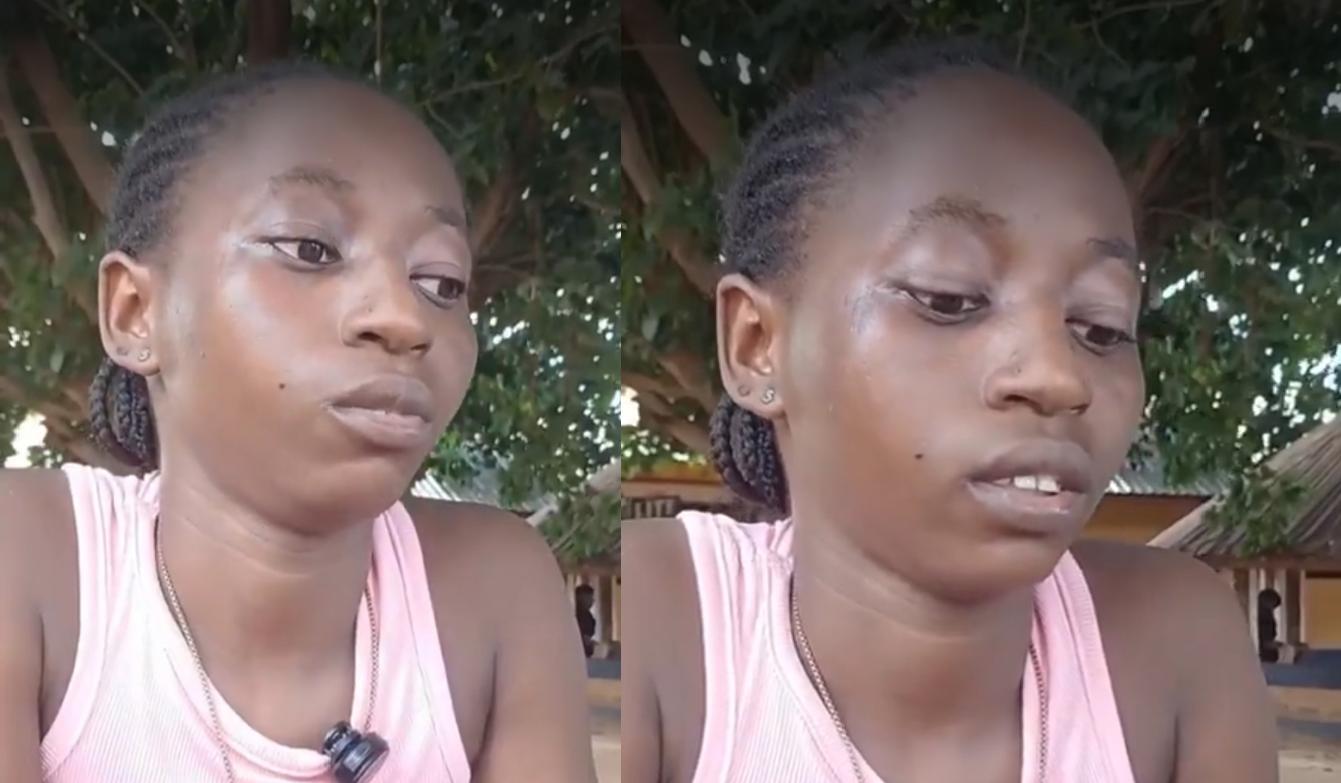
A 21-year-old lady has reportedly been arrested in Benue State on suspicion of trying to traffic some girls to Mali for prostitution (forced sex work, where victims are made to sell sex against their will, often under threats or violence).
According to reports, the suspect claimed she had herself previously travelled to Mali for prostitution, working under a “madam” (a term used for the women who control and profit from trafficked girls once they arrive at their destination), before her debt to the madam was eventually settled for 1.5 million CFA francs.
If the allegations against her are confirmed, she would be the latest in a long line of young Nigerians, many of them women, accused of recruiting other young women and girls from Benue State into trafficking networks that funnel them into Mali and other West African countries for sexual exploitation.
Benue’s long, painful history with trafficking to Mali
This is not a new problem for Benue State. In 2022, a Federal High Court in Makurdi sentenced a 24-year-old woman after she pleaded guilty to organising trips for young girls to Mali for sexual exploitation. She was arrested at a popular motor park in Makurdi after a concerned citizen alerted authorities to seven girls, one of whom was a suspected trafficker, heading to the park together.
Earlier this year, an 18-year-old girl from Benue State recounted how she escaped a trafficking network after being lured with promises of a job outside Nigeria in March 2026. Her journey reportedly started in Benue State and passed through Otukpo, Enugu, and Lagos before she was moved across West African borders.
Just this month, three Nigerian women, two of them from Plateau State, were rescued from a gold-mining settlement in Mali’s Kayes Region after being deceived with a fake restaurant job offer, then forced into prostitution, stripped of their identity documents, and made to swear traditional oaths so they would not resist.
Research by ENACT Africa found that roughly 20,000 Nigerian women and girls are being held and forced into prostitution in Mali, with most victims coming from Edo State, though Benue features prominently as another major source.
Why this keeps happening
Poverty and unemployment leave many young women in Benue State vulnerable to false job offers. Some communities in the state have also been destabilised by farmer-herder conflicts, pushing more families into desperation.
Traffickers, often called “madams,” typically recruit victims with promises of legitimate jobs, sometimes in restaurants, hairdressing, or trading, only for the girls to discover the truth after crossing multiple borders through illegal routes. Once trafficked, victims often have their phones and identity documents seized, and some are forced to take traditional oaths meant to frighten them into silence and obedience.
How this affects victims and Nigeria as a country
For the girls and young women trafficked, the effects are devastating: forced sex work, physical and psychological abuse, confiscated documents, and in some cases, months or years of captivity before any rescue happens.
Beyond individual victims, this crisis damages Nigeria’s international reputation, particularly its standing with neighbouring West African countries and international partners working on cross-border security. It also represents a significant loss of young, productive citizens who could otherwise be contributing to Nigeria’s economy and workforce. The scale of trafficking from states like Benue and Edo has made Nigeria a repeat subject of global trafficking reports, which can affect how Nigerians are treated when travelling or seeking visas abroad, since immigration officials in some countries associate certain travel patterns with trafficking risk.
Possible solutions
NAPTIP (the National Agency for the Prohibition of Trafficking in Persons) needs stronger, sustained funding to expand rescue operations and intelligence-gathering in high-risk states like Benue.
State governments should invest more in job creation and skills training for young women in trafficking-prone communities, to reduce the appeal of risky “opportunities” abroad.
Communities need continuous, localised sensitisation campaigns, in local languages, warning families about the tactics traffickers use, including fake job offers and traditional oath-taking.
Nigeria should keep strengthening cooperation with Mali, Côte d’Ivoire, and other destination countries to make rescue and repatriation faster for victims already trapped.
Motor parks and transport hubs, often used as departure points for trafficking victims, should have more active monitoring by NAPTIP and transport unions.
A balanced view: not every alleged trafficker fits a simple picture
It is important not to assume every young woman accused of trafficking is simply a heartless criminal. In this case, the suspect herself reportedly went through the same system first, travelling to Mali for prostitution and working under a madam until her own debt was settled. This mirrors a well-known pattern in trafficking networks, where a victim who has finished paying off what she “owes” is sometimes pushed, or chooses, to become a recruiter herself, since it may seem like the only way she knows to make money after such an experience. This context does not excuse trafficking other vulnerable girls into the same abuse, but it does complicate the picture of who these “traffickers” often are, and points to the need for the justice system to look closely at each case rather than treating every suspect the same way.
Our thoughts
Every time a story like this breaks, it should be a reminder that trafficking to Mali is not a rare or shocking exception in Benue State, it is a pattern that has repeated for years, with new victims and new suspects appearing under the same script: a promised job, a long journey through several borders, and a life of forced sex work at the other end. I think the arrest of this 21-year-old, if the allegations hold up in court, should push the conversation beyond just punishing individual suspects. Nigeria needs to ask harder questions about why so many young women from the same state keep finding themselves recruited into this pipeline, and whether enough is truly being done to give them safer options at home.
Published by Ejoh Caleb