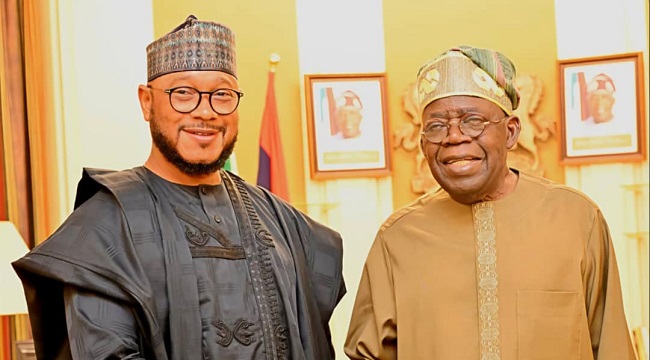
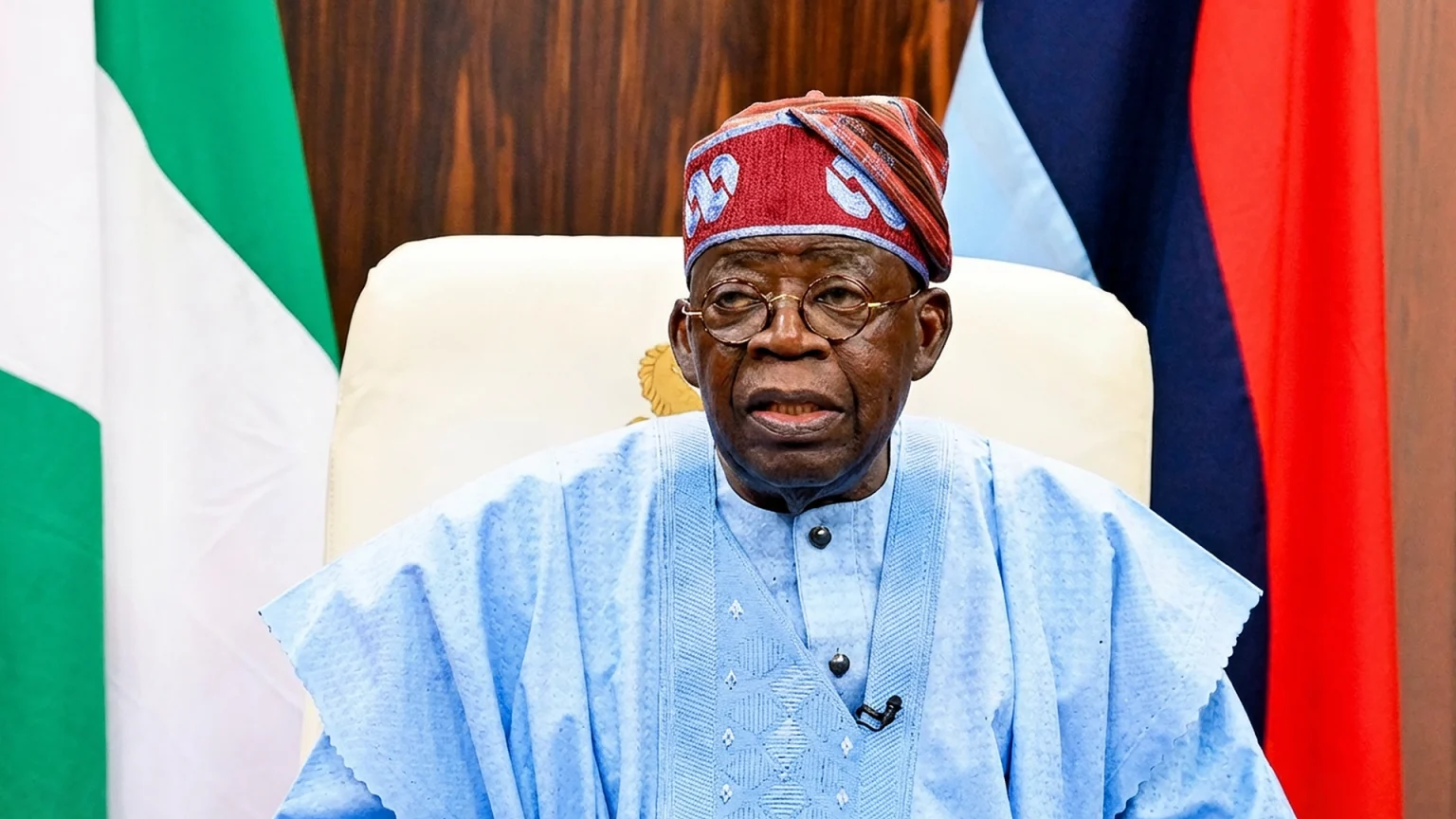
President Bola Tinubu on Friday, July 24, 2026, urged Nigerian doctors and other healthcare professionals living abroad to return home and help strengthen the country’s healthcare system. He made the appeal while receiving a delegation of the Nigerian Diaspora Medical Associations Worldwide at the State House, Abuja, as part of the 2026 National Diaspora Day celebration, led by the Chief Executive Officer of the Nigerians in Diaspora Commission (NiDCOM), Abike Dabiri-Erewa.
Drawing on his own experience of studying and working in the United States before returning to Nigeria, Tinubu told the delegation, “I’ve been through that journey. I’m home, and I can tell you, there’s nowhere like home.” He said Nigeria needs the knowledge, innovation, and patriotism of its highly skilled professionals abroad to build a resilient, world-class healthcare system.
He urged the visiting doctors to serve as ambassadors of the country’s “renewed optimism” by encouraging more Nigerian medical professionals abroad to reconnect with home, whether through partnerships, investment, knowledge exchange, or a permanent return where possible. He also directed NiDCOM to prepare personalised letters of appreciation for the delegation.
A Crisis That Has Been Building for Years
Tinubu’s appeal responds to one of Nigeria’s most serious ongoing problems: the mass emigration of its healthcare workers, commonly called “japa,” a Yoruba slang term for fleeing or relocating abroad.
The scale is significant. Nigeria’s Medical and Dental Council had registered over 130,000 doctors as of mid-2026, but only about 55,000 are still actively practising inside the country, according to the Nigerian Medical Association. With a population of more than 220 million, that works out to roughly one doctor for every 3,600 to 4,000 Nigerians, far short of the World Health Organisation’s recommended ratio of one doctor to every 600 people.
Since the japa wave began, an estimated 94,000 doctors and nurses have left Nigeria altogether, according to figures cited by the Association of Resident Doctors.
The United Kingdom remains the top destination, with more than 12,000 Nigerian-trained doctors practising there as of 2023, while over 20,000 more work in the United States, alongside large numbers in Canada and Germany.
In 2023, a Nigerian lawmaker introduced a bill that would have withheld newly graduated doctors‘ full practising licences for five years to discourage them from leaving the country immediately after school. The bill drew widespread criticism, including from health professionals themselves, who argued it ignored the real reasons doctors were leaving in the first place and unfairly restricted their freedom to work where they chose.
Why Nigerian Doctors Keep Leaving in the First Place
Researchers point to a consistent set of “push” factors driving doctors out of the country, alongside the “pull” of better conditions abroad.
On the push side: poor pay and welfare, inadequate medical equipment and supplies, limited opportunities to specialise or grow in their careers, and rising insecurity, including cases of health workers being abducted from their homes or workplaces.
On the pull side: significantly higher salaries abroad, safer working environments, clearer career progression, and active recruitment efforts by destination countries, such as the United Kingdom’s Health and Care Visa, designed specifically to fast-track international medical staff.
The gap between government messaging and the experience of doctors still working in Nigeria has also been a sore point. In October 2025, the National Association of Resident Doctors (NARD) warned that Nigeria’s health sector was facing a national emergency, insisting that thousands of doctors across the country were still working under harsh conditions without adequate pay, modern equipment, or safety provisions, despite salaries and allowances that had already been approved and promised by the government.
When the Shortage Turns Fatal — Real Cases Behind the Statistics
The doctor shortage is not just a numbers problem; it has already cost lives and continues to put patients at risk across the country.
On September 1, 2025, Dr Oluwafemi Rotifa, a resident doctor in the Department of Surgery at Rivers State University Teaching Hospital in Port Harcourt, died while on call, after reportedly being left to single-handedly cover an emergency unit for roughly 72 hours straight due to staff shortages. The President of the National Association of Resident Doctors (NARD), Tope Osundara, described his death as preventable, calling it “a death on duty” caused by excessive workload and systemic neglect.
In Benue State, 28-year-old Aisha Sani went into labour in a small community on the outskirts of the state, only to find the nearest primary healthcare centre locked, with no nurse, no midwife, and no drugs available to help her.
In Lagos, a patient named Busayo Ajayi waited nearly five hours at the Oshodi-Isolo Primary Health Centre with severe body pain before being attended to, because only one doctor was on duty at the facility that day.
These individual cases sit inside a much larger national pattern. Nigeria already records the world’s highest maternal death toll, accounting for 28.5 percent, or roughly 82,000 deaths, of all maternal deaths recorded globally in 2020, alongside an infant mortality rate of 72 deaths per 1,000 live births, among the highest in the world. The President of the Medical and Dental Consultants Association of Nigeria (MDCAN), Prof. Appolos Chidi Ndukuba, has warned that these already-alarming figures could worsen as the health workforce continues to shrink.
Overworked, understaffed hospitals also see more everyday medical errors, not just dramatic tragedies. One Lagos-based health expert, Dr Ebidimie, put it bluntly, saying burnt-out doctors inevitably make more mistakes, adding, “We had a doctor who died from excess work. He was on a weekend call. By Monday, he was found dead. I know a lot of doctors who have died like that.”
For patients, a shrinking pool of doctors means longer waits, fewer specialists, and, in many parts of the country, having to travel long distances just to see a qualified physician.
For the doctors who remain in Nigeria, the shortage means heavier workloads and greater pressure, often for the same pay and working conditions that pushed their colleagues to leave in the first place.
For Nigeria as a country, an eroding health workforce affects far more than hospitals. It undermines public health outcomes nationally, raises preventable death rates, and puts the country further behind global health workforce targets, at a time when Africa as a whole carries over a quarter of the world’s disease burden but employs under three percent of its health workers. It also raises hard questions about whether appeals like Tinubu’s can succeed without matching improvements in pay, security, and working conditions at home.
What It Might Actually Take to Bring Doctors Home
Nigeria could implement clear, funded improvements to doctors’ pay and allowances, and ensure existing government promises to resident doctors are honoured on time, so returning doctors do not step into the same frustrations that pushed others out.
The government could invest more heavily in hospital equipment, medical supplies, and infrastructure, since better pay alone will not retain doctors without the tools to do their jobs.
Stronger security measures for healthcare workers, particularly in regions with a history of abductions and violence, would address one of the most serious push factors identified by researchers.
Structured “reverse brain drain” or “japada” programmes, offering diaspora professionals defined roles, research support, and career growth on return, could make coming home a stronger career choice rather than only a patriotic one.
Government messaging could be matched by consistent, visible action, so that appeals like this one are backed by evidence that conditions are genuinely improving for doctors already working in Nigeria.
Our Take
I do not doubt that Tinubu’s appeal is sincere, and there is nothing wrong with reminding talented Nigerians abroad that home still needs them. But an appeal is not a policy, and patriotism does not pay medical school loans or protect a doctor from being abducted at a rural clinic. The same week this appeal was made, resident doctors were still raising alarms about unpaid, promised allowances. If the government wants more “japada” than “japa,” the more convincing message would not be a speech at the State House, but proof, in salary alerts and functioning equipment, that the conditions doctors left in search of are starting to exist back home too.
Published by Ejoh Caleb