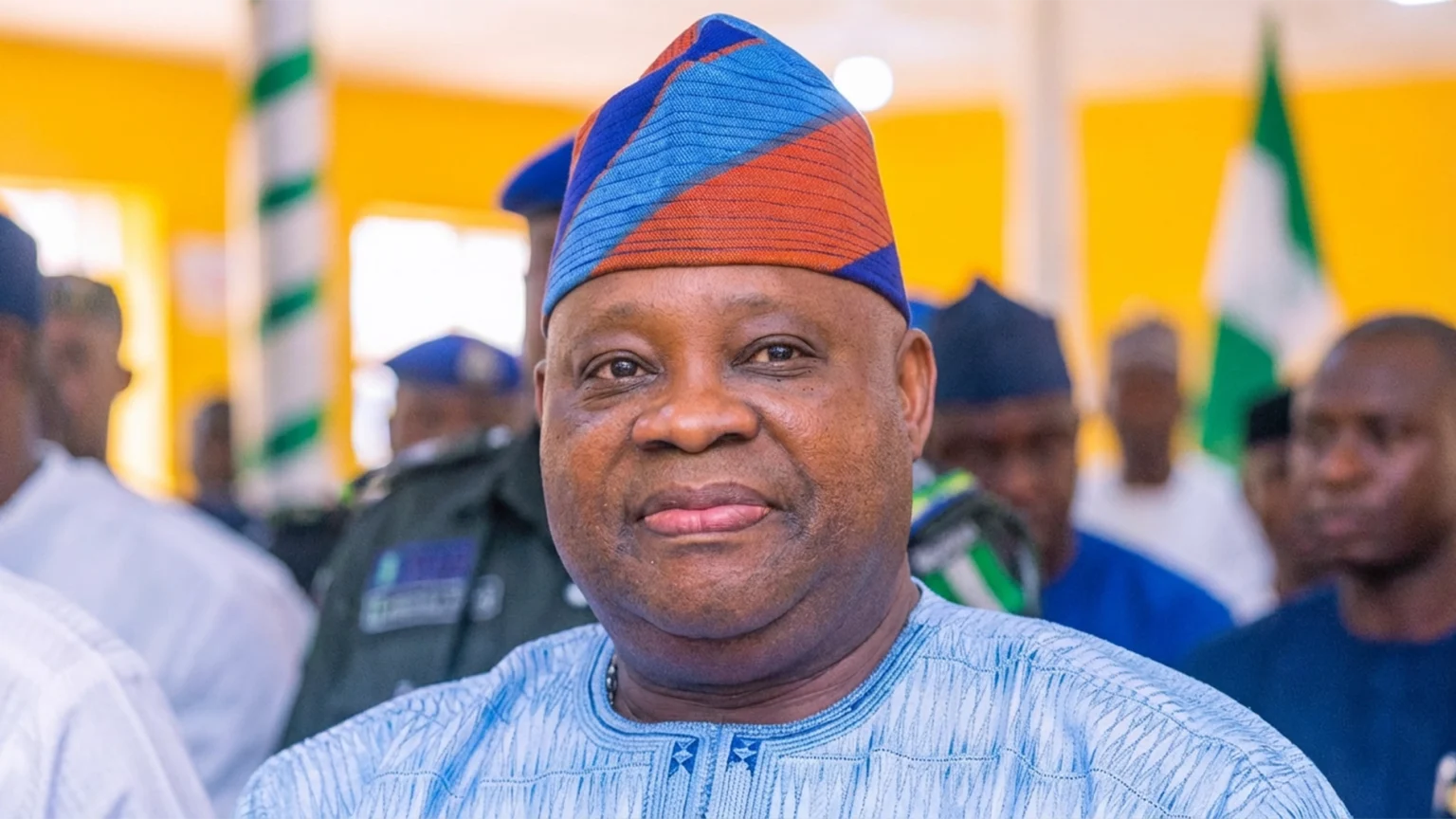
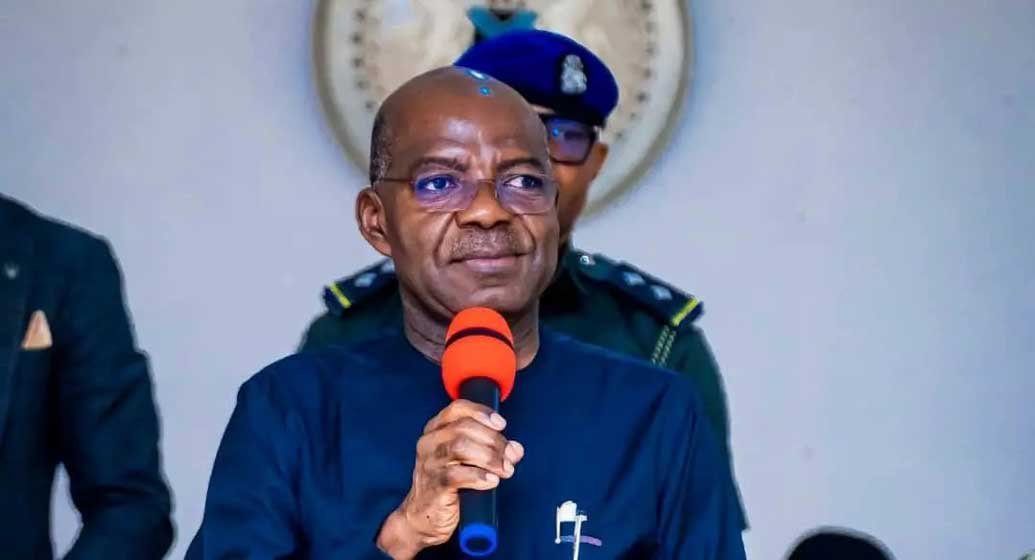
Abia State Governor, Dr Alex Otti, has urged Labour Party (LP) candidates and supporters in Imo State to work hard at the grassroots and protect their votes. He spoke on Wednesday, November 11, 2026, at the party’s campaign flag-off at All Saints Cathedral Church Field, Egbu, Owerri. He said victory was achievable if the party stayed united and strategic. His press secretary, Ukoha Njoku, issued the statement afterwards.
A Campaign Launch Built on a Simple Message: Vote, Then Guard the Vote
Mr Otti congratulated the candidates for reaching the campaign stage. He told them to go out and win, because “victory is certain.” He warned that winning needs more than casting ballots. Votes must also be protected. Another report said he told the crowd that each voter has only one vote, so it must be both cast and protected. He also asked members not to chant “Best Governor” for him. He said he was not competing with Imo Governor Hope Uzodimma or any other governor.
LP National Chairman Nenadi Usman was represented by Deputy National Chairman Salisu Nuhu Muhammed. He presented party flags to candidates for the Senate, House of Representatives and State Assembly. He said the party would use its record in Abia to win in Imo. Confidence of this kind is a normal part of a campaign launch. It is a political claim, not a result, and voters will decide.
Where the Race Stands: Timelines, Candidates and What Is on the Ballot
The Independent National Electoral Commission (INEC) fixed the presidential and National Assembly elections for January 16, 2027. Governorship and State Assembly elections follow on February 6. Campaigns for the first group began on August 19, 2026, and campaigns for the second began on September 9. All campaigning must end 24 hours before voting. INEC has published a final list of 18 presidential candidates.
Imo’s governorship election is off-cycle (held at a different time from the general elections). It was last held in November 2023, so it is not part of this round. The LP candidates at the Egbu event are therefore running for legislative seats. One example is Basil Maduka, the party’s candidate for Imo East Senatorial District.
Past Contests Show Why Parties Keep Talking About Guarding Votes
Imo’s 2023 governorship election is the closest example. Mr Otti campaigned there for the LP candidate, Athan Achonu. He told supporters that security would be provided. He urged them to follow their votes to the ward collation centres (the places where results from polling units are added up). INEC declared Governor Uzodimma of the All Progressives Congress (APC) the winner with 540,308 votes. The PDP’s Samuel Anyanwu had 71,503, and Mr Achonu had 64,081. INEC said Mr Uzodimma won all 27 local government areas.
Opposition parties disputed the process. An SDP agent claimed that about 70 percent of voting happened without BVAS accreditation (the fingerprint or face check at the polling unit). That is an allegation, and INEC announced the results anyway. INEC said that claims of violence and vote-buying were not enough to seriously affect the exercise. Mr Achonu said he would challenge the result at the tribunal. We did not find the final outcome of that challenge.
There was also a reaction to Mr Otti’s visits. In October 2023, an APC group warned him to stay away from Imo. It alleged, without proof, that he planned to sponsor violence. Mr Otti rejected the idea that he was a threat to peace. Both sides’ claims remain claims.
A second example came from the 2023 presidential election. INEC used the IReV portal (the online site where polling unit results are posted) in that election. A legal firm noted that the Supreme Court later ruled that this innovation lacked legal force.
What Fuels the Fear of Lost Votes: Doubts, Disputes and Legal Gaps
Several things drive the call to “protect” votes. Past disputes have left many people doubtful. Parties know that weak monitoring at polling units can leave room for errors or tampering. Voters also worry about intimidation and vote-buying, although such claims need evidence.
The law has changed, but not everyone is satisfied. Section 60(3) of the Electoral Act 2026 now requires presiding officers to transmit polling unit results to IReV. But there is a proviso. If transmission fails because of communication problems, the manually signed Form EC8A becomes the main source for collation and declaration. Former INEC officials warned that this wording could weaken electoral integrity if it is not clarified. This is why polling agents (party representatives who watch voting and counting) still matter so much.
The Wider Effects on Public Trust and the Strength of Democracy
The calls to protect votes touch the whole country. If voters believe the count is fair, they accept the result even when their side loses. If they doubt it, tension can follow, and courts can become crowded with petitions. A credible process also affects how investors and foreign partners view Nigeria.
Public money is at stake too. INEC told the National Assembly it needs ₦873.78 billion for the 2027 elections. Voters also need an accurate list. On November 9, INEC said it removed 1,608,660 invalid entries from the voter register. These steps show how much work goes into making each vote count.
Guarding Votes Within the Law: Rights, Risks and the Need for Calm
Watching the count is a lawful right for parties and citizens. Trained agents at polling units, and observers, make results harder to change. That is good for every party, not only the LP.
But the phrase “protect your votes” can be misunderstood. Supporters must stay peaceful and must not take the law into their own hands. Mr Otti seems to accept this point. In Abia, he warned supporters on November 1 not to disrupt opposition campaigns, saying he had not authorised anyone to do so. Security agencies and INEC also have a duty to stop intimidation from any side.
Practical Steps to Make Every Vote Count and Stay Counted
Parties should train and equip polling agents, and agents should take photos of result sheets where the law allows. Voters should collect their Permanent Voter Cards, check their names on the register, and know their polling unit. INEC should make sure BVAS and IReV work well and explain clearly what happens when networks fail. Civil society groups can observe and report. If a party has a complaint, it should use INEC channels and the courts, not violence.
Confidence Is Not a Result, and Counting Is Where Trust Is Won
We note Mr Otti’s confidence and the LP’s hopes in Imo. Every party says it will win, and campaigns need that energy. But the real measure comes in January and February 2027. Voters will decide, and INEC and the courts will confirm the outcome.
We believe the call to protect votes is fair if it stays peaceful and lawful. It should apply to every party’s voters, not only one. Our democracy grows stronger when results can be checked and trusted by winners and losers alike. That is the aim we should all share.
Published by Ejoh Caleb