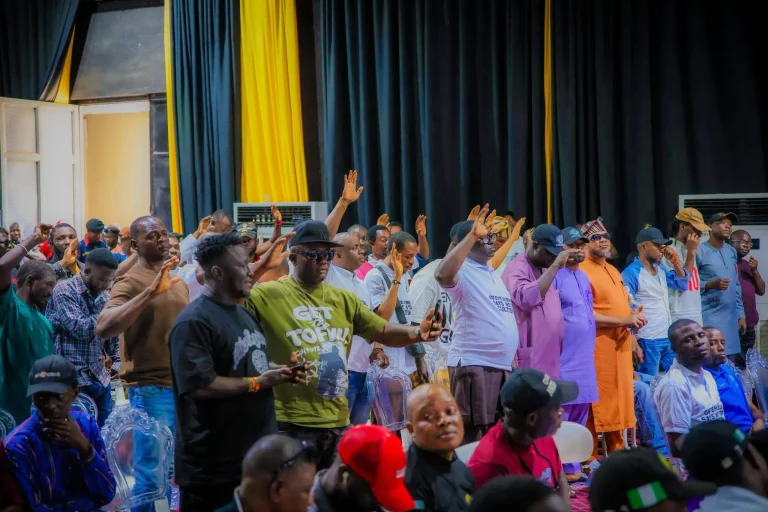

Enugu State Governor Peter Mbah has ordered a thorough investigation into the deaths of four University of Nigeria, Nsukka (UNN) students. They died after an off-campus sign-out party, and six others were reportedly hospitalised. The governor said his government would work with tertiary institutions to enforce a ban on sign-out parties and other excessive celebrations. He also suspended his planned town hall meeting with the UNN community on Friday, November 13, 2026, to join the university in mourning. His media aide, Mazi Uche Anichukwu, issued the statement on Thursday, November 12.
What Officials Have Confirmed So Far
UNN’s Vice-Chancellor, Prof. Simon Ortuanya, said four of the ten students at the party died. The other six were being treated in hospital. The party was held for a friend who had finished his final-year exams. The university declared three days of mourning. It also said the students came from different departments, and it reminded students that sign-out celebrations are already banned on its campus.
Police spokesman SP Daniel Ndukwe said two male and two female students took ill at Hilltop Lodge in Nsukka on November 11. He said alcoholic drinks were recovered, and the bodies were taken to a mortuary for autopsy. The police are treating the deaths as sudden and unnatural. The university said preliminary findings suggest alcohol and drug abuse. These are early findings, not final results. The exact cause will be known only after autopsy and other tests, so readers should not treat it as settled.
How Early Reports Got the Numbers Wrong
On Thursday morning, many posts and reports claimed that six or seven pharmacy graduates had died. That was not accurate. The university clarified that the number was four. The students’ union body for pharmacy students at UNN had earlier dismissed the claim that seven of its members died.
Early confusion is common when videos spread before officials speak. The mistake caused extra pain for families of students who were not affected. It also shows why waiting for official confirmation matters.
Earlier Bans and Earlier Losses: What Other Campuses Have Tried
Mr Mbah’s plan is not new. Premium Times noted in October 2025 that bans on sign-out celebrations are not new in Nigeria. Nnamdi Azikiwe University, Awka, banned the ritual for final-year students in 2025, citing unruly behaviour, chaos and safety risks. The Federal University of Lafia banned sign-out celebrations at its campus gate after a fatal accident involving two tricycles. Tai Solarin University of Education suspended such celebrations indefinitely after the death of a 400-level student.
Bans have not always worked. In the same 2025 report, university security officers were reported to have clashed with students over a sign-out ban. The UNN case is a further warning. The party happened off campus, where a campus rule has little force, and a ban was already in place.
Risk, Peer Pressure and Easy Access: Factors Behind Dangerous Celebrations
Final-year students feel they have earned a big moment. Many want to celebrate with friends, and some feel pressure to join in. Off-campus lodges have little supervision. In a closed room with alcohol or other substances, one wrong choice or one bad product can have serious results.
We cannot say what happened at Hilltop Lodge. The cause is not yet known. But the general risks are clear: mixing substances, drinking in large amounts and having no one sober to call for help. When people fall ill, delay in getting medical help can turn a bad situation into a fatal one.
The National Picture: Substance Use, Weak Treatment Services and Young Lives Lost
The wider problem is large. A national drug use survey, released in 2019, estimated that 14.3 million Nigerians aged 15 to 64 had used drugs in the past year. That is 14.4 percent, more than twice the global average. The survey excluded alcohol and tobacco. It also noted that treatment and counselling services were very limited. That survey is several years old, but we found no newer national figure in the sources we checked.
Every young life lost is also a loss for Nigeria. Students who survive to graduate become workers, parents and leaders. A tragedy like this affects the families, the university and the people who would have depended on these young adults. It also raises questions about how well the country supports student health and safety.
Weighing a Ban: Possible Gains for Safety and Possible Costs for Students
A ban has clear benefits. It gives schools a clear rule and shows that leaders take the issue seriously. It may reduce the size of risky gatherings. Mr Mbah has argued that these celebrations have cost lives and brought more sorrow than joy.
There are also costs. Students may simply move parties off campus, out of sight of school staff. This is what appears to have happened here. Strong enforcement could also lead to clashes. A ban that punishes, without teaching or offering support, may not change behaviour. Many students celebrate safely, and a harmless tradition would be lost. It is also not yet clear how a state-led ban will work at a federal university such as UNN. These questions need clear answers.
Practical Steps That Go Beyond a Ban
The investigation should be thorough and its findings should be shared with the public, so that families and students know what happened. Autopsy and laboratory results should be released as soon as they are certain.
Schools should add alternatives. Supervised, alcohol-free events on campus can give students a place to celebrate. Counselling units and student groups can teach about the dangers of alcohol and drugs, and they should explain how to get help fast. Students should know that, if someone is unresponsive, vomiting repeatedly or struggling to breathe, they should call emergency services right away and not wait.
Government can strengthen treatment services and drug awareness programmes, as Mr Mbah has asked. Landlords of off-campus lodges should keep clear rules and report dangerous gatherings. Parents can talk openly with their children about risks.
Safer Celebrations Begin With Honest Conversations
We send our deepest condolences to the families, friends and classmates of the four students, and we wish the six in hospital a full recovery. These were young people on the edge of the next chapter of their lives.
We support a full investigation, and we believe the facts must come first. A ban may help, but we do not think a ban alone can protect students. Our young people need safe places to celebrate, honest information about risk, and quick access to help when something goes wrong. We hope this tragedy leads to those changes. Honest conversations now could save lives later.
Published by Ejoh Caleb