By Ejoh Caleb | Visiotalks
Published: November 26, 2026
Key Takeaways
- President Bola Tinubu approved three-bedroom flats in Abuja for the families of the 25 people killed in the October 5, 2026 Nigerian Air Force (NAF) ATR-42 crash, and ₦100 million each for the families of the 19 military personnel.
- He announced it at a memorial service and wreath-laying ceremony at the National Military Cemetery on Thursday, November 26.
- He also promised a thorough investigation and better aviation safety and operational procedures.
- The NAF is investigating its own aircraft. The cause has not been announced.
President Bola Tinubu has approved three-bedroom flats in Abuja for the families of the 25 people who died when a Nigerian Air Force (NAF) aircraft crashed near Igbokoda, Ondo State, on October 5, 2026. He also approved ₦100 million each for the families of the 19 military personnel who died. He announced the package on Thursday, November 26, at a memorial service and wreath-laying ceremony at the National Military Cemetery in Abuja.
A National Farewell Followed by a Promise of Housing and Cash
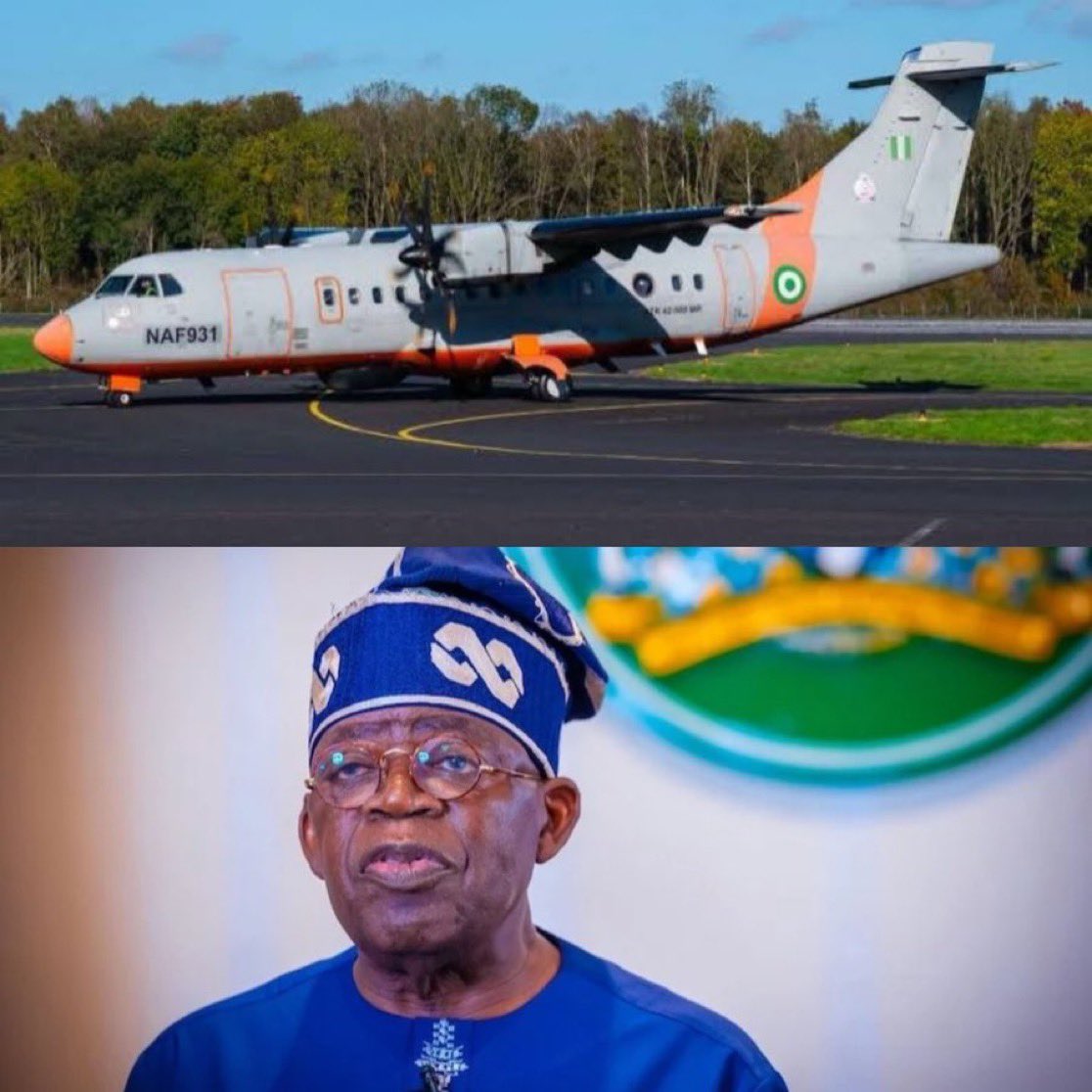
The aircraft was an ATR-42, registered NAF 931, on a routine flight from Benin City to Lagos. It crashed in a swampy area near the Naval Base in Igbokoda, Ilaje Local Government Area, and no one survived. The Air Force said 25 people were on board, five crew and 20 passengers. The passengers included 19 military personnel and six civilians.
Mr Tinubu told the families that the Renewed Hope Housing Project flats were a tangible expression of the nation’s gratitude. He said that, in addition to the flats, the officers’ families would get ₦100 million each. He added that long after the wreaths have faded, the government’s commitment to the families must remain evergreen. The Chief of Air Staff, Air Marshal Sunday Aneke, said the NAF’s responsibility to the families would not end with the memorial.
What the President Approved, and Where Reports Differ
Most reports say the flats go to the immediate families of all 25 victims, including civilians. Gazette’s report says the flat and the cash go to each military family, and that civilians’ immediate families also receive housing. The cash is specifically for the families of the 19 military personnel. By our own calculation, that comes to ₦1.9 billion. No report gives this total.
Some details are not yet public. Reports do not say how the flats will be allocated, who counts as “immediate family”, when families will receive the money, or what, if anything, the six civilians’ families will receive besides housing.
The Investigation So Far: Who Leads It and What Is Still Unknown
The Air Force opened an investigation after the crash, and on October 13 set up a 12-member Aircraft Accident Investigation Board. It has not publicly established a cause. The Nigerian Safety Investigation Bureau (NSIB) said it would not lead because the aircraft was military, though its laboratory can analyse flight data if the Air Force asks. One outlet reported an engine fault, but the NAF has not confirmed it.
At the ceremony, Mr Tinubu assured Nigerians that the crash would be thoroughly investigated and that findings would inform improvements in military and civilian aviation safety. In October, a Daily Trust editorial urged that the investigation be transparent and evidence-based, and said the president’s directive must not produce little result. As of the latest reports, no findings have been published.
Earlier Military Air Disasters and How the Nation Responded
This is not the first time the NAF has lost aircraft with people on board. On February 21, 2021, a King Air 350i crashed near Abuja airport, killing all seven personnel, after a reported engine failure. On May 21, 2021, a King Air 350 crashed near Kaduna airport, killing all 11 people on board, including Army Chief Lt Gen Ibrahim Attahiru. Reports say it went down in bad weather while trying to land. In August 2023, an NAF Mi-171 helicopter crashed in Niger State during a casualty-evacuation mission.
Counts vary. ICIR reported at least 66 people killed in military air crashes since 2015, based on media reports. Another outlet counted at least 21 crashes involving military aircraft in that period. [https://www.withinnigeria.com/2026/10/07/19-aircraft-mishaps-in-11-years-how-nigerian-military-became-synonymous-with-fatal-air-crashes/] A Daily Trust-linked column said it was the 10th NAF accident since 2021. Wikipedia describes the Igbokoda crash as the deadliest in Nigeria since the 2012 Dana Air crash. [https://en.wikipedia.org/wiki/2026_Nigerian_Air_Force_ATR_42_crash]
Ageing Aircraft, Maintenance Questions and Secrecy: Factors Behind Repeated Crashes
We do not know what caused this crash. But commentators have raised broader concerns about military aviation. A column in the Daily Trust-linked series said the recurring mishaps raise troubling questions about aircraft maintenance, operational safety and accountability. Wikipedia notes that the aircraft was 18 years old. Age alone does not show that a plane is unsafe. Well-maintained old aircraft can fly safely, and the point is that maintenance records matter.
Transparency is a second concern. When the Air Force investigates its own crash, the public relies on what it chooses to release. The 2026 crash began with an unclear death toll, first 32 and then 25, which Daily Trust said shows the need for authoritative sources of information.
The Wider Cost to Defence Readiness, Families and Public Trust
The loss goes beyond the 25 lives. The Military Africa outlet said the NAF had two ATR-42 maritime patrol aircraft, and that the crash cut its surveillance capacity by half. Surveillance aircraft support maritime security and counter-insurgency, so the loss touches the country’s security.
The human cost is also heavy. Reuters reported in October that military teams were still searching the swampy site for wreckage and remains, and that families sought more information about the investigation and recovery. Families who wait for answers carry a second burden. Public trust in military aviation also depends on honest answers about safety.
Generous Support and Fair Treatment: Weighing the Package for All Bereaved Families
The package offers real help. A three-bedroom flat in Abuja can give a family long-term security, and ₦100 million is a significant sum. For widows, children and parents who have lost a breadwinner, practical support matters. Extending housing to civilians’ families shows that the government recognises all 25 victims.
There are also questions. Military families receive cash and housing, while civilians’ families are reported to receive housing only. The reports do not explain the difference. Families may want clarity on how the flats will be allocated and whether they come with title documents. There is also the question of what compensation means alongside accountability. Support for families is right, but it should not replace a clear explanation of what went wrong. Both goals can be met together.
Visiotalks Analysis: What Would Turn a Memorial Into Real Change
- A memorial and compensation honour the dead. Real change needs more. We suggest five tests.
- A published cause. The investigation board should release a clear finding, even if some technical details are withheld for security.
- An independent check. The NSIB offered help with flight data analysis. An outside expert review would add confidence.
- Public maintenance and safety audits. A summary of the NAF fleet’s condition would show where risks lie.
- Clear timelines for families. Families should know when flats and payments will be delivered.
- Follow-through on recommendations. Findings mean little if they sit in a drawer.
Frequently Asked Questions
How many people died? Twenty-five: five crew and 20 passengers, including 19 military personnel and six civilians. Early reports of 32 were corrected.
Who gets the money? The families of the 19 military personnel get ₦100 million each, according to the President’s announcement.
Who gets the flats? Most reports say the immediate families of all 25 victims, civilian and military.
What caused the crash? It has not been announced. The NAF is investigating, and a reported engine fault has not been confirmed.
Is the investigation independent? The NAF leads it. The NSIB said it will not lead because the aircraft was military.
Practical Steps for Government, the Air Force and the Public
The government can set out how flats will be allocated, who qualifies and when families will receive them. The NAF can publish a timeline for its investigation and release the findings. The NSIB or other independent experts can be invited to review the data.
Lawmakers can ask for a briefing on military aircraft safety and fund maintenance and replacement. The Air Force can strengthen safety checks and report on progress. The public can support the families with respect and avoid spreading rumours about the cause.
Remembering the Fallen Means Learning From What Happened
We grieve with the families of the 25 people who died, including the airmen and the civilians. We welcome the support the President has announced, and we hope it reaches every family quickly and fairly.
But we also believe compensation is only part of what a nation owes the bereaved. Our country owes them the truth about what happened, and a plan to prevent it from happening again. We hope the investigation will be honest and open, and that its lessons will make our aircraft safer. Our families, our servicemen and our civilians deserve nothing less.