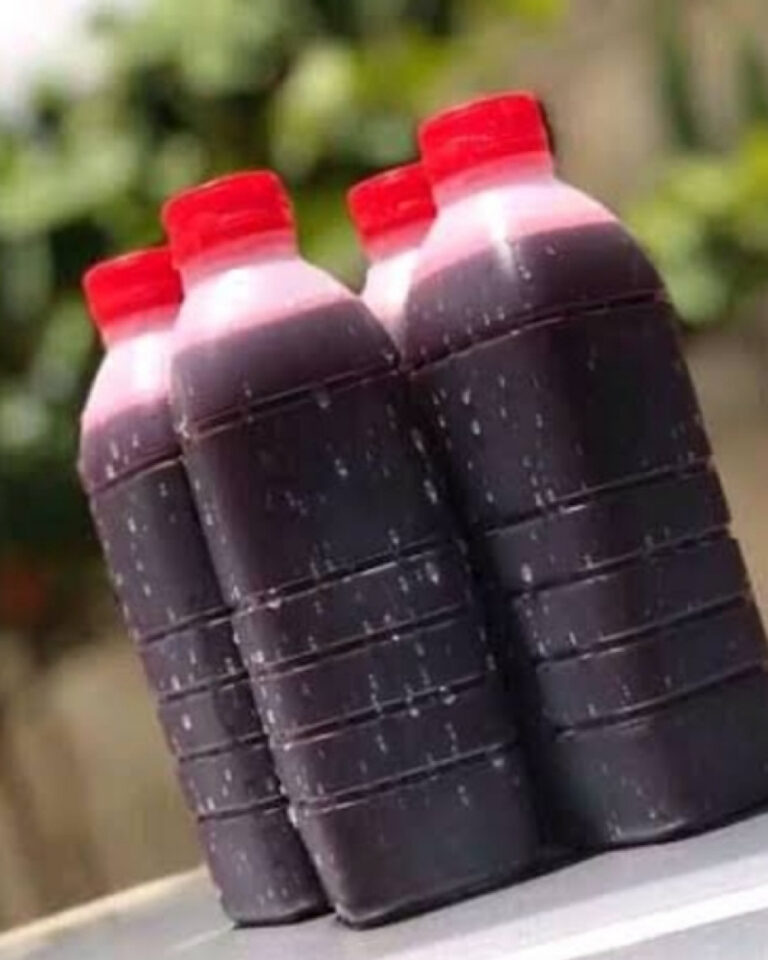
The National Agency for Food and Drug Administration and Control (NAFDAC) says locally made zobo and tigernut drinks that are packaged and labelled must be registered with the agency before they are sold. The agency says such products must pass safety checks and laboratory tests to show they are fit for human use. It warned that sellers of regulated products without registration risk seizure of their stock, closure of their production sites and prosecution. The statement follows a viral video from October 28, 2026, in which police officers in Delta State questioned a woman selling bottled zobo about the missing NAFDAC number.
A Roadside Stop That Turned Into a National Debate
In the video, an officer holds a bottle and asks whether the drink has a NAFDAC number. A man then challenges the officers, and a tense exchange follows. The Delta police spokesman defended the officers, saying they were doing their job. We do not know what happened to the woman or her drinks afterwards. One account says she was told to drop her cooler, but we could not confirm this.
What NAFDAC Says Must Be Registered, and What It Says Does Not
NAFDAC’s spokesperson, Christiana Obiazikwor, said the agency does not regulate zobo sold in an ordinary container without packaging, sealing or a label. She said that once it is packaged, sealed and labelled, it falls under NAFDAC. The agency’s later statement says the rule applies to commercially packaged products, not to every person selling freshly prepared traditional drinks. It also says the rule applies to businesses of any size. These two points matter. They mean the rule is about packaged goods, not about zobo as a drink.
Earlier Enforcement Cases Show Both the Need for Control and the Risk of Confusion
NAFDAC has acted against unsafe or unregistered drinks before. In November 2025, it shut down an unhygienic depot and sealed a drinks factory in Kaduna. An official said that, under those conditions, contamination was imminent. It has also sealed an unregistered juice company in Ibadan, according to an earlier Leadership report. In July 2026, it sealed three factories in Ogun State over banned sachet alcohol.
But enforcement has also caused confusion. In December 2024, videos showed people bursting sachet water packs at factories and on buses. The Lagos government and NAFDAC gave conflicting statements about who was responsible. NAFDAC said stopping vehicles to destroy products was unprofessional and did not match its procedures. These cases show that rules can protect consumers, and that unclear enforcement can damage trust.
Health Risks, Informal Trade and Unclear Rules: What Drives the Dispute
Drinks made from plants and grains can spoil quickly if made with unclean tools or water. A 2025 university research project reported varying bacterial contamination in ready-to-drink beverages, with tigernut drink having the highest microbial load among those tested. It is a student study and has not been independently reviewed, so it should be treated with caution. Still, it points to the kind of risk that lab testing is meant to catch.
The dispute also comes from confusion over who checks what. One commentary noted that no single law gives the police routine power to check NAFDAC numbers. It added that selling packaged food without registration is an offence under federal law, and that the Police Act requires police to enforce laws. That is one writer’s reading, not a court ruling. Many small sellers also do not know which of their products need a number.
The Wider Effects on Public Health, Small Business and Trust in Regulators
The issue touches millions of Nigerians. Drinks such as zobo are sold on roadsides, in schools and at events. If a bad batch causes illness, many buyers can be affected. Registration and testing are meant to prevent that. They also give shoppers a way to trust what they buy.
But the rules also affect livelihoods. Many small producers sell bottled drinks to earn a living. If compliance is too costly or confusing, they may stop selling or be pushed to operate informally. NAFDAC admitted that registration costs, delays and paperwork had discouraged some entrepreneurs from formalising their businesses. A national regulator needs both public safety and public trust. If people see enforcement as unfair, they may ignore the rules.
Weighing Safety Rules Against the Burden on Small Sellers
Supporters of strict registration say it protects the public. A tested, labelled product tells buyers who made it and how to complain if something goes wrong. It also gives honest producers a level field against sellers who cut corners. NAFDAC says its aim is to guide manufacturers, not frustrate them.
Critics, including many small traders, worry about cost and time. Women who sell drinks by the roadside often work with little capital. The NAFDAC micro and small business page lists a 90-working-day timeline for food registration, which can be hard for a trader who depends on daily sales. NAFDAC has responded. On November 9, 2026, its Director-General, Prof. Mojisola Adeyeye, announced a 50 percent fee cut for firms with five or fewer employees. She also announced online registration, a small business support desk, faster lab analysis, zonal office registration and shared-facility approval for similar low-risk products. These steps may help, though we have not seen evidence yet of how well they work in practice.
Practical Ways to Make Compliance Clear, Fair and Affordable
NAFDAC should publish a simple guide, in plain language and local languages, that says what needs registration and what does not. The police and NAFDAC should agree on how checks are done, with clear identification and respectful conduct, so sellers are not stopped without cause. Training for officers on the rules would reduce arguments like the one in the video.
Small producers can start by talking to NAFDAC’s support desk, using online registration and learning basic hygiene. State health offices can offer food-handling training for people who sell unpackaged drinks. Buyers can look for a registration number on bottled drinks and report unsafe products to NAFDAC. The agency should also track how fast small applications are processed, so promises turn into results.
Safe Drinks and Fair Rules Can Live Together
We believe food safety rules matter. A person who buys a bottle of zobo or tigernut drink deserves to know it is safe. NAFDAC’s stand on packaged goods is clear, and it rests on public health.
But we also believe a rule works best when people understand it. The woman in the video is one of many small sellers who work hard to feed their families. They should have an easy and affordable way to meet the rules, and officers who check them should treat them with respect. Our hope is that NAFDAC’s new support for small businesses will make that real. Safe products and fair treatment are both part of a healthy country.
Published by Ejoh Caleb