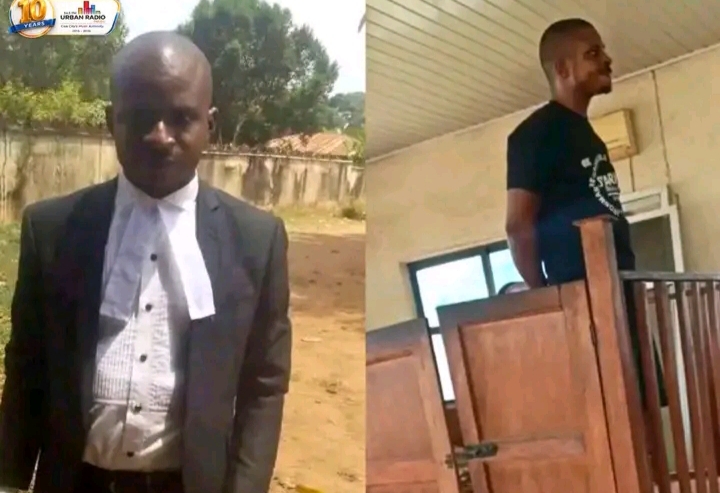
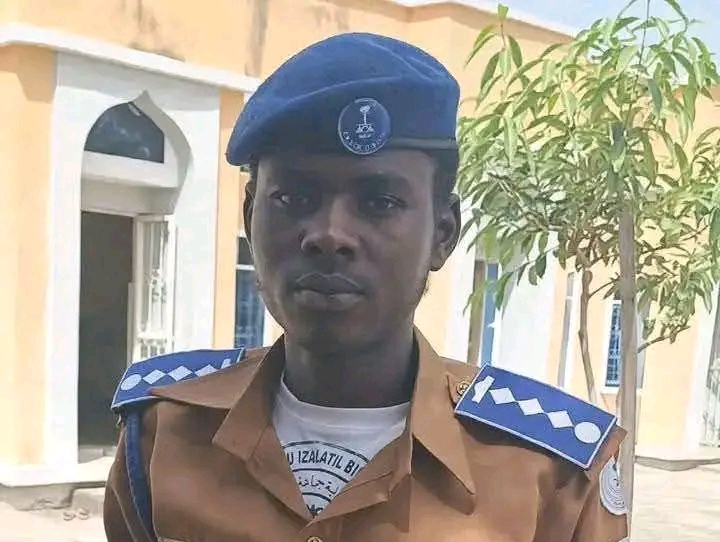
The Zamfara State Police Command has arrested a 22-year-old man, Umar Ibrahim Gandi Maradun, over a viral video allegedly containing threats of violence against Christians. Police said he is a native of Maradun Local Government Area.
Police said the video shows him with pupils from two Islamic schools. They allege that he chanted a song calling for rifles to kill Christians. Reports say the chant named Christian worshippers in Enugu and Plateau states, and that he wore the uniform of the Jama’atu Izalatil Bid’ah Wa Iqamatis Sunnah (JIBWIS), Zamfara chapter.
What the Police Say and What Is Still Open (Preliminary Findings Are Early, Unfinished Conclusions)
Commissioner of Police Bello told a press conference in Gusau that the command used its intelligence resources to identify those involved. Preliminary findings suggest the video was recorded on Friday, October 23, 2026, while the suspect was on his way to the Aliyu Ibn Abi Thalib Mosque. Police said he and others provided security there during Friday prayers and preaching.
The suspect has not yet been charged. Police said he will be charged in court when the investigation ends. The proposed charges include incitement to violence, disturbance of public peace and criminal intimidation under the Penal Code. We have not heard his side, and no one has shown that any attack followed the video. He remains innocent in law until a court decides otherwise.
The Group Responds and the Church Body Presses: Reactions That Matter
JIBWIS distanced itself from the video. Its national chairman, Sheikh Abdullahi Bala-Lau, condemned it and urged the police, the Department of State Services (DSS) and other agencies to find those involved and prosecute anyone found guilty. Police said the group first apprehended the suspect and then handed him over.
The Christian Association of Nigeria (CAN) wants a wider inquiry. Its president, Archbishop Daniel Okoh, said the threats must not be dismissed as youthful exuberance. He asked investigators to find out whether anyone encouraged, financed or helped organise the chants, and said a group’s denial cannot replace an independent investigation. He also asked Christians to stay calm and avoid reprisals. Amnesty International Nigeria expressed concern, especially about the apparent involvement of children.
Echoes of Past Violence: Why Threats Against Worshippers Are Taken Seriously (Incitement Means Urging Others to Commit Violence)
Nigerians remember what armed attacks on worshippers can cost. In August 2012, gunmen with AK-47 rifles entered the Deeper Life Bible Church in Otite, Kogi State, as a Bible study began. Nineteen people were killed. Because of events like this, a song that asks for rifles to attack worshippers cannot be treated lightly, even when it is chanted by young people.
Religious rumours and threats have also fuelled mob violence. In February 2008, a mob in Yelwa, Bauchi State, set a police station on fire after accusing a Christian woman of desecrating the Quran. A police inspector and two civilians died, five churches were burned, and Christian shops were torched. That case began with a rumour, not a plan. It shows how fast a threat, a video or a false claim can move from words to blood when fear and anger are high.
From Slogans to Bloodshed: How Hate Songs Take Root Among the Young (Radicalisation Means Being Pushed Toward Extreme Ideas)
Young people often repeat what they hear around them. A boy who joins a group, wears its uniform and marches with older youths may copy a chant without understanding its weight. That does not excuse the words. It does mean investigators should ask who taught the chant and who led it.
Many hardliners find it easy to reach young people who feel angry, poor or ignored. Insecurity in the region, where killings and kidnappings are common, adds to fear and suspicion between communities. When anger lacks a clear target, some people look for one in another faith. The police have not said what led to this video, so we avoid guessing. But experts and faith leaders widely warn that hate in songs and speeches can prepare minds for violence.
Costs to Worshippers, Families and a Divided Country
For Christians, a threat against Sunday worship brings real fear. Parents may hesitate to send children to church, and congregations may increase security at their own cost. Muslims also suffer. When a few people use a faith’s name to threaten others, ordinary Muslims face suspicion, even when their leaders condemn the act, as JIBWIS did here.
The harm reaches the whole country. Nigeria already carries scars from religious and communal violence. Each new viral threat adds to distrust and makes it harder for neighbours to cooperate. It can also invite revenge attacks, which could spread beyond the north-west. Investors, partners and visitors watch such news as well, and a country that cannot keep its worshippers safe pays a price in confidence at home and abroad.
A Firm Response and Its Limits: Weighing the Gains and Risks of Prosecuting Young Offenders (Prosecution Means Taking Someone to Court)
There are clear gains from a firm response. A visible arrest tells the public that threats of killing will not be ignored. It may also discourage others from copying the chant. It shows that police will protect all faiths, which is what the commissioner has promised.
There are also risks. If the case is handled badly, it could look like a show for the cameras. A trial that only targets one young man may leave out the people who taught the chant, or the older leaders who allowed it. Treating the pupils as criminals could also push them further from help. A fair outcome needs a proper court process, protection for the children in the video, and a search for any adults who led or encouraged them.
Roads to Trust: Joint Action by Leaders, Child Protection and Careful Sharing of Videos
Religious leaders from both faiths can act together. They can issue joint statements, visit one another’s communities and reject slogans of hate in schools and groups. Schools and religious bodies can review their youth activities, including any “security” or “first aid” groups, so that rules and training are clear. Police and the DSS should also publish the results of this investigation, so the public can see what was found.
Ordinary citizens can help too. Sharing a video of this kind can spread fear faster than facts. People should wait for official information before reacting, and should not use the clip to attack a whole faith or community.
We Condemn the Chant and Reject Collective Blame: Our Concern Going Forward
We condemn the words alleged in this video. No one should be threatened with death for how they worship, and no child should be taught to chant for guns.
We also reject collective blame. One young man’s alleged chant does not speak for all Muslims, or even for the whole of his group, which has disowned the video. The facts so far point to a single arrest and ongoing inquiries. They do not show an organised plan to attack anyone.
We urge the police to complete the investigation quickly and make the findings public. We urge CAN and JIBWIS to keep working together, and we urge Nigerians to stay calm. Our country has enough pain already. Peace between faiths depends on fairness, patience and the courage to say no to hate.
Published by Ejoh Caleb