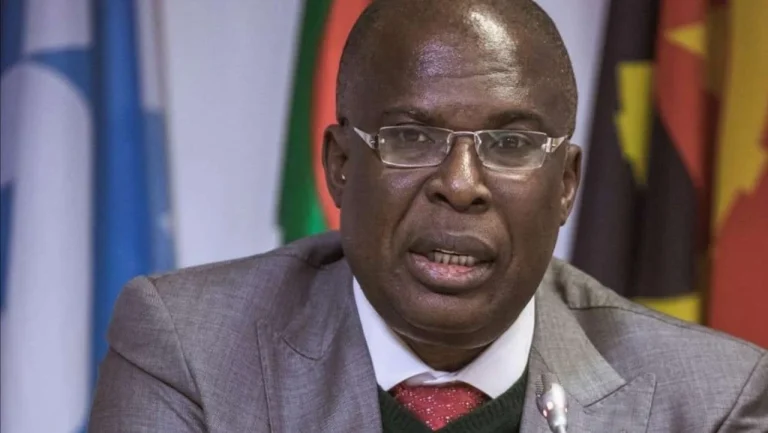

A Canada-based Nigerian doctor, popularly known as Doctor Zo, has claimed that some Nigerians may have been wrongly declared dead because of inadequate equipment and practice in hospitals. He said that as someone who worked in the Nigerian health system, he never saw an AED (automated external defibrillator, a portable device that checks the heart’s rhythm and can deliver a shock) in a hospital there. He also claimed that some doctors check for death only by seeing whether a person has stopped breathing, and may raise the patient’s hand three times and declare death even when a pulse or blood pressure is present. He recalled that a 12-year-old boy died years ago at a hospital in Abia State where he worked, because of missing equipment.
Zo was responding to a Nigerian who argued that an AED cannot prevent death when someone’s time has come. He also said he would not buy equipment for Nigerian hospitals, and urged Nigerians to vote for the right leaders, naming NDC presidential candidate Peter Obi. He cited Burkina Faso as an example of a country that improved its health system under good leadership in less than four years. These are his personal claims and opinions. We found no response from the Nigerian Medical Association or the Medical and Dental Council of Nigeria, and no data showing how often patients are wrongly declared dead.
Why His Remarks Struck a Nerve: A Singer’s Death and a Painful National Debate (Background to the Claims)
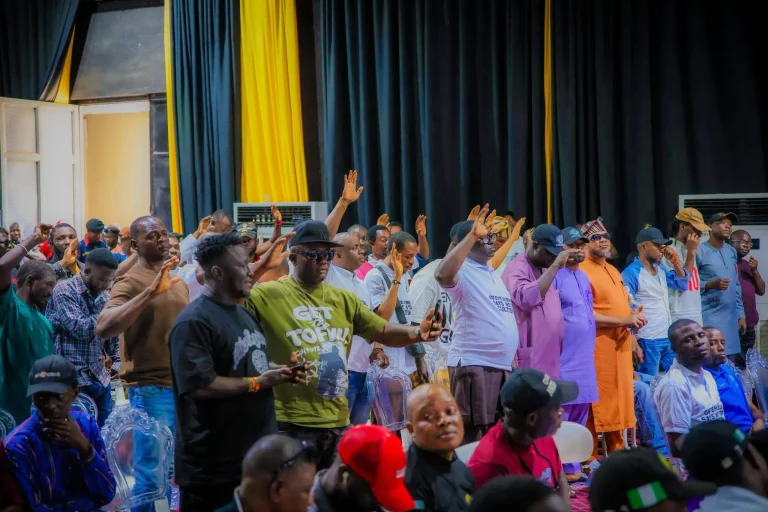
The remarks came days after the death of gospel singer Olayemi Bayonile Bolaji, known as Toluwanisings, on October 14, 2026. His family said he died in the early hours of that day. His personal assistant, Babadunni Gbolabo, said the singer collapsed and was taken to several hospitals in Ibadan, and that some cited a doctors’ strike or did not admit him. Accounts differ on how many hospitals were involved, and one report said he was confirmed dead at a third hospital after two turned him away. The cause of death has not been established in the reports we found.
Doctor Zo said an AED could have improved the singer’s chances if his collapse was caused by a heart rhythm problem that needed a shock. A report noted that no one can say whether it would have saved him without knowing his medical condition and the circumstances of the collapse. That caution applies to the whole debate.
What the Evidence Says About Equipment in Nigerian Hospitals: A Partly Supported Claim (Fact-Check on Defibrillators)
Zo’s claim about AEDs is partly backed by research, but his words describe his own experience, which is not the same as the whole country. A 2022 study of primary and secondary health facilities across all 18 local governments in Cross River State found that most had IV access devices and fluids, but only five had an AED. That study covered one state.
A separate assessment of resuscitation care in referral hospitals across Nigeria found progress in training centres and supply availability, but only 3 of 15 hospitals had a cardiac arrest response team system. So the picture is mixed. Some major hospitals have equipment but lack organised teams, while many smaller facilities lack the devices altogether.
Other voices agree that access is limited. The head of cardiology at the National Hospital Abuja said AEDs are not yet widely available in public places in Nigeria. In 2024, after a customs official slumped and died inside the National Assembly complex, the House of Representatives urged that AEDs be installed in federal institutions, schools and busy public buildings. These sources support the idea that Nigeria has an equipment gap. They do not prove that people are wrongly declared dead because of it.
The Claim About Declaring Death: A Serious Allegation Without Data (What We Could and Could Not Verify)
We could not verify Zo’s description of how some doctors confirm death, and we do not know how common, if at all, such practice is. We found no Nigerian study or official report that measures how often patients are wrongly declared dead. The cases that exist are individual accounts. One Nigerian man told Legit.ng that after a 2013 road accident in Calabar, he was pronounced dead, but a mortuary attendant insisted he was alive and a hospital then found a pulse. That is a single, self-reported story. Cases of people wrongly believed dead have also been reported abroad, for example in Kenya, where a man was found alive at a mortuary. So the problem is not unique to Nigeria.
Doctors and regulators are best placed to say whether the practice Zo describes exists, and what the rules for certifying death require. We urge them to respond and to publish their guidelines.
Health System Problems Run Deeper Than Equipment: Past Cases and Official Admissions (Earlier Cases and Official Responses)
Nigeria has had public debates over patient safety before. In January 2026, the death of Chimamanda Ngozi Adichie’s 21-month-old son led the medical council to provisionally suspend a hospital director and two other doctors after a panel found a prima facie case of negligence. The hospital denied wrongdoing. Nigeria’s health ministry admitted there were “systemic challenges” and announced a national task force on clinical governance and patient safety. That case does not involve declarations of death, but it shows that officials have acknowledged system-wide problems.
The Toluwanisings debate also touches a recurring complaint: that emergency patients are turned away. Activist VeryDarkBlackMan blamed the government for the hospital strike and said public doctors can strike while private hospitals stay open. That is his opinion. Doctors have their own explanations for strikes, often linked to pay and working conditions, and we have not examined the current dispute here.
Reading the Burkina Faso Comparison and the Call to Vote Carefully: What the Sources Do and Do Not Show (Evaluating the Politics)
Zo’s comparison with Burkina Faso needs care. Government-linked reports say the Burkinabè government cut prices of some essential generic medicines from March 2026, gave out mobile clinics, and trained more doctors. Another report says the health minister described a 12 percent share of the state budget for health and better hospital equipment. A Burkina24 review said 2025 saw the country’s first kidney transplant on its soil and the opening of a university hospital in Pala.
These are claims by officials and supportive outlets, and we found no independent assessment of results. Free care for pregnant women and children under five has existed in Burkina Faso since 2016, which predates the current government. A study found it improved access and cut costs, but not necessarily quality. So the comparison is not as simple as “less than four years of good leadership.” We express no view on any candidate. How Nigerians vote is their choice, and healthcare is one of several issues they weigh. Zo’s views are his own, and others may weigh the same facts differently.
Hospital Safety Takes Equipment, People and Rules Together: Practical Steps Forward (Possible Solutions)
First, hospitals can set clear, written protocols for confirming death, with checks that must be completed before anyone is declared dead, and a second opinion when doubt exists. This is our suggestion, and the Medical and Dental Council and the Nigerian Medical Association are best placed to decide the details. They could also tell the public what rules already exist.
Second, resuscitation capacity needs investment. The Reps’ call for AEDs in public buildings is one step. Hospitals need devices, maintenance and, as the national assessment showed, trained response teams.
Third, training should reach the public. Cardiac arrests often occur outside hospitals, and basic life-support skills help, as the head of cardiology at the National Hospital stressed.
Fourth, accountability and data. The health ministry’s task force on patient safety could track and publish figures on emergency-care failures, including wrongly certified deaths, so claims like Zo’s can be tested.
Fifth, emergency access. Hospitals, governments and doctors’ groups should work out how emergencies are handled during strikes, so that critically ill patients are never simply turned away.
Claims Should Be Tested, and Patients Should Never Be the Test Case: Our Closing Reflection (Evidence, Humility and Care)
We understand why Zo’s words are resonating. Many Nigerians have lost loved ones in rushed or under-equipped emergency rooms, and the death of a beloved singer has opened old wounds. Equipment gaps are real, and there is evidence for that.
But we should also be careful. The claim that people are being wrongly declared dead is serious, and it has not been backed by data. Doctors who work under heavy pressure deserve a chance to respond, and patients deserve protocols that protect them. We also note that no one has established what caused Toluwanisings’ death, and we should not use his case to claim certainty.
We urge the health ministry, the medical council and the medical association to answer Zo’s claims with facts and to publish the rules on certifying death. We also urge Nigerians to demand AEDs and trained teams from every level of government, whichever party is in power. We will update this story if the authorities respond.
Published by Ejoh Caleb