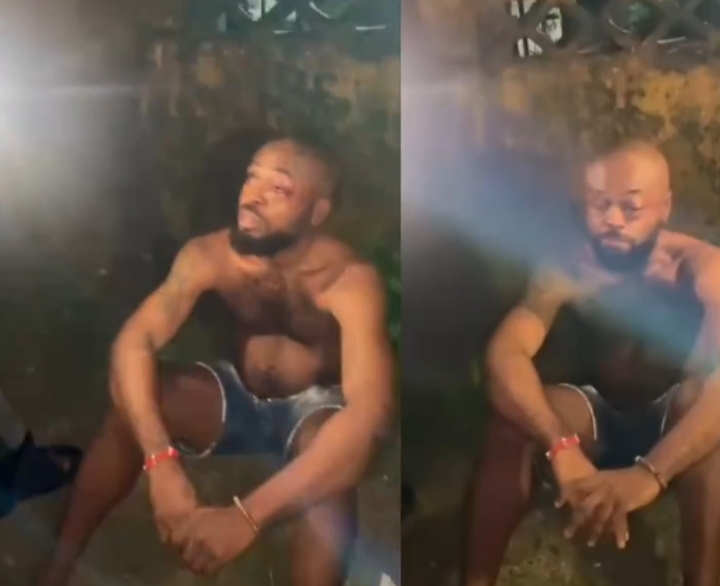
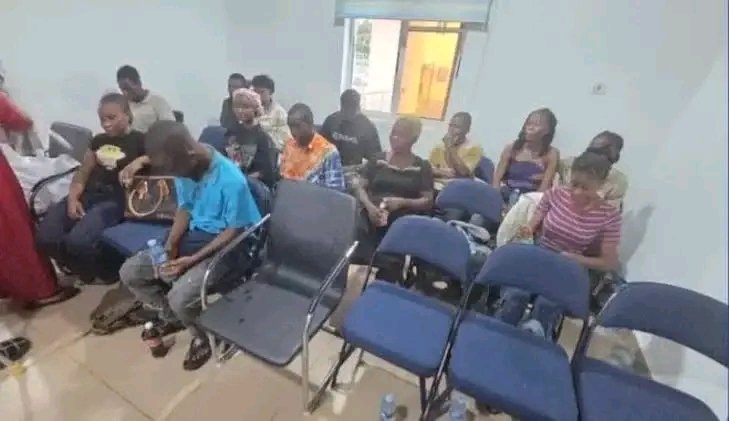
Operatives of the Department of State Services (DSS), the military and the police have reportedly arrested five suspected members of a criminal gang over the abduction of 20 prospective National Youth Service Corps (NYSC) members in Imo State. The suspects were arrested during intelligence-led operations (raids planned from gathered information) in Port Harcourt, Rivers State, and Aba South Local Government Area of Abia State, between October 10 and 14, 2026. Most reports say three other suspects escaped with gunshot injuries and a manhunt was launched. Naija News and The Star, however, say five suspects escaped, so the number is unclear. These details come from security sources, and none of the suspects has been charged or convicted.
What Happened on the Road and How the 20 Were Freed: The Background (The October 1 Abduction)
The 20 prospective corps members were travelling in two buses from Ibadan, Oyo State, to NYSC orientation camps in Bende, Abia State, and Uyo, Akwa Ibom State. Armed men abducted them on Thursday, October 1, at Ogbaku in Mbaitoli Local Government Area, along the Owerri-Onitsha Expressway. It was Nigeria’s 66th Independence Day. The Inspector-General of Police sent a Deputy Inspector-General, Shehu Nadada, to Imo State to coordinate the search.
Police announced that the victims were rescued at about 4:28 p.m. on Wednesday, October 7, at Amakohia Ubi Village in Imo State after “sustained search-and-rescue operations.” They were taken for medical checks. Imo State Governor Hope Uzodimma praised the security agencies.
A Disputed Account of How They Were Released: Ransom Claims and Denials (Unanswered Questions About Payment)
The release itself is disputed. According to a family member, one family paid ₦6 million to free their child, even though police credited a coordinated rescue. Another mother told The Nigeria Lawyer she struggled to raise ₦3 million. Another report said kidnappers first demanded ₦1 billion, then reduced it to ₦5 million per person, which would total ₦100 million for all 20.
Police have rejected the claim. Imo State’s Commissioner of Police, Audu Bosso, denied knowledge of any ransom payment. One parent later said the ₦6 million his family paid had been returned, which adds another layer to the story. We cannot verify either account. A source quoted in one report claimed no arrests had been made earlier because ransom was paid, but the arrests have now been reported. The ransom question deserves a clear answer from the authorities.
Corps Members Have Been Targets Before: Past Cases of Abducted Youth Corps Members (Earlier NYSC Kidnappings)
This is not the first time young people heading to or from service have been taken. In August 2023, eight prospective corps members travelling from Akwa Ibom to the orientation camp in Sokoto were abducted on a highway in Zamfara State. Two later regained freedom, apparently after paying ransom, and five months later, concern was mounting over those still in captivity. That case shows how long such ordeals can last.
In August 2026, gunmen reportedly abducted 15 corps members in Kogi State as they travelled from the Bayelsa orientation camp to Abuja. They had just finished camp, and a driver who was badly injured said 15 passengers were taken even though 16 people were listed on the bus manifest. The victims were freed days later, according to a statement from President Bola Tinubu. The NYSC said all 16 were recovered and that it would review its security protocols to improve corps members’ safety nationwide. Together with the Imo case, that makes at least two large corps member abductions within about six weeks.
Why Highways Keep Producing Hostages: Causes Behind the Attacks (Roots of Highway Kidnapping)
The first cause is money. Kidnapping for ransom (demanding payment for a hostage’s release) pays well, and groups that succeed once are tempted to repeat. A recent analysis in the 9th Nigeria SDG 16 Shadow Report found that at least 7,825 people were abducted in 1,713 incidents across Nigeria between July 2025 and June 2026.
The second is easy targets. Buses carrying many young people, travelling on main highways at set times, are predictable. NYSC members travel in groups and carry phones and documents that show where they are going.
The third is mobile gangs. The suspects in this case were reportedly arrested hundreds of kilometres apart in Rivers and Abia, not in Imo where the abduction took place. That suggests a network that moves, and that makes cooperation between states and agencies essential.
Fear, Debt and Distrust: The Effects of the Abduction (Consequences for Families, Corps Members and the Country)
The first effect is on the victims. Seven days in captivity can leave deep trauma, even when no one is physically hurt. They are young graduates, and many were starting a year of national service far from home.
The second is on families. Parents scrambled to raise millions of naira, according to the accounts above, or lived through days of fear. A mother told reporters she “ran helter-skelter to raise the money.” Whether or not every family paid, many say they were pushed into debt and panic.
The third is on public trust. When the police say “rescued” and families say “ransom,” people lose faith in official accounts. Honesty about what happened is part of rebuilding that trust.
For the country, the effects reach the NYSC itself. Parents may fear sending their children on long road journeys, and corps members may avoid posting to areas they see as dangerous. Highway kidnapping also raises the cost of doing business and moving around Nigeria.
Turning Arrests Into Justice and Prevention: Practical Steps Forward (Possible Solutions)
First, the suspects should be charged and tried openly. A security source said they expect the DSS to charge the suspects in court. Arrests alone do not end a network. The authorities should say who has been arrested, what they are accused of, and whether the three or five who escaped have been found.
Second, the ransom question should be answered. If money was paid, investigators can trace it. If it was not, the police can explain how the corps members were freed. Families who paid should be protected from blame and, where possible, helped.
Third, travel safety needs attention. The NYSC said after the Kogi case that it would review its security protocols. The scheme could consider escorts or safer routes for large groups, travel at safer times and clear manifests shared with security agencies. These are our suggestions, and the NYSC and the police would need to decide what works.
Fourth, highways need steady patrols and intelligence sharing across state lines, since the gang operated across several states.
Fifth, the victims need care. Counselling, medical follow-up and, where needed, flexible posting arrangements would help the 20 recover.
Arrests Are a Start, Not the Finish: Our Closing Reflection (Justice, Honesty and Safe Roads for Nigeria’s Youth)
We welcome the reported arrests. Twenty young people were taken from a public highway, and Nigerians deserve to see those responsible face justice. The cooperation among the DSS, the military and the police is a positive sign.
But we also want answers. Reports that some families paid ransom, and police statements that they knew of none, cannot both be fully true. We urge the authorities to explain how the 20 regained their freedom, and to say clearly whether the arrested men will be charged and when. We also note that the number of suspects who escaped is still unclear.
Finally, young Nigerians should be able to travel to serve their country without fear. After Kogi and now Imo, the NYSC and the security agencies owe corps members and their parents a clear plan. We will follow this story and report on the court process.
Published by Ejoh Caleb