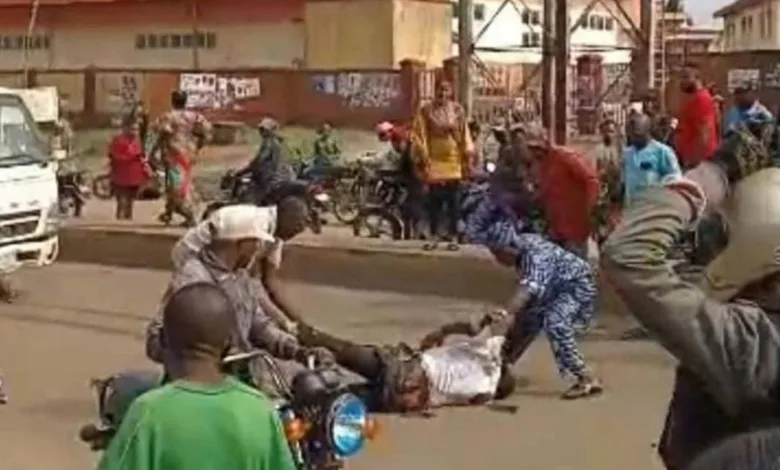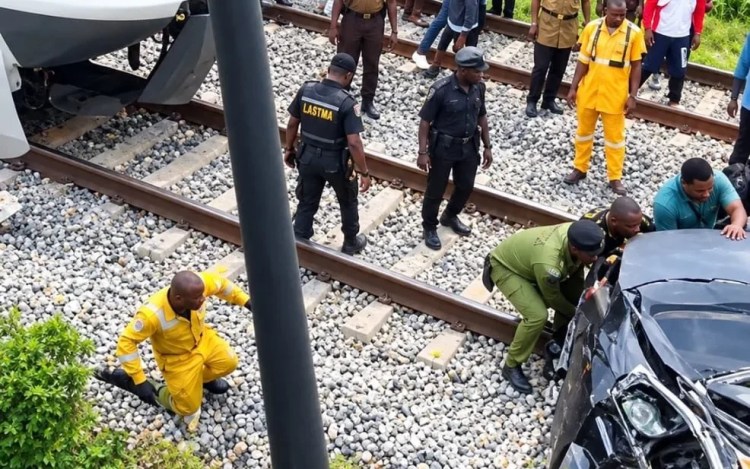
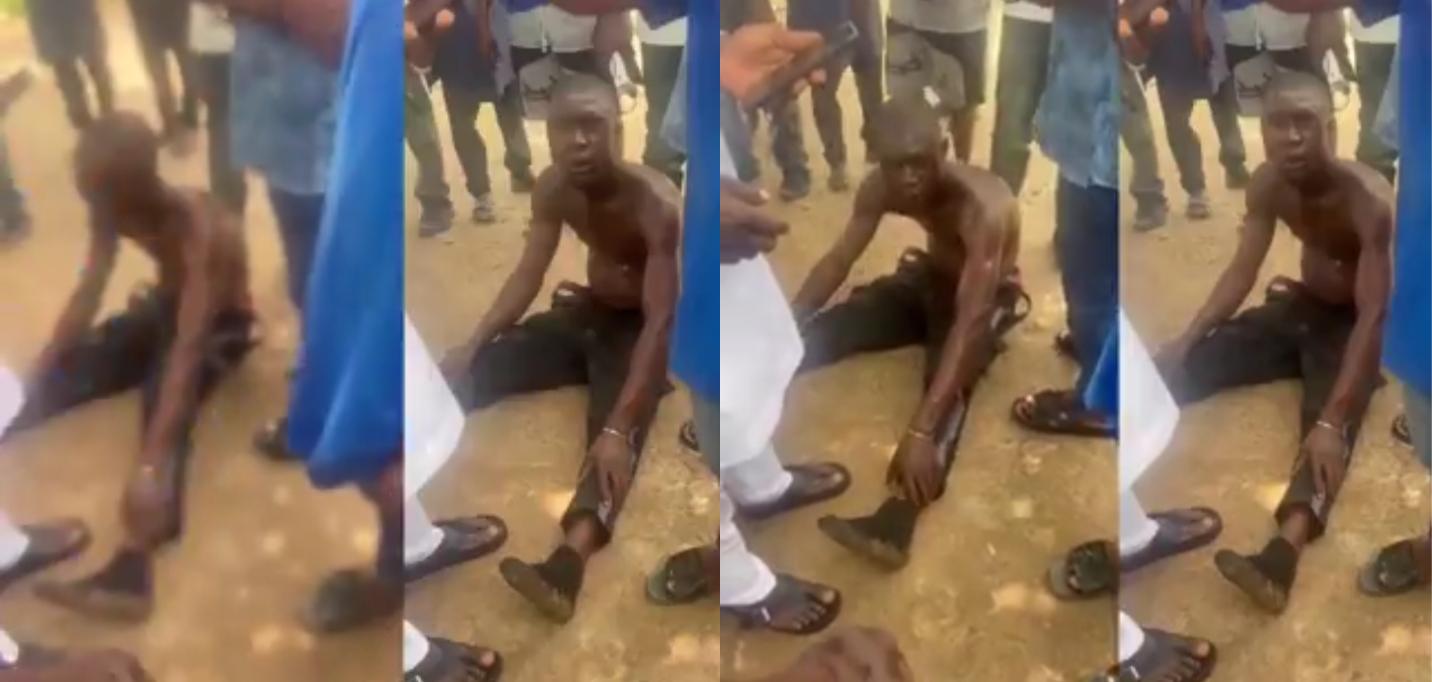
A video reportedly shows a clash between task force members and residents at G-Hostel in Abakaliki, the Ebonyi State capital. According to the report, the task force members confronted a tricycle rider over a claim that he had parked wrongly. The rider was reportedly left unconscious. People nearby then allegedly beat the task force members, and some of them fled.
We found no police statement or independent news report on this incident. We do not know the rider’s condition, who the task force members are, which agency they work for, or what really led to the clash. These are allegations drawn from a video and a post, and nobody has yet been heard.
What the report says and what it leaves out (the alleged sequence)
The report describes two separate acts of violence. In the first, task force members allegedly assaulted a rider over parking. In the second, bystanders allegedly attacked the task force members. G-Hostel Junction is a busy spot in Abakaliki near the Presco junction. We do not know whether the rider was in the wrong, whether the officers were authorised to enforce parking, or whether the first beating was as the report says. The rider’s identity and current condition are unknown.
A season of enforcement and complaints (what has been said in Ebonyi)
The incident comes at a time when task forces are active in Ebonyi. In July, shop owners in Abakaliki appealed to the state government to regulate task forces. They alleged harassment, intimidation and multiple levies, and one trader said officers damaged property and collected money without official receipts. The Chairman of the Ebonyi State Internal Revenue Service, Christopher Omo-Isu, said his office had only issued demand notices to businesses, and that the official task force begins operations in October each year. He condemned the abuses and promised to deal with offenders. It is not known whether the men in this video belong to that task force.
Similar clashes elsewhere and in Ebonyi (past cases and outcomes)
A tricycle rider’s death in Enugu, one state away, is a recent example of how such disputes can end. A rider identified as Friday Ani was reportedly killed on September 30 after an altercation with revenue enforcers at the Garriki Terminal. Hundreds of tricycle operators then protested, and the opposition party that raised the case alleged that he was hit on the head because a passenger alighted outside the terminal. Those are allegations, and the authorities’ side was not available in the report.
In Abakaliki itself, the police detained some of their own officers after a motorcycle rider was fatally shot on January 27, 2026, near the Spera-in-Deo flyover. The police said an officer “unprofessionally” fired a shot into the air, and the bullet hit the rider. The command has also acted against mob violence. In July, it arraigned three people over a mob attack on a woman at the International Market, Abakaliki, and the Commissioner of Police vowed zero tolerance for jungle justice.
Together, these cases show two truths. Officers who abuse their power can be detained, and mobs who take the law into their own hands can be charged. Neither side is above the law.
Money, power and anger (what drives such clashes)
Task forces often work under pressure to collect revenue or clear roads, and the people they meet may see them as extortionists, whatever their instructions. When there is no clear way to complain, anger can build. A single dispute over parking can then become a flashpoint, especially when a crowd gathers and a rumour spreads.
Riders and traders also rely on daily income, so a fine, a seized item or a delay can feel like a threat to their livelihood. Where trust is low, people may be quick to defend one of their own.
Injury, fear and a worse cycle (effects)
If the rider is badly hurt, he may need urgent care and may be unable to work. The task force members who were beaten may also be injured. The community faces disruption, and traders and riders may fear further clashes or crackdowns.
At the wider level, a spiral of violence undermines the rule of law and puts revenue collection and public order at risk. It also fuels the belief that justice is available only through force.
Breaking the cycle (possible solutions)
The police should investigate both attacks, identify those who took part, and prosecute anyone found to have broken the law, whether they wore a uniform or not. The rider should receive medical care, and any task force members who are injured should too. The Ebonyi government should say who the task force members were, what their instructions are and whether any were suspended.
Longer term, the state can publish a clear list of lawful charges and parking rules, give task force members identification and training, and set up an independent channel for complaints. Riders’ unions and traders’ groups can work with officials, so that disagreements are settled by talking. Residents should call the police and avoid joining mobs.
Both beatings were wrong, and both need answers (our view)
We do not know the facts. If the rider was beaten into unconsciousness over a parking dispute, that is a serious abuse. If officers were then beaten by a crowd, that is also a crime. One wrong does not justify another.
What would help most is a prompt, public account from the Ebonyi Government and the police: who the officers were, what the rider’s condition is, and what is being done. We hope the rider recovers, that those responsible face the law, and that the state will use this moment to set clearer rules for enforcement.
Published by Ejoh Caleb