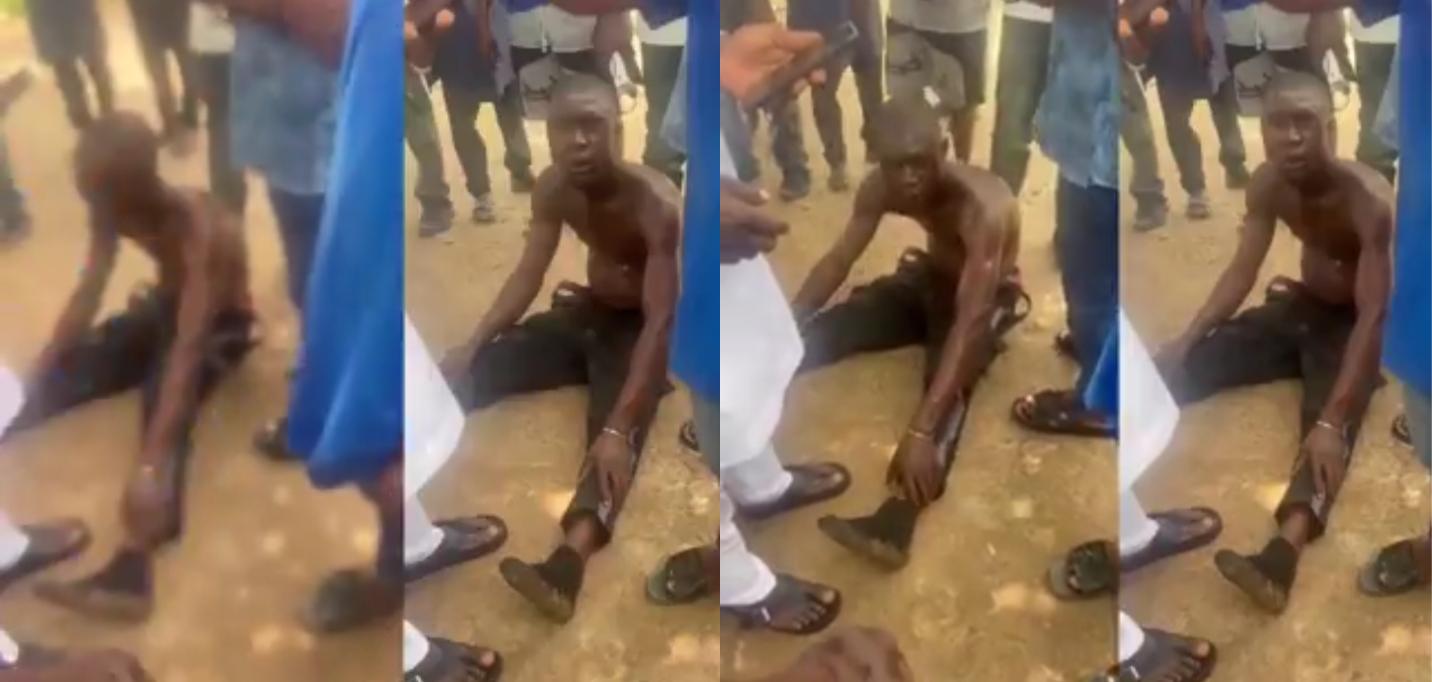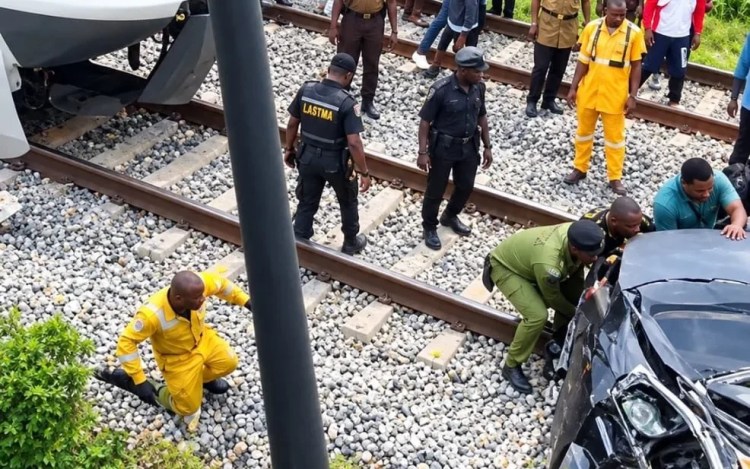
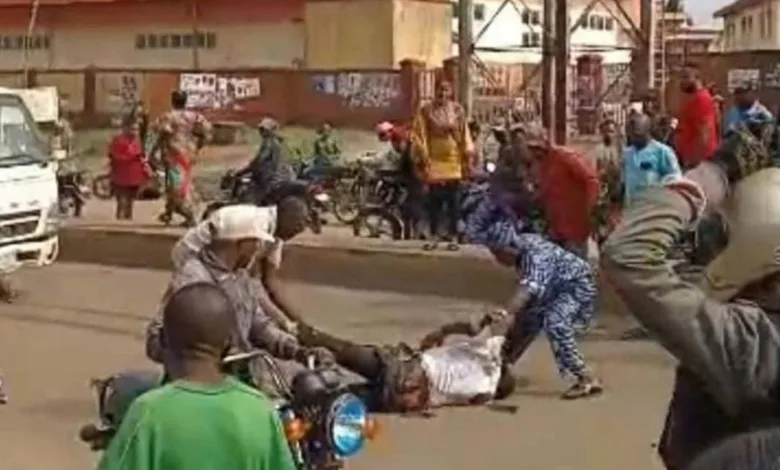
A Vehicle Inspection Office (VIO) officer has died after being hit by a vehicle on Hospital Road, opposite Mega Primary School, in Akure, the Ondo State capital. The VIO is the state agency that checks vehicle documents and roadworthiness. The Ondo State Police Command confirmed the death of the officer, Sesan Adediji, 35, in a statement on Friday, October 9, 2026.
Police say the incident happened at about 9:30 a.m. They say the officer was on routine patrol with his team and flagged down the vehicle to inspect its documents.
What the police say happened (the preliminary account)
According to the police spokesperson, DSP Abayomi Jimoh, the driver “initially stopped but allegedly drove off when asked to produce the relevant documents, hitting the VIO official in the process.” The officer suffered serious head injuries and was rushed to the Federal University of Technology, Akure (FUTA) Teaching Hospital, where a doctor confirmed his death. His remains were deposited at the hospital mortuary for preservation and autopsy. The police said a 37-year-old driver has been arrested and detained, and that preliminary investigations are ongoing. The Commissioner of Police, Felix Ohagwu, sent his condolences to the family, colleagues and associates of the deceased.
The driver has not been charged, and he is presumed innocent. We have not named him, because the case is still at an early stage.
Where the accounts differ (truck, van and what the officer did)
Several reports from the scene describe a truck. Eyewitnesses told reporters that the officer tried to intercept a truck that was already in the fast lane, and that it was too late for the driver to stop. They said the officer became trapped under the vehicle, while residents and his colleagues shouted in panic. The police statement instead refers to a white Mitsubishi van. Another outlet described the incident as a hit-and-run, saying that the driver fled the scene.
These accounts do not fit together. One says the driver could not stop in time. The police say he stopped and then drove away. The type of vehicle is also different. The video we have not seen may help, and the police investigation and an autopsy should establish the facts.
Drivers who fled, and what courts did (past cases)
Officers who flag down vehicles have been killed or injured before. In January 2026, the Lagos State High Court sentenced a truck driver, Okpara Kingsley Onyekachi, to life imprisonment for killing a Federal Road Safety Corps (FRSC) officer on duty at Orile-Iganmu on November 16, 2023. The court found his conduct grossly negligent, reckless and unlawful, rejected any claim that it was an accident, and convicted him of involuntary manslaughter. That is a killing without planning, but through recklessness. The case took about two years and two months.
Other cases ended with lighter penalties. In July 2026, a motorist in Abuja allegedly accelerated, knocked down an FRSC marshal and hit a patrol vehicle after being flagged down. A magistrate court ordered two weeks of community service and ₦1.08 million in financial liabilities. In September 2026, another Abuja motorist was jailed for three weeks, with an option of a ₦30,000 fine, for offences including assaulting a marshal and resisting arrest.
These cases show how different the outcomes can be, depending on the charge and the court. The Akure case could go either way, depending on what the evidence shows about the driver’s intent and actions.
Pressure on both sides of the road (what can lead to such incidents)
Officers who flag down moving vehicles stand in the path of fast traffic, often without barriers, and a split-second decision can be fatal. Drivers who lack valid papers, or fear fines, may be tempted to speed away rather than stop. When enforcement is also linked to fines and money, tension can run high on both sides.
We do not know whether the driver had valid papers, why he reportedly drove off, or whether the officer was in a safe position. Those are questions for the investigation.
A family bereaved and a workplace in mourning (effects)
The first loss is a 35-year-old man, and a family who must now cope without him. His colleagues, some of whom watched it happen, are in shock. For the driver, the effects could include a long legal process and, if proved, a heavy sentence.
At the wider level, such deaths raise questions about the safety of roadside enforcement and the respect that drivers show to officers. They also remind every road user that a decision to speed off from a check can end in tragedy.
Safer checks for officers and drivers (possible solutions)
The police should complete the investigation quickly, make the findings public, and prosecute according to the evidence. Video from the scene and from nearby cameras should be secured. The family should receive support and the benefits due to them.
For future safety, the state can review how checks are carried out. Officers can use barriers, cones or a second team further down the road, and avoid stepping into the path of moving vehicles. Digital tools such as number-plate cameras can reduce the need to stop every vehicle. Drivers should stop when lawfully directed, and settle any dispute afterwards, through the proper channels.
Fairness for the dead and the accused (our view)
We offer our condolences to the family and colleagues of Sesan Adediji. He died on duty, and his death should not be forgotten.
We also urge caution, because key facts are still disputed. The police say the driver drove off after being asked for documents, while eyewitnesses describe a truck that could not stop in time. A fair trial needs evidence, not guesses, and online comments that blame the officer or the driver add little. We hope that the investigation will establish the truth, that those responsible will be held accountable, and that the state will use this tragedy to make roadside checks safer for everyone.
Published by Ejoh Caleb