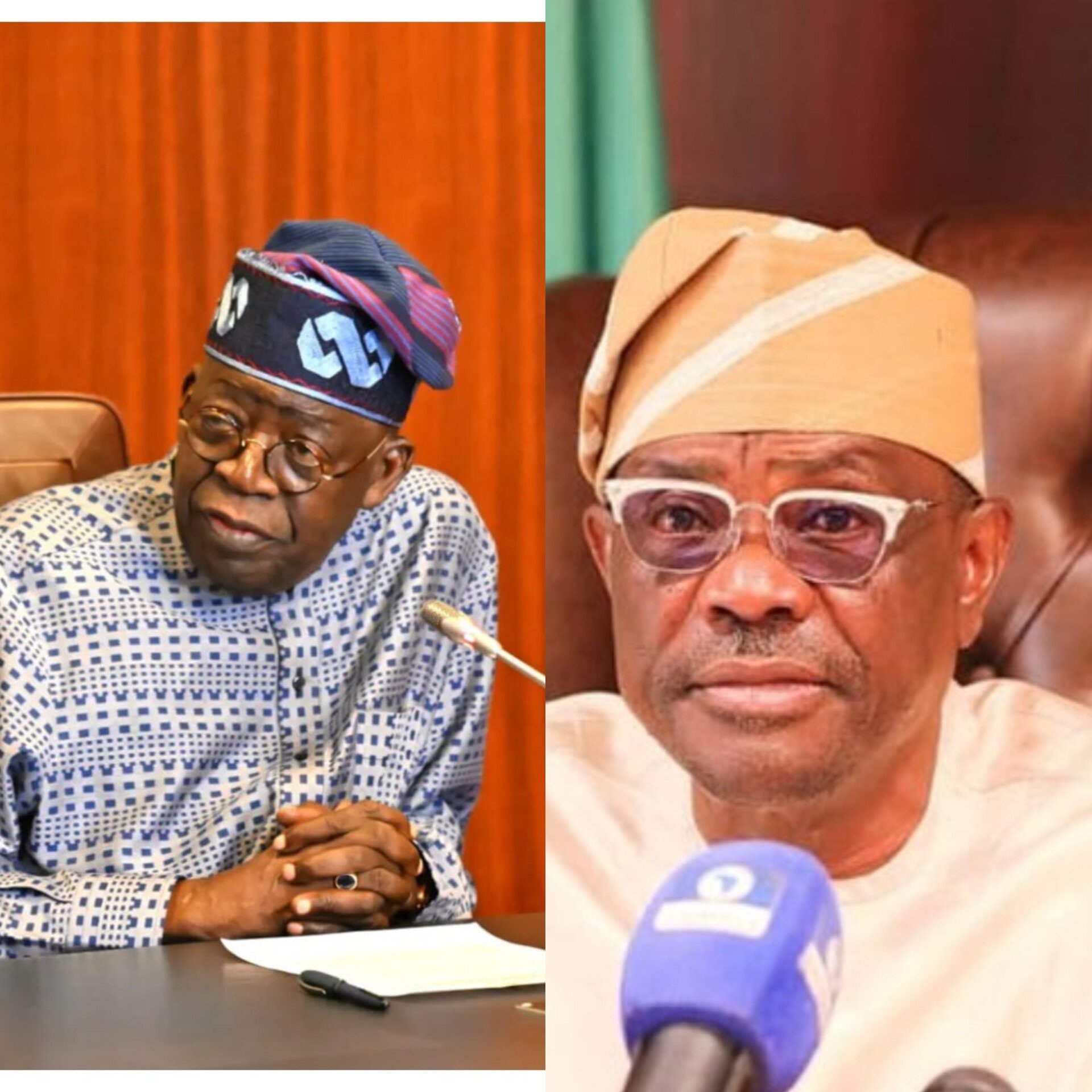
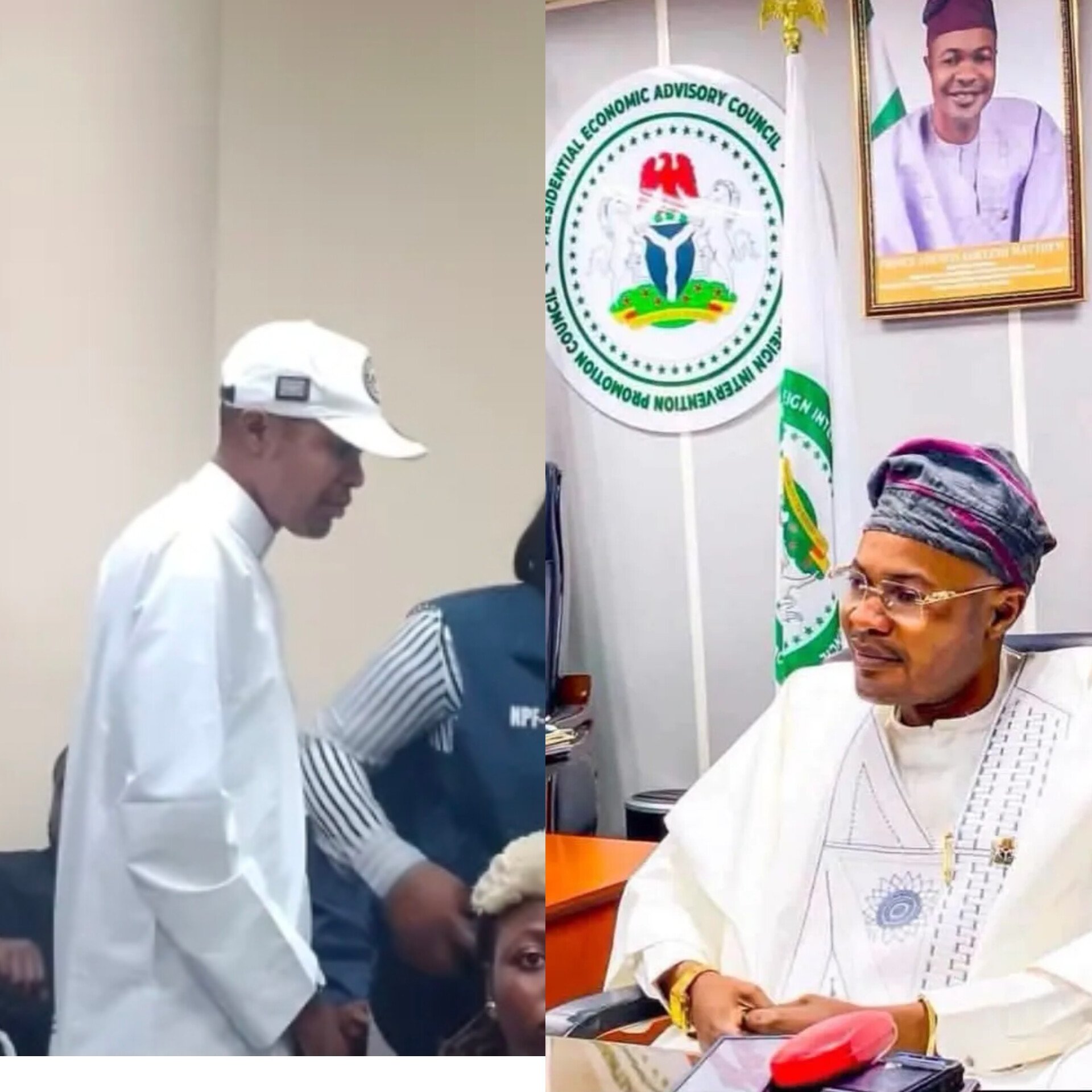
Adeniyi Adeyemi, the man accused of creating and running a purported government agency, has appeared before the Federal High Court in Abuja for arraignment after several failed attempts. A female officer of the Nigeria Police Force National Cybercrime Centre led him into court at about 2:33 p.m. on Wednesday. He wore a flowing white outfit and a white baseball cap, and he looked cheerful but kept his head down.
The case was filed in November 2025, after police arrested him in October 2025 following a petition by the Chief of Staff to President Bola Tinubu, Femi Gbajabiamila. Adeyemi and two others, named only as Femi and Anu and said to be at large, face eight counts of conspiracy, forgery and impersonation.
What happened in court (plea, remand and next date)
Adeyemi, 38, pleaded not guilty to every count. The court ordered him held at the Kuje Correctional Centre until his bail application is heard. His next court date is October 12.
The case is now being led by the Attorney-General of the Federation’s office. The Director of Public Prosecutions, Rotimi Oyedepo, a Senior Advocate of Nigeria, appeared for the Federal Government.
What he is accused of (the charges)
Prosecutors say Adeyemi presented himself as Director-General of the Presidential Foreign Investment Promotion Council (PFIPC), a body the Presidency says it did not establish. Some outlets name it the Presidential Foreign Intervention Promotion Council, so the spelling should be checked against the charge sheet. The alleged forgeries include a presidential appointment letter said to be signed by Gbajabiamila, State House letterheads, requests for office space and staff accounts, and letters seeking collaboration with a federal ministry.
According to court filings, the purported agency still got office space inside the Federal Secretariat and a budget allocation of about $1 million this year. It also tried to open accounts at the Central Bank of Nigeria, and several government bodies processed its requests believing it was real. Prosecutors have not accused any government official of conspiring with him.
Why it took so long (the failed arraignment attempts)
Earlier dates failed for several reasons, including requests by his lawyers, his absence from court and a judge’s official engagement elsewhere. After he missed a hearing, the judge issued an arrest warrant. His lawyer told the court he stayed away because he feared for his life and had written an open letter to President Tinubu. Reports say he was later arrested in Osun State after failing to appear five times.
His side, and the wider controversy (what is disputed)
Adeyemi has denied the charges. He has also accused Gbajabiamila of making conflicting statements about the PFIPC, and alleged that ₦400 million was paid through intermediaries in connection with his purported appointment. These are his allegations and have not been proved.
Gbajabiamila has said his signature, seals and reference numbers were forged, and he has denied knowing Adeyemi. A House of Representatives report published on August 8 found that Adeyemi was never appointed by any authority of government and should be prosecuted. The Reps also cleared Gbajabiamila of wrongdoing. The Presidency has denied that the council is an established agency, and the Independent Corrupt Practices and Other Related Offences Commission (ICPC) was directed to investigate. Gbajabiamila has also filed a separate ₦15 billion suit against Adeyemi over alleged bribery.
Past cases of impersonation and forged government papers (what justice looked like)
Nigeria has prosecuted impersonation before, with mixed results. In May 2022, the FCT High Court convicted former House of Representatives member Chuma Nzeribe of impersonation, possessing Federal Government documents and fraudulently acquiring property in Maitama, Abuja. A Premium Times headline later reported that the Chief Judge freed him about two months into a seven-year jail term. That shows that a conviction does not always mean a long sentence is served.
In July 2026, the FCT High Court in Jikwoyi convicted two men, Haruna Mamuda and Sadiq Umar, after they pleaded guilty to impersonating officers of the Economic and Financial Crimes Commission to defraud people. Sentencing was fixed for July 22. The outcome of that sentencing is not in the report we found.
These cases involved individuals posing as officials. The PFIPC case is different in scale. It alleges a whole agency, with an office, a budget and dealings with government bodies.
A gap in the checks (how it could have happened)
If the allegations are true, the case points to weak checks. Government offices appear to have accepted official-looking documents, including letterheads and reference numbers, without confirming them at the source. In a system where letters carry power, a forged letter can open doors quickly.
Public money and public trust (effects on the country)
The case raises a question about public funds. A budget line of about $1 million for an agency the Presidency says does not exist is a serious concern. It also affects trust in government. If citizens, investors and businesses cannot tell a real agency from a false one, they may be exposed to fraud. The Nigerian Investment Promotion Council reportedly complained in 2025 that the PFIPC was working at cross-purposes with it. Abroad, stories like this can damage Nigeria’s image as a place to do business.
Closing the loopholes (possible solutions)
Government can keep a public list of every legally established agency, with its enabling law or gazette. Offices that approve budgets, space or accounts should confirm a new body with its supposed source, instead of relying on letters. The Accountant-General’s office and the Central Bank can add checks before opening accounts in the name of any agency. Staff who process such requests should be trained and held responsible for skipping checks.
The courts also have a role. A fair and quick trial will tell the public what really happened. If the allegations are proved, penalties should be clear. If they are not, the defendant should be freed.
A trial must answer how it happened
We believe this case matters beyond one man. Adeyemi is presumed innocent until a court decides otherwise, and his claims about how the agency came about should be heard and tested. But the facts that are not in dispute are troubling. A body the Presidency says does not exist reportedly got an office, a budget line and dealings with several agencies.
Whatever the verdict, the trial should answer a bigger question: how did requests from a purported agency pass through so many hands? If the answer is weak verification, then fixing it is as important as punishing anyone. We hope the court and the ICPC will give Nigerians a clear account.
Published by Ejoh Caleb