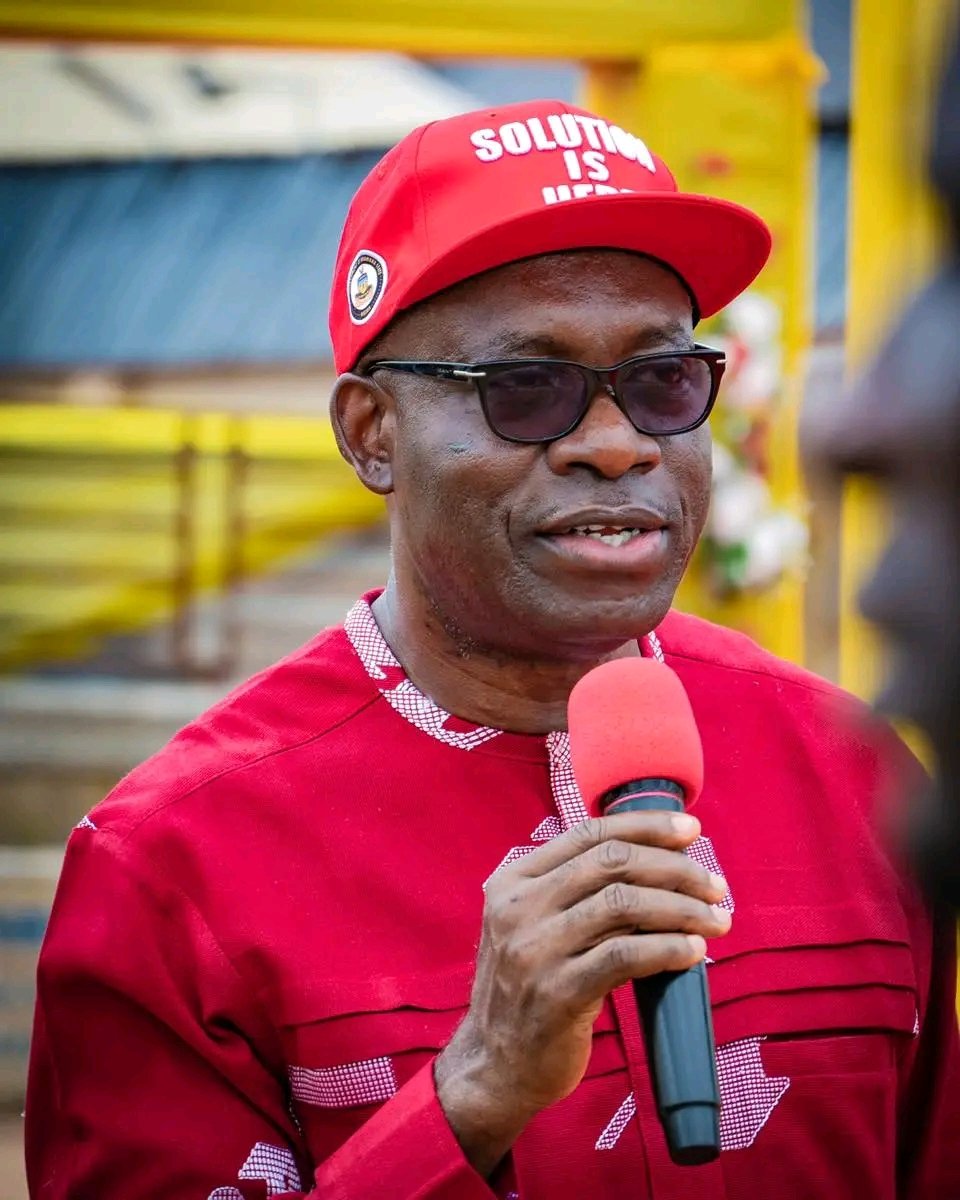
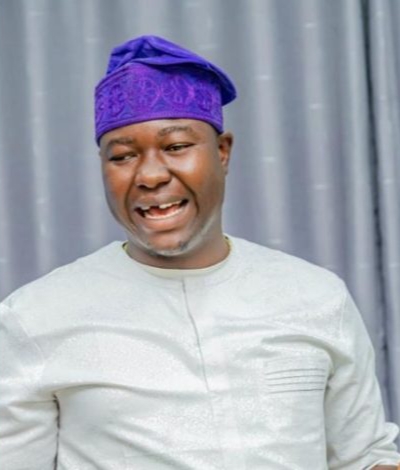
Hon. Paschal Okoro, popularly called Ajangwo, is the councillor for Avu/Oforola Ward 1 in Owerri West, Imo State. He was filmed pulling down opposition party banners around Avu Junction and declaring that “no other political party should operate in Avu.” He later reportedly told Chinonso Uba that he was creating social media content to make money. Uba shared their exchange after confronting him.
The police have said they will look into the matter. There is no confirmed report that the councillor has been arrested.
What the video shows (a public official acting as if a ward were private property)
The video was recorded on Friday, September 25, 2026. It shows the councillor, who is also Chief Whip of the Owerri West Legislative Council, removing banners while onlookers watch. Torn materials were left scattered around the junction.
The Sun reports that the banner belonged to a candidate of the Action Alliance (AA). It says he declared that the ward was reserved for the Majority Leader of the Imo State House of Assembly, Rt. Hon. Kanayo Onyemaechi, who is seeking the seat for a third time. In the video he is heard saying he was “matching a State order.” Another outlet reported that he cited an “order from Abuja,” so the two accounts of what he said differ. The source of any such order is unexplained, and no one has confirmed that one exists.
A sudden change of story
After the video spread and the police promised to investigate, the councillor reportedly changed his explanation. Source says he now claims the act was staged for content creation.
According to Uba, he confronted the councillor after the incident. Uba said: “I have warned all these APC supporters in Imo State. Since they don’t know what democracy is, why can’t they respect themselves?”
The claim raises its own questions. The video shows a councillor speaking about a “State order” and reserving the ward for one politician. Those words are hard to square with a harmless skit. The claim also does not remove the harm. Even if the banners were destroyed for views, they were still real materials belonging to a real party.
What the police have said
The Imo State Police spokesman, Henry Okoye, said the police would investigate. He said: “Necessary action will be taken on this matter.” He also urged politicians to follow the rules and uphold fairness and accountability.
Not the first incident (past cases of attacks on opposition materials)
This is not the first such report in Imo this year. In July, unidentified men attacked the state secretariats of the Young Progressives Party (YPP) and the All People’s Party (APP) in Owerri. They destroyed billboards and reportedly tried to enter the premises. The YPP chairman said the matter was reported to the police. The APC in the state said the incident looked stage-managed. Both sides made claims, and no one has proven them.
The problem is also not one-sided or limited to Imo. In Osun, the Imole Campaign Council accused APC loyalists of destroying billboards of Governor Ademola Adeleke ahead of the August governorship election. In Delta, Aviation Minister Festus Keyamo alleged that opposition thugs destroyed President Tinubu’s campaign posters in his community. These are allegations, and the accused parties have their own accounts. Together they show a pattern of political rivals treating each other’s materials as targets.
Politics as territory (why such acts happen)
Several forces drive this. Election season raises tempers, and local officials often see their ward as their own base. Some politicians also believe that loyalty to a party or a big man will protect them from consequences. When action is slow, others feel free to copy them.
The councillor’s own words point to this mindset. Reserving a whole ward for one politician treats voters as property. A political analyst quoted by Starconnect Media, Dr. Chinedu Eke, said no councillor or local figure owns a junction, a ward, or the right of other parties to exist. He noted that local council officials have no legal power to bar political activity in their communities.
What it costs Imo and Nigeria (effects on democracy and public trust)
Locally, opposition parties and their supporters may feel unsafe showing their colours. Voters may hear only one side. Communities may also see clashes if supporters of different parties retaliate. Residents of Avu have already called on the APC and the police to step in before tensions grow.
For the country, the damage is wider. Nigeria’s Constitution guarantees the right to form and join political parties. When officials act as if that right does not exist, faith in elections drops. Foreign observers and investors also watch how Nigeria treats political competition. A viral video of a serving councillor tearing down rival banners does not help the country’s image.
Steps that can restore confidence (possible solutions)
The police should complete the investigation quickly and publish the result. That includes establishing who, if anyone, gave the “order” he mentioned. Political parties, including the APC, should state clearly that their members must respect rivals’ materials, and they should discipline members who do not. The Independent National Electoral Commission (INEC, the body that runs elections) and party leaders can also agree on clear rules for where and how campaign materials may be displayed. Finally, offences of this kind should be treated the same way no matter which party the offender belongs to.
Content is no excuse for conduct
We are careful about this case. The police probe is still open, and the councillor has the right to explain himself. But an elected official has to be judged by what he did and said on camera. He spoke of a “State order” and declared that no other party may operate in a ward. Calling it “content” afterwards does not change those words.
We also believe the response matters as much as the act. If the police investigate openly and the party takes a clear stand, this can be a lesson. If nothing happens, the message to other local officials is that such conduct costs nothing. Nigeria’s multiparty democracy depends on every party being free to campaign, and the people who hold office should protect that freedom.
Published by Ejoh Caleb