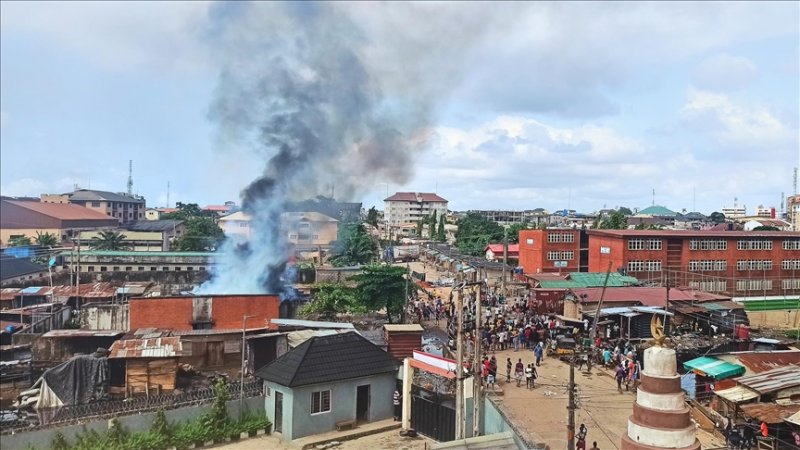
Sustained gunfire and heavy explosions rocked several parts of Niamey, the capital of Niger Republic, in the early hours of Saturday, with witnesses reporting fighting near the city’s international airport, a military base and the presidential palace.
According to witnesses, the violence began around 1 a.m. and included heavy exchanges of gunfire around the presidential complex, while a resident told AFP that explosions were also heard around Base 101, a major military installation located within the airport complex. A video circulating online reportedly showed panicked residents as gunfire and explosions continued, with one person in the footage appearing to have been struck, though this could not be independently verified.
By Saturday morning, Niger’s ruling military government had not issued an official statement, and no casualty figures had been confirmed. A member of Niger’s Consultative Council, Bana Ibrahim, described the incident on Facebook as another attack on the country. It reported that the attack lasted roughly two hours before calm returned, making it the third such incident targeting the capital this year.
A Capital Under Repeated Attack: Niamey Has Faced This Before, Twice This Year Alone
Saturday’s attack is not an isolated event. In late January, a similar burst of heavy gunfire and explosions struck the area around Niamey’s Diori Hamani International Airport, an attack that was later attributed to the ISIL/ISIS affiliate operating in the Sahel region. In June, a second attack on the same airport was linked to Jama’at Nusrat al-Islam wal-Muslimin (JNIM), an al-Qaeda-affiliated group active across the Sahel.
Niger has been governed by a military junta since soldiers overthrew elected President Mohamed Bazoum in July 2023. Since then, the junta, led by General Abdourahamane Tchiani, has distanced itself from Western allies and deepened ties with Russia, following a pattern shared by military governments in neighbouring Mali and Burkina Faso. Together, the three countries withdrew from the West African regional bloc ECOWAS last year, further isolating the Sahel from coordinated regional security efforts at a time when jihadist attacks in the region have been intensifying.
Why Niger Keeps Being Targeted, And Why It Should Worry Nigeria
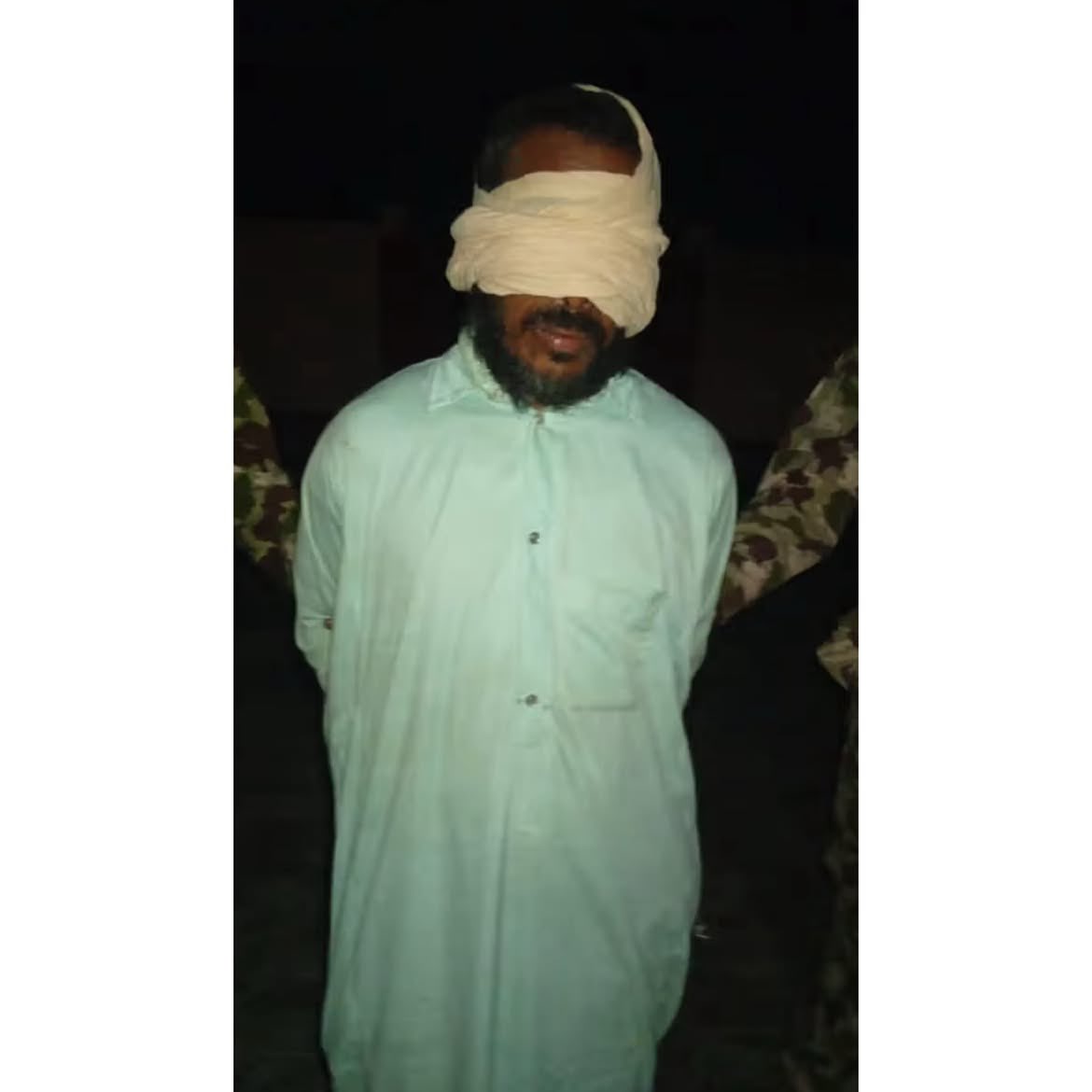
Analysts attribute the repeated attacks on Niamey to a worsening security crisis across the Sahel, where armed groups linked to both al-Qaeda and the Islamic State have expanded their reach and grown bolder, increasingly striking at symbolically important targets like international airports and government buildings rather than remaining confined to rural areas. Saturday’s attack also came shortly after a reported prisoner exchange involving a jihadist coalition and the three Sahel junta states, raising questions about whether the timing was connected.
For Nigeria, instability in Niger is far more than a distant news story. The two countries share a long, porous border across Nigeria’s northern states, a region already battling Boko Haram, banditry and cross-border arms and human trafficking. A weakened, distracted government in Niamey makes it harder to control that border from the Nigerien side, potentially giving armed groups more room to move fighters, weapons and stolen resources across into Nigeria’s own troubled northwest. Niger’s exit from ECOWAS has also disrupted trade and security cooperation that Nigeria’s northern states, and the wider region, had long relied on. Former Nigerian senator Shehu Sani has renewed calls for Niger and its fellow Sahel states to return to ECOWAS following the latest attacks, arguing that regional cooperation is needed now more than ever.
Rebuilding Regional Cooperation May Be The Only Real Fix
Security analysts have long argued that no single Sahel country can defeat these jihadist networks alone, given how easily fighters and weapons move across the region’s shared, often poorly monitored borders. Some regional experts believe restoring intelligence-sharing and joint military cooperation between Niger, its Sahel neighbours and ECOWAS members like Nigeria, even outside full ECOWAS membership, would improve the odds of containing these groups before they grow stronger.
For Nigeria specifically, security experts have repeatedly urged stronger investment in monitoring and securing its own northern border, regardless of what happens politically between Niger and ECOWAS, since instability next door has a way of eventually crossing over, as it already has with Boko Haram and armed banditry in the northwest.
A Neighbour’s Crisis Rarely Stays A Neighbour’s Alone
Watching gunfire and explosions rock a capital just across Nigeria’s northern border is unsettling, even from a distance. Niger’s turmoil has already shown, through the spread of armed groups and disrupted trade, that a crisis next door does not respect a map’s borders.
We think this latest attack should be read by Nigerians as more than a foreign headline. Whatever the political disagreements behind Niger’s exit from ECOWAS, security cooperation across West Africa’s shared, dangerous borders serves Nigeria’s own interests as much as Niger’s. Until that cooperation is genuinely rebuilt, attacks like Saturday’s are likely to keep happening, and Nigeria’s own northern communities will keep living with the consequences.
Published by Ejoh Caleb