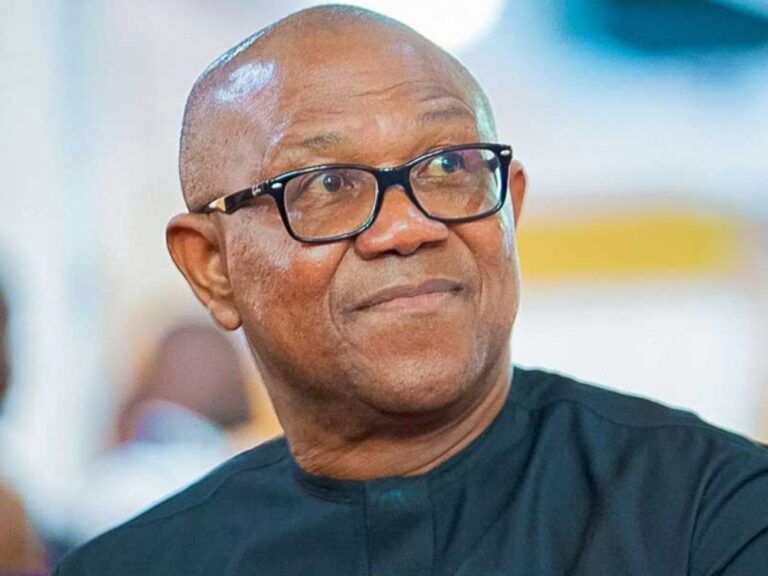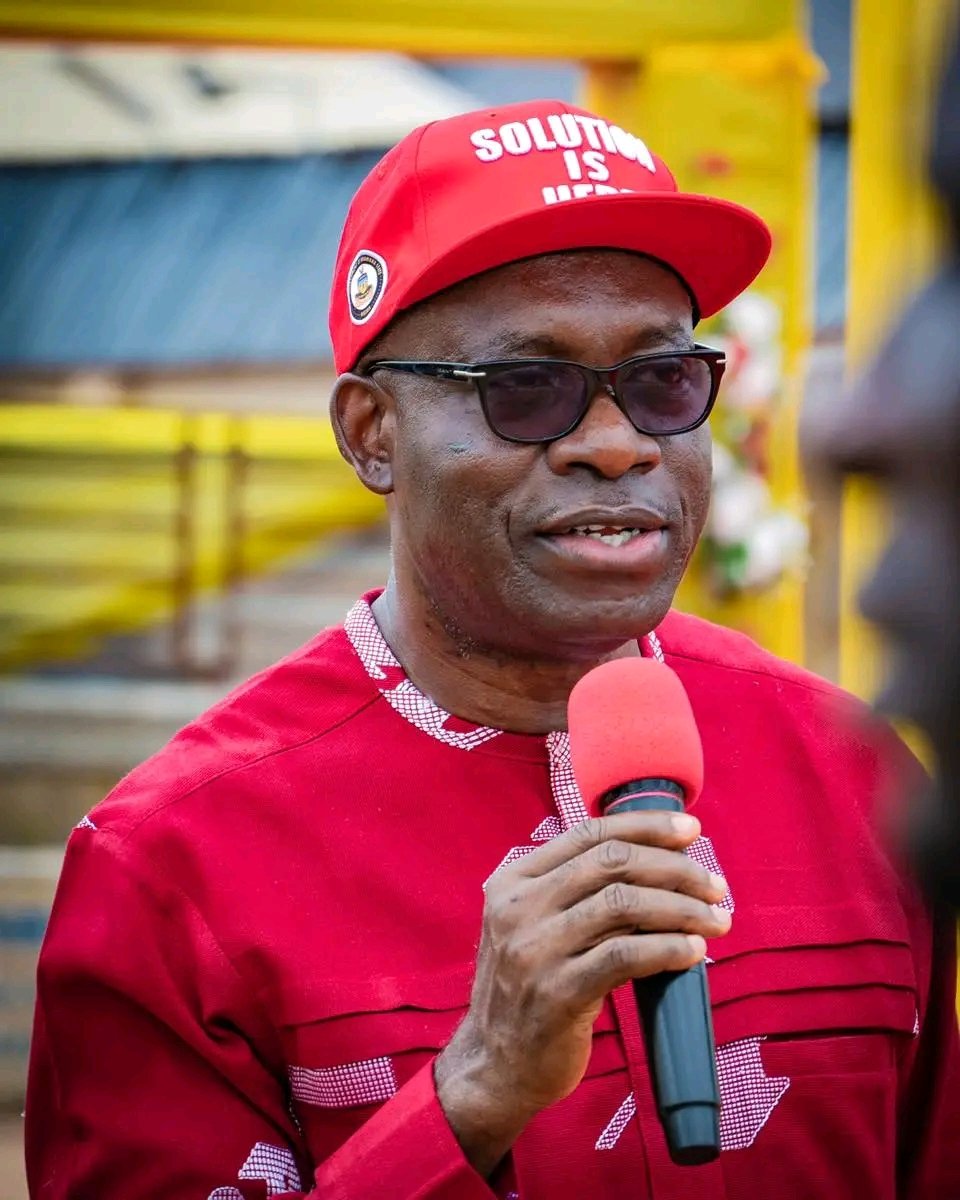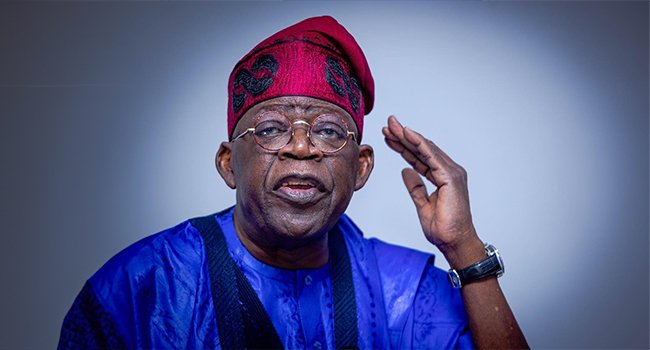
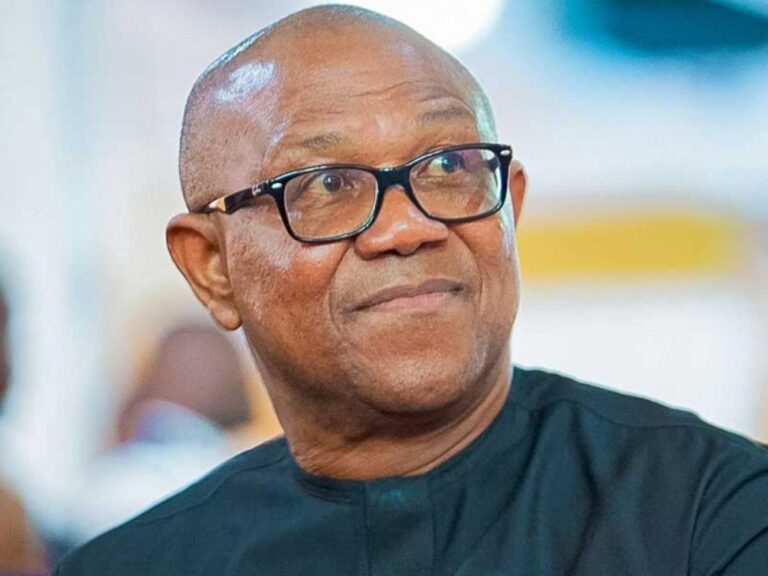
Nigeria’s 2027 presidential race produced a sharp exchange this week when opposition figure Peter Obi told a gathering of lawyers that a country at war has been feeding Nigeria. Speaking on a panel with fellow presidential contenders Rotimi Amaechi and Omoyele Sowore at the Nigerian Bar Association’s Annual General Conference (NBA AGC — the yearly meeting of Nigeria’s lawyers) in Port Harcourt, Rivers State, Obi said Nigeria is poor because it does not produce enough, and pointed out that Ukraine, a country currently at war, has sent grain to Nigeria to help fight hunger.
Obi is the presidential candidate of the Nigeria Democratic Congress (NDC), a party he joined earlier in 2026 after leaving the African Democratic Congress (ADC), alongside former Kano State governor Rabiu Kwankwaso. He was the Labour Party’s presidential candidate in the 2023 election, in which he placed third.
What was actually said
At the conference, Obi argued that Nigeria’s poverty is not caused mainly by bad luck or external pressure, but by low productivity. He said the country has slipped further down global hunger rankings, and singled out Ukraine’s wheat donation as proof that Nigeria, despite its farmland and population, has failed to feed itself. He said that if Nigeria invested seriously in agriculture, it could earn more from farming than it currently does from oil.
Checking the claims
Ukraine’s wheat donation is real. In February 2024, the Ukrainian government, through its “Grain from Ukraine” initiative, gave 25,000 tonnes of wheat to Nigeria via the UN World Food Programme, meant to help feed about 1.3 million people affected by hunger in the North-East. The donation happened while Ukraine itself remains at war with Russia.
Nigeria’s hunger ranking is also a documented fact, though the exact position shifts year to year. In the 2025 Global Hunger Index, Nigeria ranked 115th out of 123 countries with enough data to be scored, with a “serious” hunger level. Separate United Nations data project that tens of millions of Nigerians face high levels of hunger.
This is not the first time Nigeria’s food gap has made headlines
In 2024, when the Ukraine wheat donation first arrived, commentators already noted the irony of a war-torn country sending food aid to Africa’s most populous nation.
Nigeria has for years imported large volumes of food staples like wheat and rice, despite having vast farmland, a pattern many economists have long flagged as a warning sign for the country’s agricultural policy.
Obi himself raised the same Ukraine comparison in an earlier interview in May 2026, blaming the government’s economic mismanagement and its handling of the fuel subsidy removal for worsening hunger levels.
Why Nigeria struggles to feed itself, and who feels it most
Several factors are commonly linked to Nigeria’s low farm output: insecurity that has driven farmers off their land in the North-East and North-West, poor rural infrastructure that makes it hard to move food from farms to markets, limited access to credit and modern farming tools for smallholder farmers, and past policy choices that favoured importing food over supporting local production.
The effects are felt widely. Families that cannot afford enough food face malnutrition, which is especially damaging for children’s growth and development. Farmers displaced by conflict lose their main source of income. At the national level, heavy food importation drains foreign currency reserves, weakens the naira, and leaves Nigeria’s food prices exposed to global shocks, since the country ends up depending on the harvests and goodwill of other nations, including one currently fighting a war.
What could help close the gap
Suggestions frequently raised by economists and policymakers include:
Restoring security in farming communities in the North-East and North-West, so displaced farmers can return to their land.
Expanding access to affordable credit, fertiliser, and modern equipment for smallholder farmers, who produce most of Nigeria’s food.
Investing in rural roads and storage facilities to reduce the amount of food that spoils before reaching markets.
Building the country’s capacity to process and preserve local produce, rather than relying so heavily on food imports.
A tough truth worth sitting with
We think Obi’s comparison, however uncomfortable, points to a fact that is hard to argue with: no country as large and richly endowed as Nigeria should need help from a nation under active bombardment to feed its own people. That said, we would caution against pinning this entirely on any one administration, since Nigeria’s underinvestment in agriculture and its heavy reliance on food imports go back decades and cut across different governments. As the 2027 election season heats up, we hope the conversation moves beyond who to blame and toward specific, fundable plans, from all candidates, on how Nigeria finally grows enough to feed itself.
Published by Ejoh Caleb