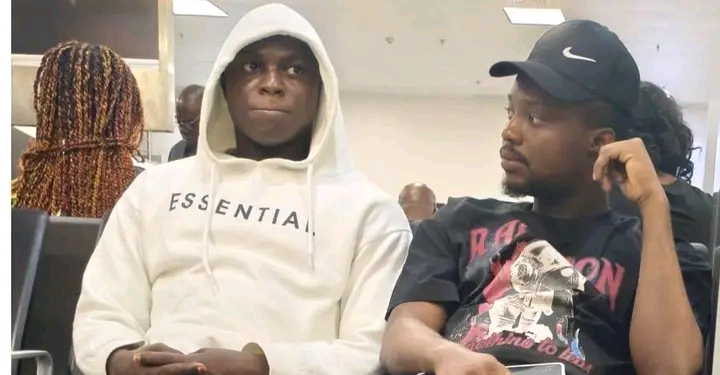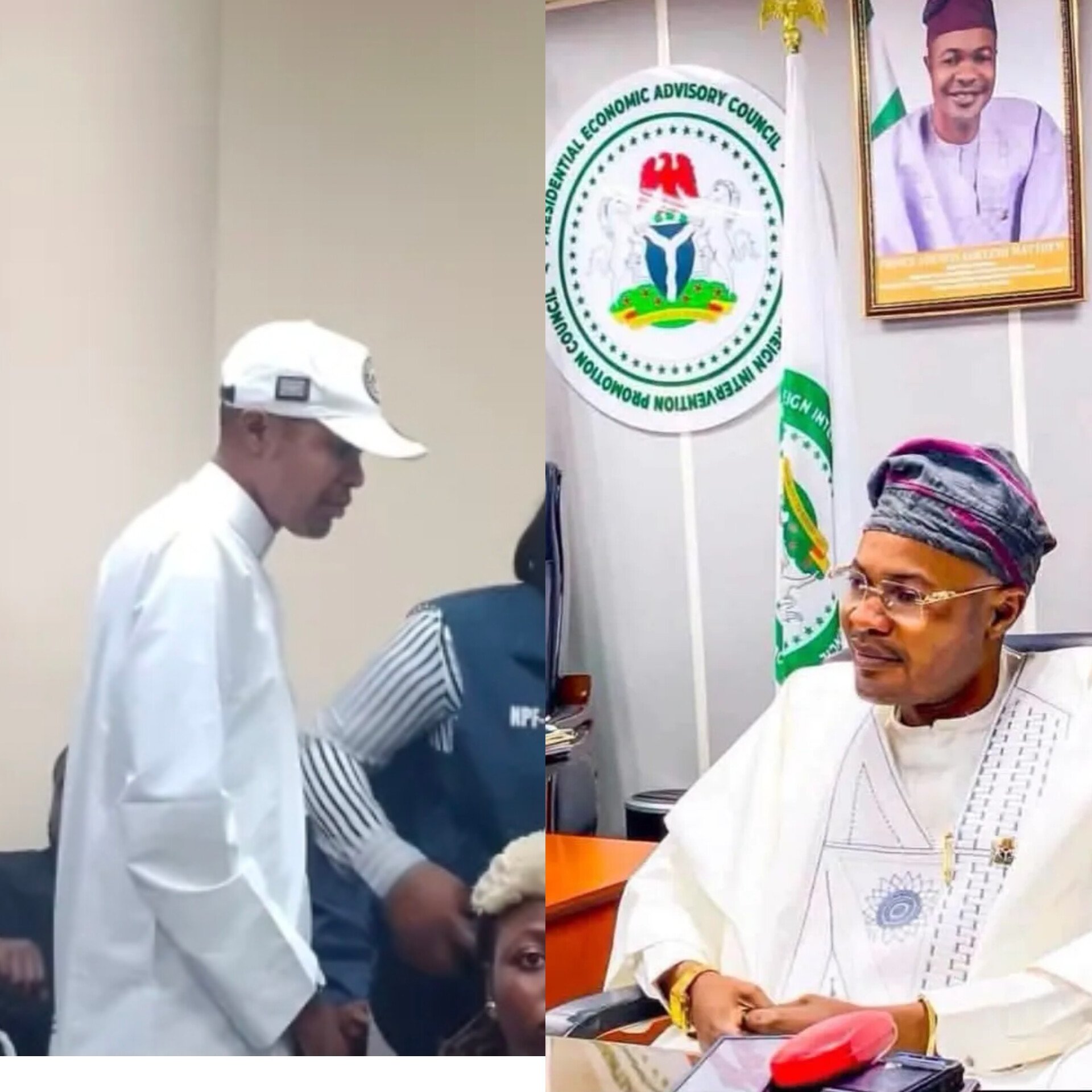

Voters in Osun State went out on Saturday, August 15, 2026, to choose their next governor. But in some places, the day was marked by machine failures and violence instead of smooth voting.
Machines refused to work in Ede North, leaving voters stranded
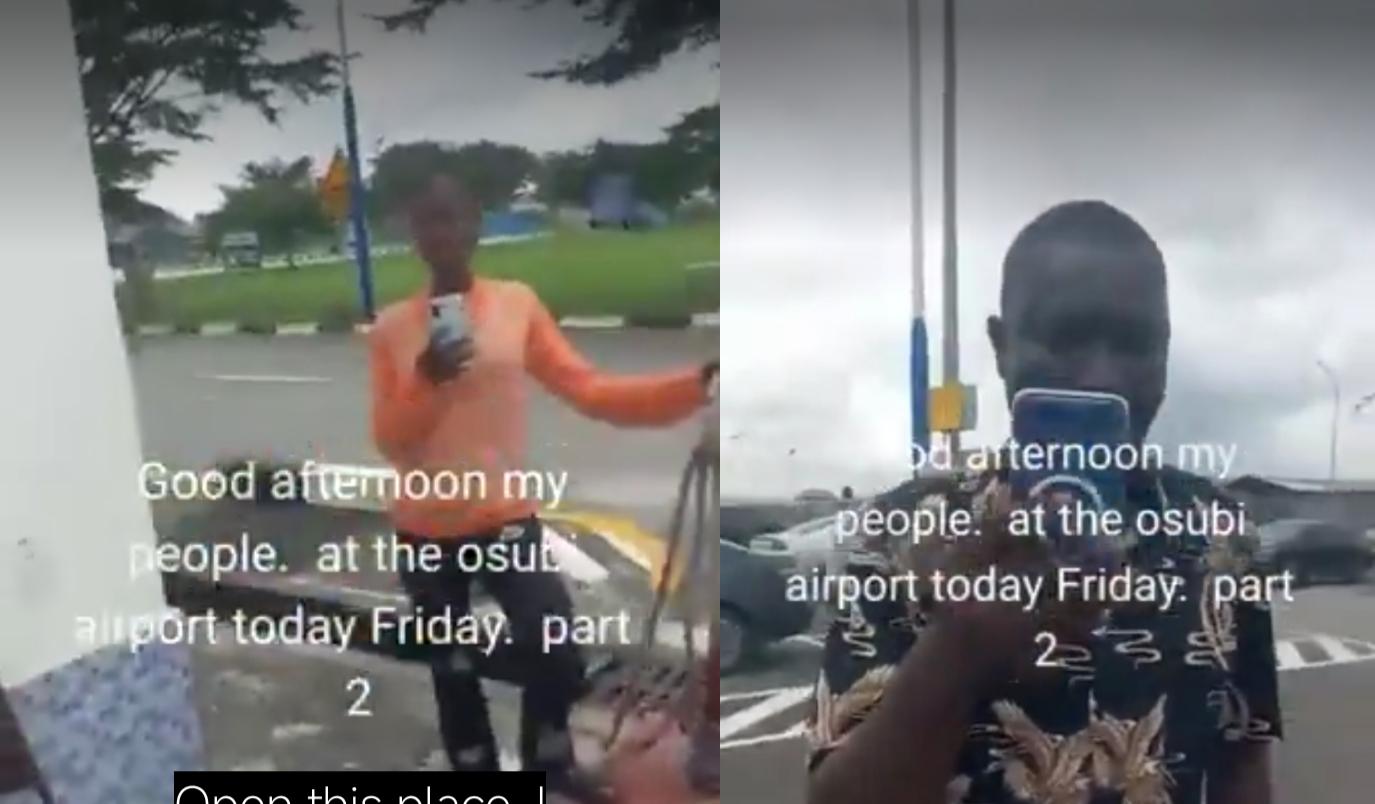
At Ward 2, Unit 9 in Ede North Local Government Area, voters gathered early but could not be accredited. The Bimodal Voter Accreditation System (BVAS), the device INEC (Independent National Electoral Commission) uses to confirm a voter’s identity before they can vote, was not working. By past 10 a.m., voters were still waiting, and their frustration was clear in a video showing them lamenting the delay.
News reports from the ground confirmed the same problem. A local transport union member, Comrade Olaniyan Bamiduro, said the machine broke down three times since accreditation began, and that voting would have moved faster without the repeated glitches. Osun State’s Deputy Governor, Kola Adewusi, also complained about BVAS troubles at his own polling unit and called on INEC to provide backup machines.
Suspected thugs stormed a polling unit and chased voters away
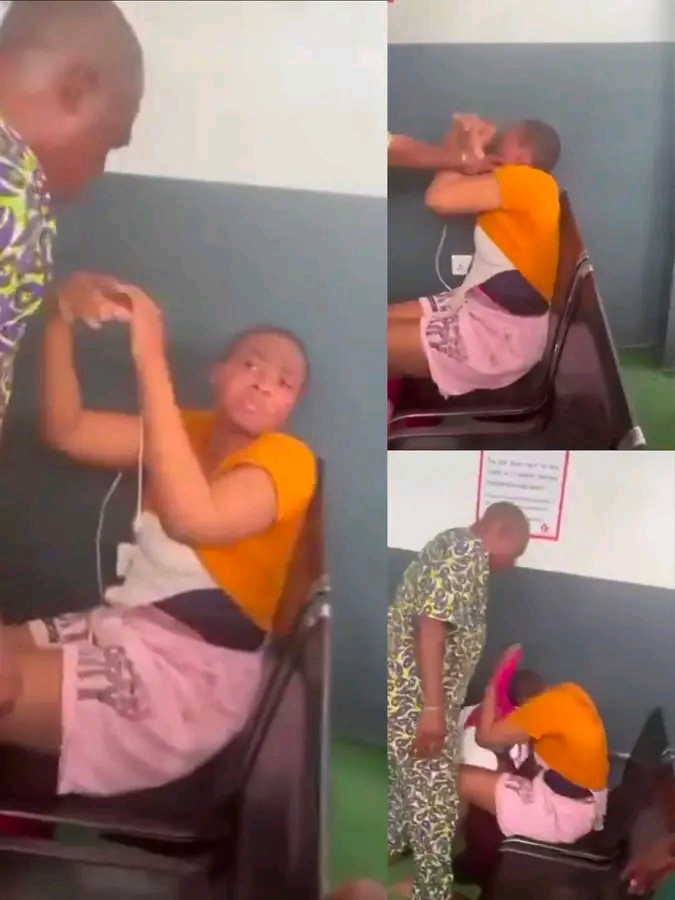
The bigger scare happened in Ejigbo Local Government Area. At Ward 4, Unit 13, which also happens to be the polling unit of governorship candidate Dr Najeem Salaam of the African Democratic Congress (ADC), suspected thugs stormed in shortly after voting began, causing panic.
Reports say the attackers scattered voters, damaged a vehicle, and interfered with electoral materials. One man believed to be among the attackers was arrested by security operatives at the scene. The ADC’s publicity secretary, Abosede Busayo Oluwaseun, said residents at the scene stepped in quickly, and that their action may have prevented the situation from becoming a tragedy. Journalists covering the incident were also attacked, with some of their vehicles damaged.
This is not the first time these problems have shown up
Both machine failure and election-day thuggery are old, familiar problems in Nigeria’s elections, not new surprises.
INEC introduced BVAS nationwide for the first time during the 2023 general election, promising it would end rigging and voter impersonation. Instead, the system failed in many places on election day, and INEC also struggled to upload results promptly through its result portal, which fed suspicion that the process had been compromised. Osun State itself has history here too: the state’s 2022 governorship election ended up before an election tribunal partly over BVAS-related over-voting disputes.
Armed disruption of voting is just as familiar. During the 2023 governorship election, thugs wearing party identification tags invaded a polling unit in Ejigbo area of Lagos State, tried to seize the BVAS machine and cart away ballot materials, and were only stopped when the Nigerian Army arrived. More recently, during Ekiti State’s governorship election in June 2026, thugs attacked a driver working for an opposition candidate’s aide, leaving him badly injured. Ahead of Saturday’s Osun election, security agencies had already arrested about 100 people suspected of being brought in from Ondo and Ekiti states to disrupt the vote. Elsewhere on Saturday, thugs also disrupted voting at the polling unit of former Osun governor Rauf Aregbesola.
Why these problems keep happening, and who they hurt
BVAS failures are often blamed on weak network connectivity, poor device maintenance, and insufficient backup equipment at polling units, especially in rural or under-resourced areas. Thuggery, on the other hand, thrives where politicians can hire and arm young men with little fear of arrest or prosecution, and where security agencies are stretched thin or arrive only after the damage is done.
The effects hit voters directly first. People who queue for hours, some elderly or unwell, are turned away or made to wait indefinitely, which discourages them from ever returning to vote. Thug attacks put lives at risk and can force entire polling units to close, meaning residents in that area may not get their votes counted at all.
But the damage goes beyond one polling unit or one state. Every widely reported BVAS failure and every viral video of thugs chasing voters chips away at Nigerians’ trust in INEC and in elections generally. This matters for the country as a whole because low public trust in elections feeds low voter turnout nationwide, weakens the legitimacy of whoever eventually wins office, and gives international observers and investors more reason to question the stability of Nigeria’s democracy, less than a year before the bigger 2027 general elections.
What can actually fix this
Election observers and officials have repeatedly pointed to the same fixes. INEC needs enough functional backup BVAS devices at every polling unit, not just spares kept far away at local government offices, so that one faulty machine doesn’t halt voting for hours. Security agencies need to be visibly present at polling units before trouble starts, not only after thugs have already struck, and known troublemakers arrested on election day must actually be prosecuted afterward, not quietly released. Political parties and their leaders also need to be held publicly responsible when thugs linked to them disrupt voting, since impunity is a big part of why this keeps repeating from one election to the next.
Our reading of the day’s events
What happened in Ede North and Ejigbo on Saturday is a reminder that Nigeria’s electoral problems are not solved by technology alone. A machine can be replaced in a few hours, but the fear and distrust an attack like the one in Ejigbo leaves behind lingers much longer. We believe INEC and security agencies must treat both problems, faulty machines and armed disruption, as equally urgent, because voters who are made to feel unsafe or unheard at the polls are voters who may simply stop showing up in the future. Nigeria cannot afford that, especially with the 2027 general elections already on the horizon.
Published by Ejoh Caleb