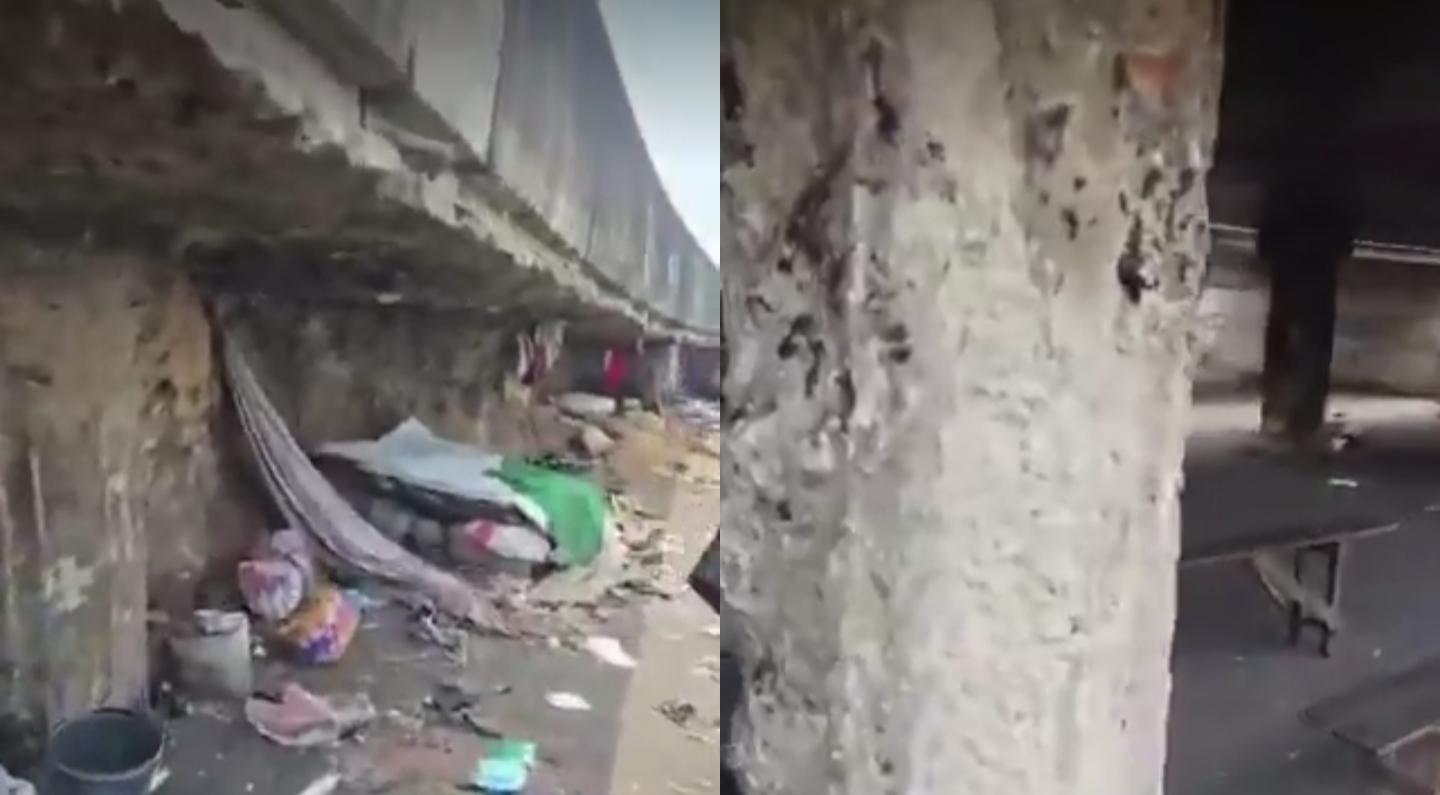
The Lagos State Government has arrested 27 suspected hoodlums for allegedly vandalising a newly constructed bridge linking Festac Town to Alakija, after enforcement officers discovered that critical structural materials had been stripped from beneath the flyover.
What happened
Commissioner for the Environment and Water Resources, Tokunbo Wahab, disclosed the arrests in a statement on Friday, describing what his team found beneath the bridge as a “disturbing act of vandalism.” According to Wahab, investigations showed that suspects had deliberately removed iron rods, steel reinforcements, cables and other materials essential to the bridge’s structural integrity. A viral video of the aftermath showed extensive damage to sections of the bridge, with concrete pillars broken open and reinforcing steel bars stripped out.
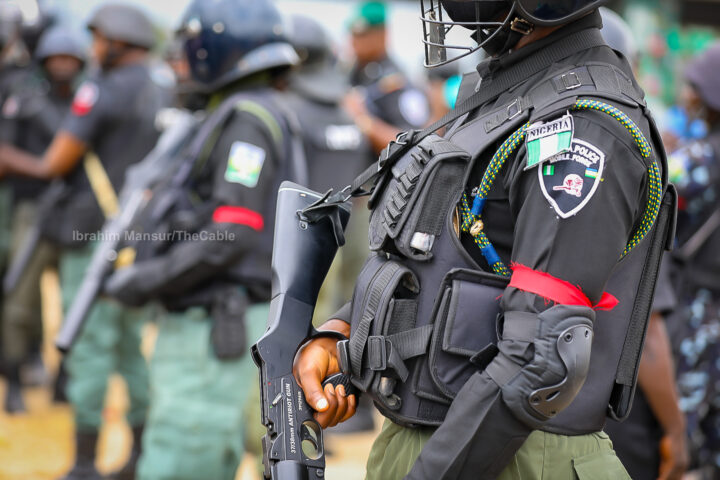
The arrests followed a joint midnight enforcement operation by officers of the Rapid Response Squad (RRS) and the Kick Against Indiscipline (KAI) task force, carried out as part of a broader exercise ordered by Governor Babajide Sanwo-Olu to clear the Lagos-Badagry Transnational Highway of environmental pollution, illegal motor parks, roadside trading and other infractions. Wahab said the state government would prosecute the suspects under applicable Lagos State laws, though he did not disclose their identities or say when they would be arraigned.
Governor Sanwo-Olu has separately ordered a full investigation into the incident, which officials have linked to suspected scavengers targeting the bridge’s metal components.
Background: not an isolated case
This is not the first time Lagos infrastructure has been targeted for its metal value shortly after construction. The Third Mainland Bridge, Lagos’s busiest and most iconic crossing, has itself been repeatedly targeted: the Lagos State Police Command previously arrested an 18-year-old man for allegedly vandalising newly installed reflective road studs there, and the bridge has also seen the theft and destruction of safety installations, including solar-powered road studs and bridge railings, in earlier incidents. Elsewhere in Lagos, a vandal was caught in July 2024 stealing iron reinforcement from a concrete barrier at the Ogudu Garden Valley scheme, and confessed to having done it once before, saying he had accomplices still at large.
The problem extends well beyond bridges. The Nigerian Society of Engineers has estimated that the country loses approximately ₦76 billion (about $200 million) every year to infrastructure vandalism nationwide, a figure that covers repairs, replacements and the wider economic disruption caused by damaged transport, power and communication assets.
Why this keeps happening — causes and effects
Scrap metal has real resale value. Iron rods, steel reinforcements and cables can be sold to scrap dealers, creating a direct financial incentive for theft that new, unsecured, or lightly monitored structures are especially vulnerable to.
New infrastructure often lacks a security transition plan. A bridge is typically heavily guarded during construction but may see reduced oversight once officially handed over, creating a window scavengers can exploit.
The safety cost far outweighs the scrap value. Structural materials removed for a relatively small resale sum can compromise a bridge’s ability to bear the loads it was engineered for, putting every future commuter at risk.
Repeated incidents raise the cost of public projects overall. Every act of vandalism adds repair costs, potential legal proceedings, and reputational damage to a state government’s infrastructure programme, ultimately borne by taxpayers.
What could help prevent repeat incidents
Dedicated post-construction security patrols, particularly during the vulnerable early months after a bridge or major structure opens to the public, before routine monitoring systems are fully in place.
Tighter regulation of scrap metal buyers, since vandalism driven by resale value depends on dealers willing to purchase stolen structural materials without asking questions.
Public reporting channels and community vigilance, since much of this kind of damage happens at night or in less visible areas beneath bridges, where ordinary road users would not typically notice.
Routine structural inspections of new infrastructure, to catch tampering early before it escalates to the extent uncovered at Festac-Alakija.
Building it was the easy part
I think this case captures something Lagos, and Nigeria more broadly, keeps learning the hard way: constructing new infrastructure is only half the job. A bridge that took months or years to build, and real public money to fund, was apparently stripped of its structural steel not long after opening — for scrap value that is almost certainly a fraction of what it will cost to repair. The 27 arrests are a start, but the bigger question is whether Lagos puts in place the ongoing protection this kind of infrastructure clearly needs, or waits for the next bridge to be discovered half-stripped before acting again.
Published by Ejoh Caleb