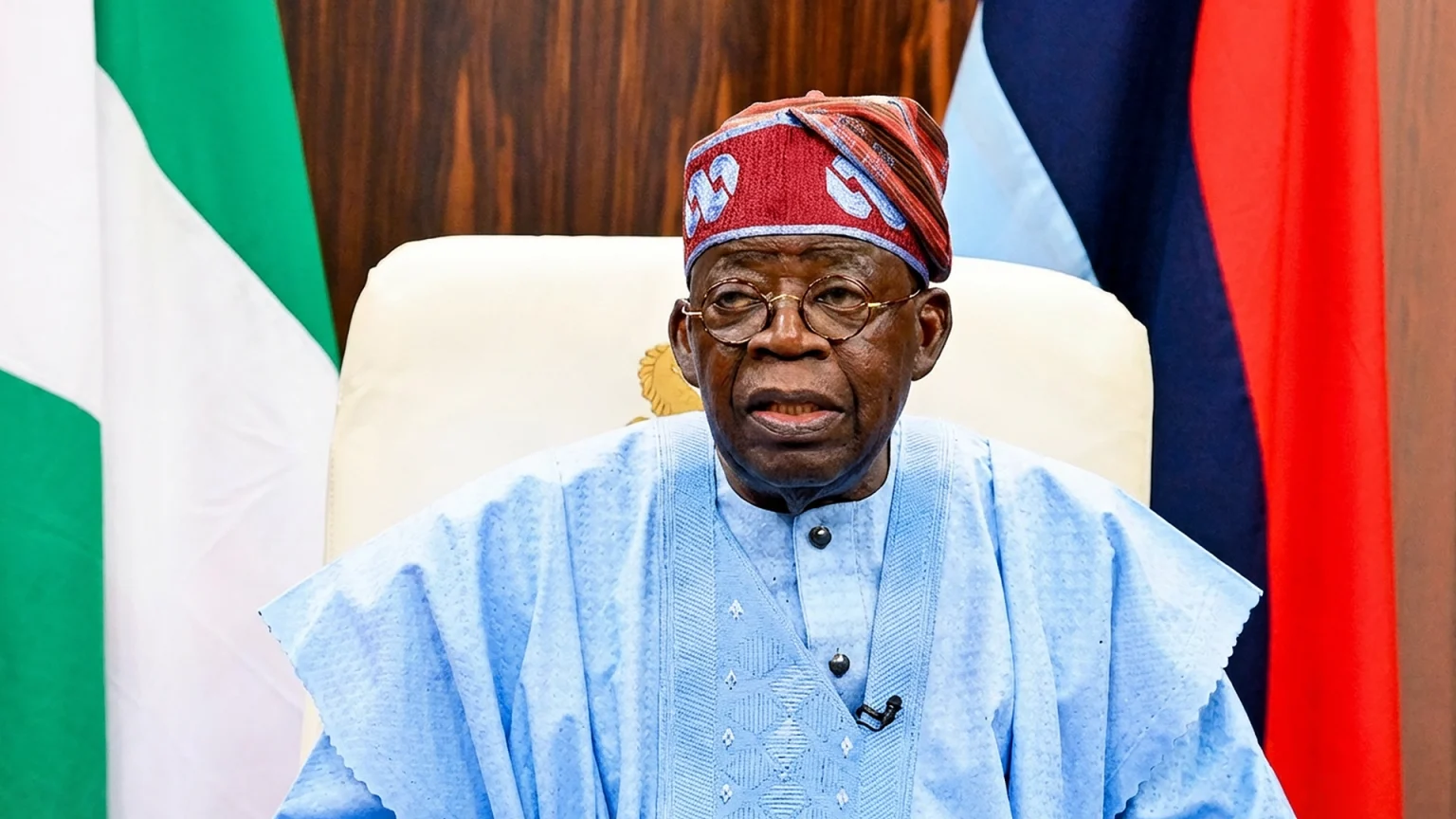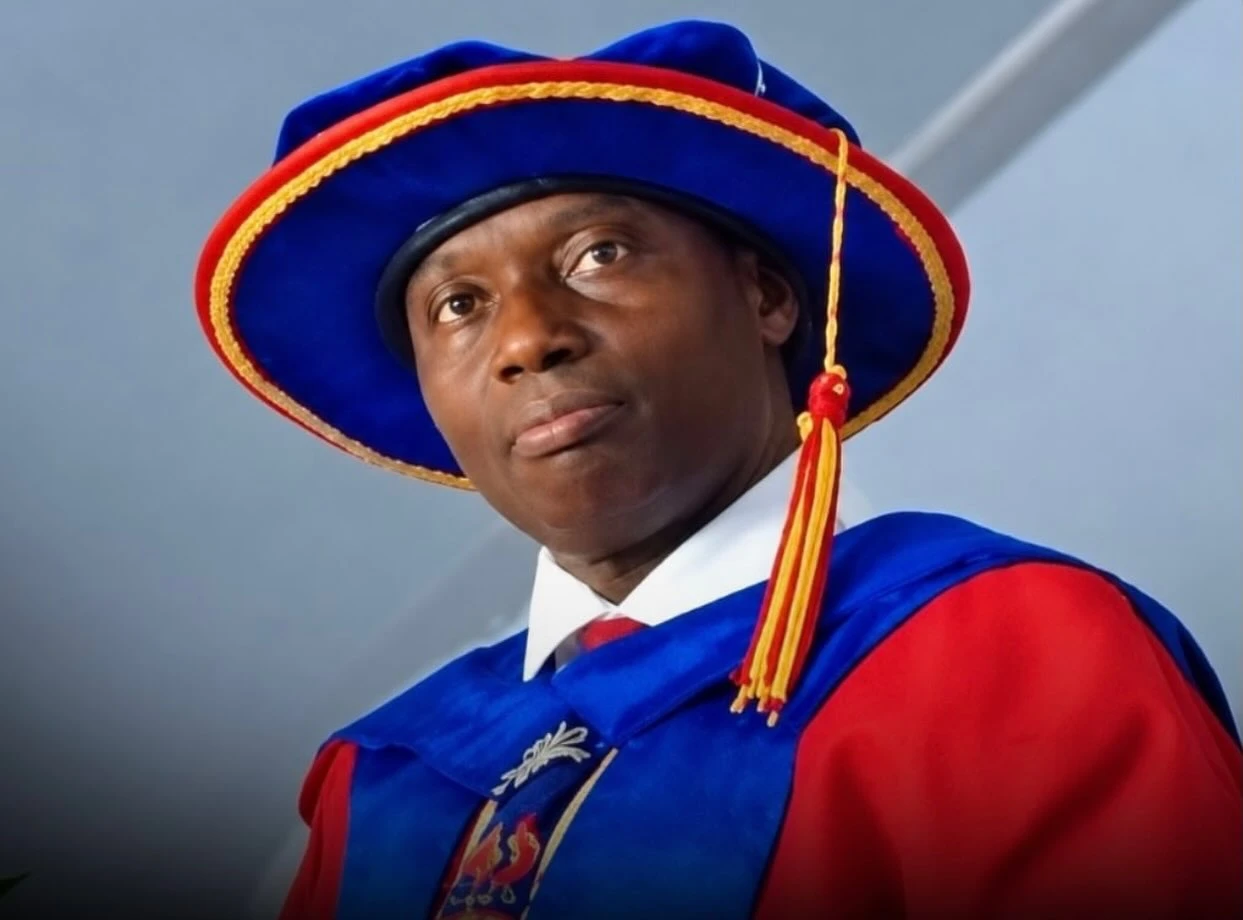

Popular cleric Pastor Chukwuemeka Odumeje has warned Nigerians against stealing, saying anyone caught in the current economic climate risks facing brutal, humiliating punishment from angry members of the public, not just the law. Speaking during a sermon, the founder of the Mountain of Holy Ghost Intervention and Deliverance Ministry said now is not the time to steal, because public anger over hardship has made ordinary Nigerians quick to punish suspected thieves themselves.
“Please, if you’re stealing, this is not the best time to do it. It’s better you stop now, because if you’re caught, the kind of punishment you’ll receive these days will be severe and very humiliating,” he said, adding that many Nigerians are taking out their anger over hardship under President Bola Tinubu’s administration on anyone caught stealing.
His comments quickly went viral, drawing mixed reactions online, with some Nigerians agreeing with his warning while others focused on his remarks about the country’s hardship.
A Warning Rooted in a Real and Growing Problem
Odumeje’s warning is not exaggerated. Nigeria has seen a well-documented rise in “jungle justice,” where mobs beat, torture, or kill people accused of crimes without any investigation or trial.
Amnesty International recorded at least 555 victims of mob violence across 363 incidents in Nigeria between January 2012 and August 2023 alone, with many burned alive, buried alive, or tortured to death.
In April 2025, a mob in Uromi, Edo State, burned 16 travellers alive after wrongly suspecting them of being kidnappers, a case that shocked the country and renewed calls for the government to rein in vigilante violence.
In one recent case in Lagos, a man accused of stealing a bottle of groundnut oil from a market trader was stripped, beaten, and had hot oil poured on his back by an angry crowd, left in a gutter near a police station.
In May 2022 alone, 32 separate cases of jungle justice were recorded across Nigeria, reflecting how frequent this kind of mob violence has become.
Why More Nigerians Are Taking the Law Into Their Own Hands
Legal experts and researchers point to a few connected reasons behind the rise in mob violence.
Economic hardship is one of the clearest drivers. A lawyer speaking to The Guardian explained that when people cannot afford basic necessities and feel the pressure of hunger and rising costs, both theft and public anger toward suspected thieves tend to increase together.
Deep distrust in Nigeria’s police and court system is another major factor. Many Nigerians feel that reporting a suspect to the police will not lead to real justice, so some choose to “deal with” the matter themselves on the spot.
A cultural belief in swift, visible punishment also plays a role, alongside the fact that in many communities, mob participants are almost never identified or prosecuted afterward, creating a sense that this kind of violence carries no real consequence.
How This Trend Affects Nigeria as a Whole
For individuals, the danger cuts both ways: genuine offenders risk brutal, unlawful punishment, while completely innocent people, wrongly accused or mistaken for someone else, have also been killed by mobs who never checked the facts.
For communities, repeated incidents of mob violence create a climate of fear and normalise extreme brutality as an everyday response to disputes, weakening the basic trust people need to live safely alongside one another.
For Nigeria as a country, a rising pattern of jungle justice signals a breakdown in public confidence in the rule of law itself. It damages Nigeria’s global image, complicates foreign investment and tourism, and puts pressure on security agencies and the government to show that ordinary justice, not mob violence, can actually protect people and their property.
What Could Help Reduce Jungle Justice
Government and civil society could expand public campaigns encouraging citizens to report suspected crimes to police rather than take action themselves, alongside visible efforts to prosecute mob participants when identified.
Police responsiveness needs to genuinely improve, since much of the trust deficit behind jungle justice comes from citizens feeling that formal reporting simply does not work.
Economic relief measures that ease the cost of living could reduce some of the desperation and anger that fuels both theft and mob violence.
Community and religious leaders, like Pastor Odumeje, can continue using their platforms to discourage both stealing and mob violence, since both undermine safety in the same communities.
Faster, more visible prosecution of proven mob-violence cases would help signal that this kind of “justice” carries real legal consequences.
Our Take
I understand why Pastor Odumeje felt the need to give this warning, and there is real truth behind it: Nigerians are frustrated, and that frustration is spilling into how suspected offenders are treated on the street. But I think a warning aimed only at potential thieves misses half the story. The bigger danger is not that people are stealing more; it is that many Nigerians no longer trust the police or courts to handle it fairly, so they trust the crowd instead. A crowd is not a court. Until people believe that reporting a crime will actually lead to justice, warnings like this one will keep being necessary, and mob violence will keep finding new victims, guilty and innocent alike.
Published by Ejoh Caleb