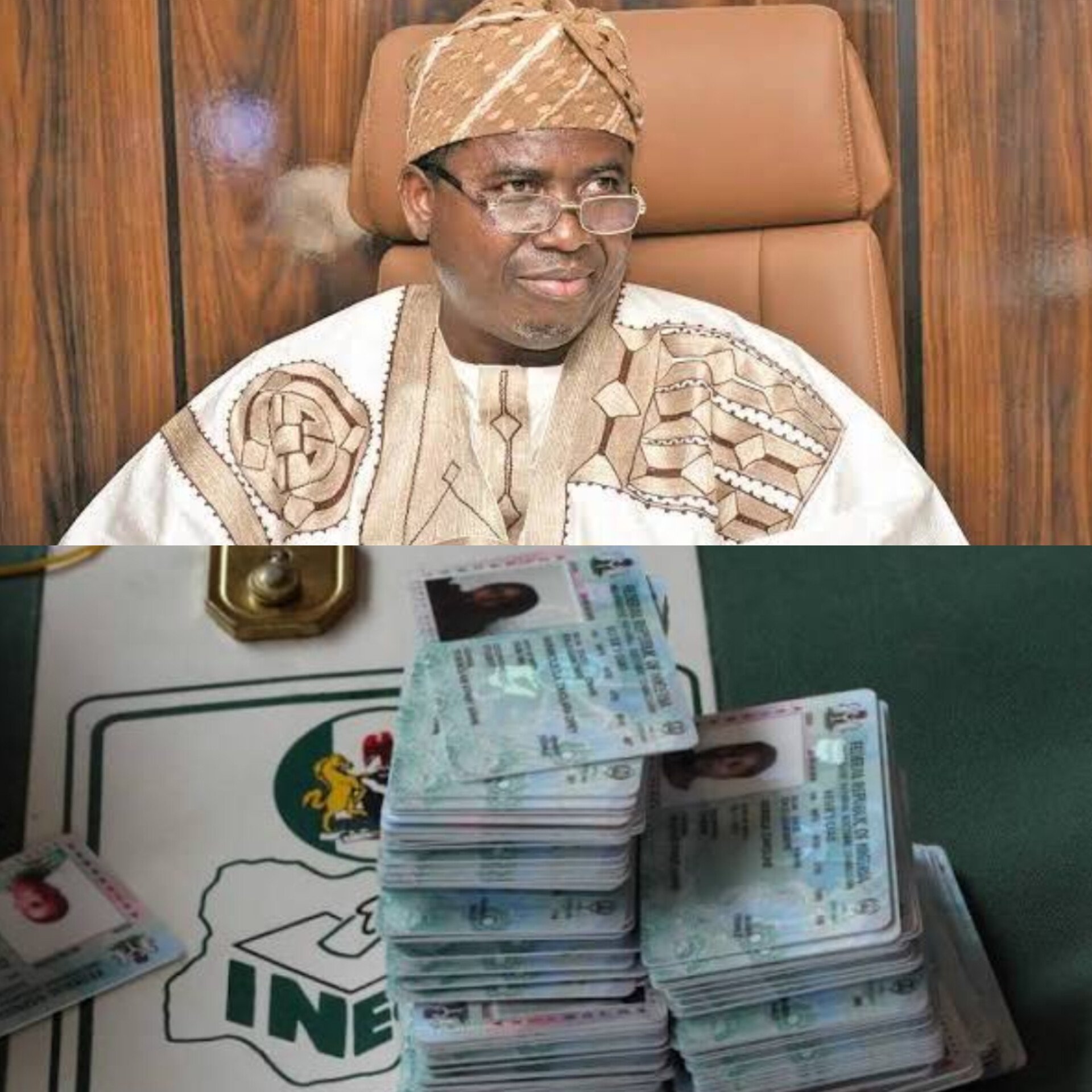
The Independent National Electoral Commission (INEC) says it has removed 1,608,660 invalid registrations from Nigeria’s voter register. It also removed 873 records of verified dead voters, which brings the total to 1,609,553. Some reports put the deceased figure at 876. INEC chairman Prof. Joash Amupitan announced the figures at a press briefing in Abuja on Monday, November 9, 2026.
INEC says the final register will be published on December 15, 2026. That date follows the Electoral Act 2026. The figure is large, so it is worth looking at how it was reached and what it means.
What Was Removed and How the Numbers Break Down
The removals did not all happen after the public review. INEC first collected 11,088,238 records from the three phases of its 2025/2026 Continuous Voter Registration (CVR) exercise (the ongoing sign-up of new voters). Its Automated Biometric Identification System (ABIS), a computer system that compares fingerprints and faces to find people registered twice, flagged 1,545,052 for checking. INEC says a flag is not proof of a fake entry. A review must decide each case.
Before the register was displayed, 1,277,052 entries had already been confirmed invalid and left out. After the display, a further 268,000 cases were reviewed. Of these, 217,722 were removed and 50,278 were cleared as valid. Extra screening then found 113,886 more invalid entries. By our own calculation, the invalid entries are about 14.5 percent of all the records collected. This is based on INEC’s figures and has not been independently checked.
How a Public Review Brought Doubtful Records Into the Open
In October 2026, INEC showed the preliminary register (the first draft of the voters’ list, shown for checking) at ward level from the 9th to the 15th. It later put the list online. Under the Electoral Act, people have 14 days to send claims, objections and complaints.
The public pointed to photos that looked artificial or edited. They also pointed to repeat registration attempts, odd names and dead people still on the list. The chairman said some people claimed these faults were deliberate and meant to damage the 2027 election. That claim has not been proven. INEC has not confirmed any plan to rig the election. What INEC did report is its own finding. It said some registration staff deliberately broke the rules. They also misused special provisions meant for exceptional cases, such as registering people with disabilities.
INEC named 54 people in ten states as complicit. They face disciplinary action and possible prosecution. These are findings by INEC, not court verdicts. No one has been convicted.
Earlier Clean-Ups Show This Problem Is Not New
Nigeria has been here before. After the 2021–2022 registration drive, INEC said ABIS invalidated 2,780,756 entries, about 22.6 percent of the new registrations. The chairman at the time said some INEC officers had tried to register fake voters, sometimes making 40 or more attempts. INEC said it had identified 23 officers and that disciplinary action had begun.
Dead voters were also an issue. INEC said it removed 7,746 deceased persons from the register as of December 2022. In May 2023, the House of Representatives asked INEC to build a way to clean dead and fictitious names off the register.
A third lesson is that problems returned after clean-ups. When INEC displayed the register in 2022, people still reported duplicates and photos that did not match the stated ages. Critics asked how so many bad entries had passed earlier checks. The 2026 share of removals is lower than in 2022, but the pattern of fake entries is the same.
How Weak Registration Controls and Old Records Let Bad Entries Slip In
The chairman gave two main causes. The first is staff misconduct at registration points, as described above. The second is old data. He said the register has grown since 2011 through different systems of varying quality.
This matters because cleaning the 2025/2026 batch does not clean everything. He said most duplicate names and photos shared in public came from the older 2011–2023 register. On November 9, the commission decided to remove flagged duplicates from that older register after checking each case. A full re-checking exercise of all voters, announced in February 2026, was put off until after the 2027 elections because of stakeholder concerns about timing. So some old problems may remain on election day.
Effects on Public Trust and the Strength of the Coming Elections
A voter register is the base of every election. If it contains fake or dead names, people can doubt the result even before votes are counted. INEC’s admission that deep integrity questions have existed since 2011 is a serious one. It shows how much work lies ahead before the 2027 general elections.
There is also a positive national effect. The public review worked. Ordinary citizens spotted faults, and INEC acted on them. That builds a habit of checking public records. INEC also says the Bimodal Voter Accreditation System (BVAS), the device that checks a voter’s fingerprint or face at the polling unit, will block multiple voting. Voters must be present in person.
Still, delays can hurt too. Cards for third-phase registrants are made abroad, and INEC asked for patience. A voter without a card or with a missing name could lose the chance to vote. Such cases, if many, could weaken confidence in the whole process.
Gains and Risks for Voters Who Could Be Wrongly Left Out
Some groups face more risk than others. These include people with disabilities and people who moved house. INEC said staff abused provisions meant for exceptional registration cases. The blame belongs to the officials, not to genuine voters with disabilities.
On the positive side, a cleaner list protects every honest voter. It stops others from voting in their names. Taking out dead and duplicate names also makes results harder to dispute. INEC says it wants to remove invalid entries and also protect eligible people from wrongful exclusion.
On the negative side, tighter rules can catch innocent people. The chairman said many people who say their names are missing had registered again after moving, instead of transferring their records. The second registration was voided, and their names remain at the old location. They must check there. Mistakes of this kind are easy for busy or less informed people to make. Anyone who relied on a special provision could also face extra questions. A hurried clean-up can wrongly remove a real voter.
Steps That Could Make the Final List More Credible
First, INEC should publish a clear breakdown of what was removed and where. The African Action Congress has asked for a detailed report on how many fake records were found.
Second, the 54 officials should face fair, open action, so the public sees that misconduct has a price.
Third, INEC should finish checking the 2011–2023 records and publish the results.
Fourth, voters should check their own details early. INEC has put the preliminary register online.
Fifth, any person who is wrongly removed needs a quick, simple way to get back on the list. Finally, INEC should strengthen the checks at registration points so that staff cannot bypass them.
A Cleaner List Is Only the Start of Trust
We welcome the clean-up. Removing more than 1.6 million doubtful records is a big step, and INEC deserves credit for acting on public complaints. But we should be careful not to cheer too early. Many questions remain about how these entries got in and who helped.
We also remember that Nigeria has seen big clean-ups before, and the same faults returned. So our test is not the size of the number removed.
Our test is whether the final register, the cards and the polling unit checks all work well for honest voters. We hope INEC will show its work in full, punish wrongdoing, and protect every eligible citizen. That is how our democracy earns trust.
Published by Ejoh Caleb