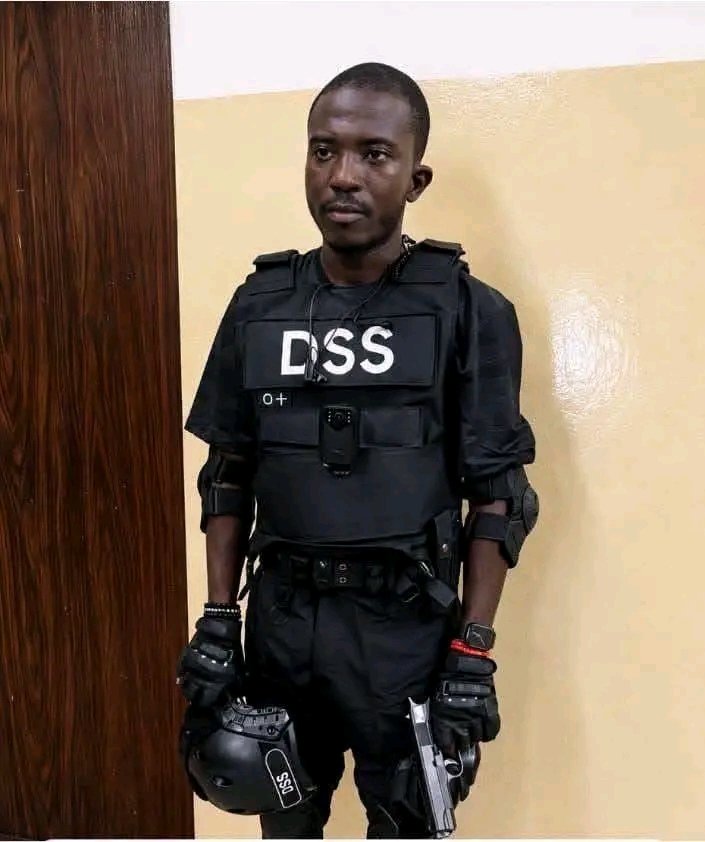
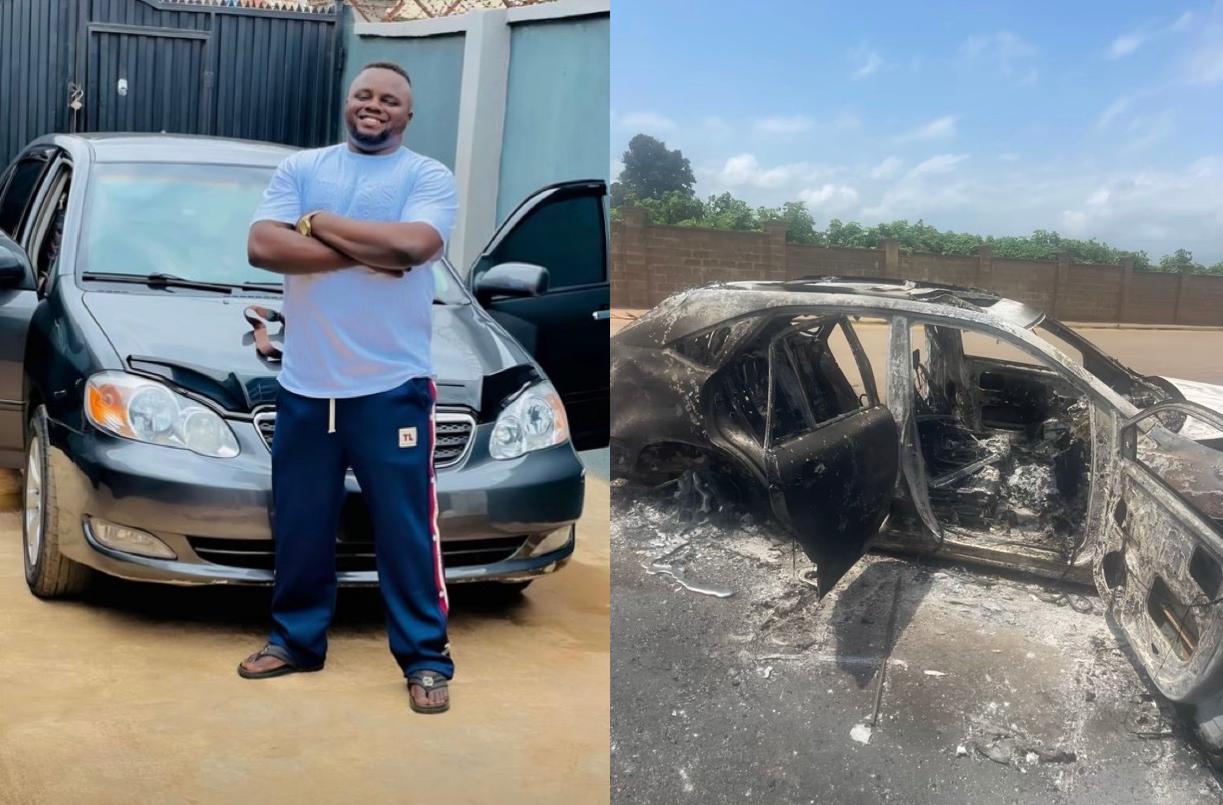
A young man has been beaten and burned to death by an angry crowd in the Ajia area of Ona-Ara Local Government Area, Ibadan, Oyo State. He has been identified as Oderinde Saheed, also known as “Seedorf.”
The tragedy reportedly happened on August 25, 2026. Saheed was driving when his car was allegedly involved in an accident that hit a pedestrian. People who gathered at the scene reportedly accused him of being a “Yahoo Boy,” a common Nigerian term for an internet fraudster. Instead of calling the police, the crowd allegedly attacked him and set both him and his car on fire. He died at the scene.
His younger brother was reportedly in the car with him at the time. He was also badly beaten by the crowd and remains hospitalised in critical condition.
At the time of writing, we could not find an official statement from the Oyo State Police Command specifically addressing this case, and reports so far rely mainly on eyewitness accounts and social media. Online, the killing has already sparked condemnation, with posts online describing it as “jungle justice” and calling for those responsible to be identified and prosecuted. Because the facts are still emerging, it is important to stress that the claim that Saheed was a “Yahoo Boy” remains unproven, and no accident, real or suspected, justifies a crowd taking a person’s life.
Sadly Familiar: Other Recent Cases of Mob “Justice” in Oyo State
This is not an isolated case in Oyo State. In July 2026, a mob incident in the Strabag area of Ojoo, another part of Ibadan, left a robbery suspect and two other people dead after a crowd took matters into its own hands following an attempted phone theft. Police later arrested four suspects in connection with that killing.
In May 2026, a US-based medical doctor in Oyo State narrowly escaped death after a crowd wrongly suspected him of kidnapping two girls who could not immediately explain, in the local language, that they were with him legally. Police said he would likely have died if officers had not stepped in when they did.
These cases follow a familiar script: an accusation spreads quickly through a crowd, often amplified by shouting or phone videos, and people act on suspicion rather than facts, before the police can even arrive.
Why This Keeps Happening, and What It Costs the Country
Cases like this usually start with public frustration. Many Nigerians feel that police response times are slow and that the justice system takes too long to punish real criminals, so some people decide to “deal with” suspects themselves. Labels like “Yahoo Boy,” “kidnapper,” or “thief” can spread through a crowd in minutes, often based on rumour rather than evidence, and once a mob forms, it becomes very hard for anyone, even the accused person, to be heard.
The human cost falls hardest on families like Saheed’s, who have lost a young man and now have another son fighting for his life in hospital, over an accident that a court, not a crowd, should have judged. But the damage goes further than one family. Each mob killing that goes unpunished sends a message that the law can be replaced by a crowd’s anger, which weakens trust in the police and courts across the country. It also feeds Nigeria’s global image problem: reports of mob killings are often picked up by international media and human rights groups, adding to concerns about the rule of law that can affect everything from tourism to foreign investment decisions.
Nigeria’s Inspector-General of Police, Olatunji Rilwan Disu, addressed this exact problem publicly less than two weeks before this incident. Speaking on national television on August 12, 2026, he directed all state police commissioners to arrest and prosecute anyone involved in mob action, calling jungle justice “murder” and stressing that it violates a person’s right to life and a fair hearing.
How Nigeria Can Stop Crowds From Becoming Executioners
Faster, more visible police response in busy areas like Ajia would give residents less reason to feel that self-help is their only option. Community policing, where officers are known and trusted in a neighbourhood, tends to reduce the chance that a crowd will act before officers arrive.
Public education matters too. Many Nigerians do not know that mob killing is treated as murder under the law, with the same serious consequences for anyone caught participating, not just the person who lands the fatal blow. Clearer, repeated public messaging from police and community leaders, especially in markets, motor parks, and other crowded public spaces, could help make that consequence better known.
Following through on the Inspector-General’s directive will matter most. Cases like the Strabag killing in Ojoo show that Oyo State police can identify and arrest mob suspects when they choose to. Making sure such arrests consistently lead to prosecutions and convictions, and publicising those outcomes, would do more to deter future mob attacks than warnings alone.
The Line We Think Nigeria Cannot Afford to Keep Crossing
We find this case hard to read, not only because a young man lost his life in such a horrific way, but because of how familiar the pattern has become. An accident happened. A label was attached to him by people who did not know him. And within moments, a crowd decided his fate without giving him, or the truth, a chance. Even if every allegation against him had been true, that would not have made his killing lawful or right. We hope the authorities treat this case with the same seriousness the Inspector-General promised just weeks ago, both for Saheed’s family and for the next person who might otherwise face a crowd instead of a courtroom.
Published by Ejoh Caleb