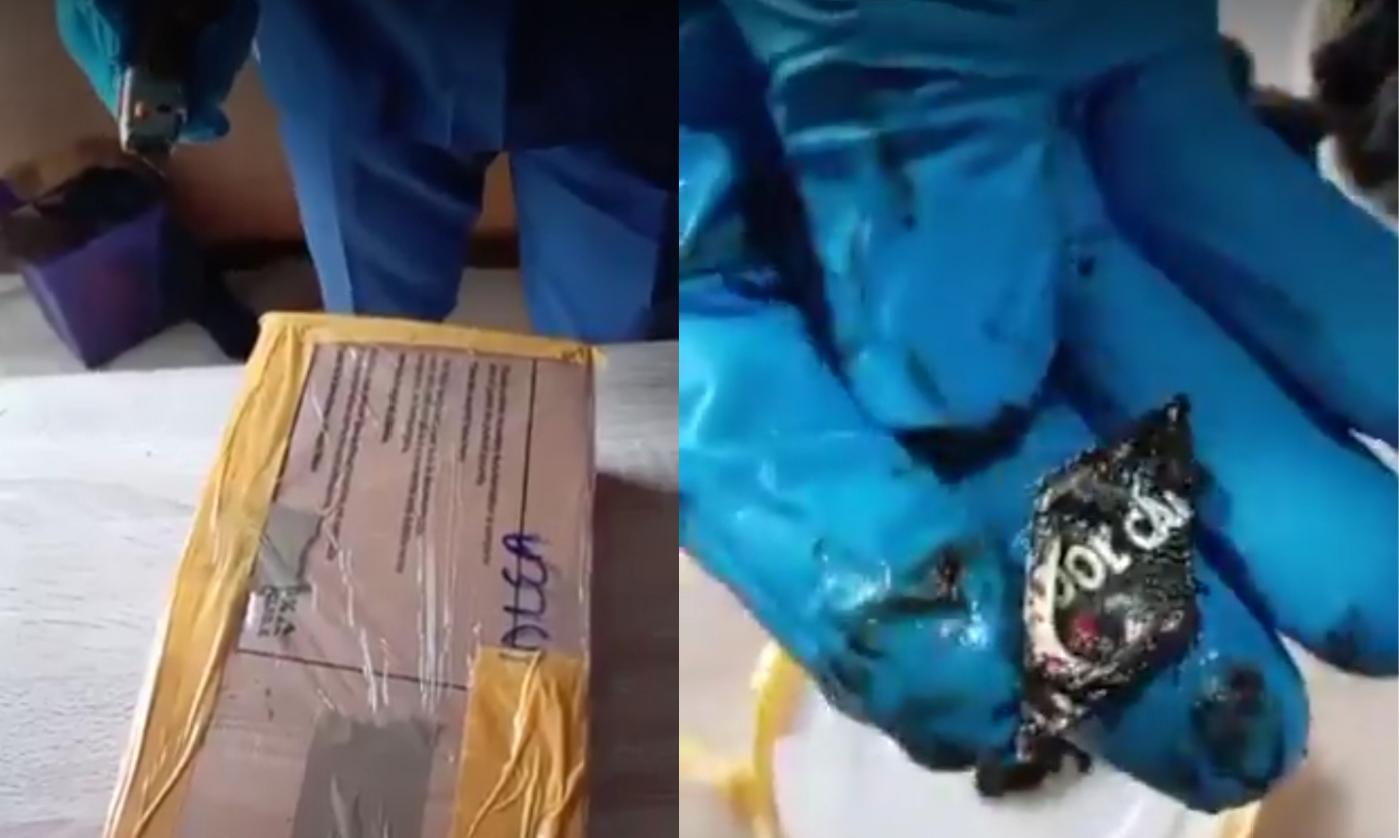

A Nigerian woman has gone viral after she said she found a condom hidden inside her 13-year-old cousin’s school bag while helping the teenager pack for school. In a post on X, the woman, using the handle @Ramkish68725686, said the discovery left her badly shaken, and she asked other social media users whether she should tell the child’s mother or handle the situation herself.
“I was helping my 13yr old cousin pack her bag for school tomorrow and saw this hidden inside her school bag. I’m literally shaking right now. Do I tell her mother or handle this myself?” she wrote.
What a Discovery Like This Could Mean, and Why It Shouldn’t Be Assumed
Finding a condom in a young teenager’s bag does not automatically mean the child is sexually active by choice. It could reflect simple curiosity, information picked up from friends, school, or the internet, or a teen holding onto something without fully understanding it. It could also, in some cases, be a sign of something more serious, including pressure or exploitation by an older person, which is why child safety experts generally advise guardians not to jump to conclusions or react with anger, but to calmly find out what is actually going on before deciding how to respond.
Nigeria’s Long-Running Debate Over Sex Education
This kind of discovery lands in the middle of a debate Nigerian parents and educators have had for years. Research shows that many Nigerian parents prefer sex education and counselling to come from schools or health workers rather than discuss it directly with their children themselves, and are often uncomfortable with condoms or contraceptives being distributed in schools. At the same time, studies have found that fewer than a third of Nigerian secondary school students have ever discussed sex-related matters with a parent or guardian, even though most have picked up some information from an adult or counsellor elsewhere. Researchers have also found that open communication between parents and teens, even when it feels awkward, is linked to safer choices, including more consistent condom use among teens who do become sexually active.
Why So Many Nigerian Families Struggle to Have This Conversation
Many Nigerian parents grew up in homes where sex was never discussed openly, often for religious or cultural reasons, which makes it difficult for them to know how to approach the topic with their own children without it feeling shameful or confrontational. This silence does not stop teenagers from being curious or from encountering information, often inaccurate, through friends, social media, or entertainment, it simply means they are more likely to learn about it from sources their parents cannot guide or correct.
How Families Can Respond in Situations Like This
Experts generally recommend that a guardian in this situation calmly talk to the teenager alone first, without shouting or shaming, to understand the full context before involving anyone else. Whether or not the child’s mother is eventually told, the goal experts point to is keeping the teenager willing to talk openly, since teens who feel judged or punished for such discoveries often become more secretive, not more careful. If anything in the conversation suggests the teenager may be facing pressure, coercion, or abuse from someone else, that is a signal to seek help from a trusted adult, counsellor, or child protection service, rather than handling it alone.
Where to Get Help
Guardians who suspect a child may be at risk of abuse or exploitation can contact the National Agency for the Prohibition of Trafficking in Persons (NAPTIP) on 0803 710 3873, or Nigeria’s Child Helpline on 116, both of which handle reports involving the safety of minors.
Published by Ejoh Caleb