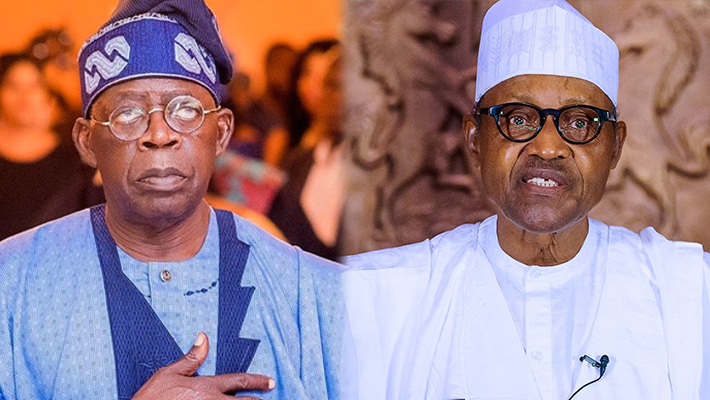
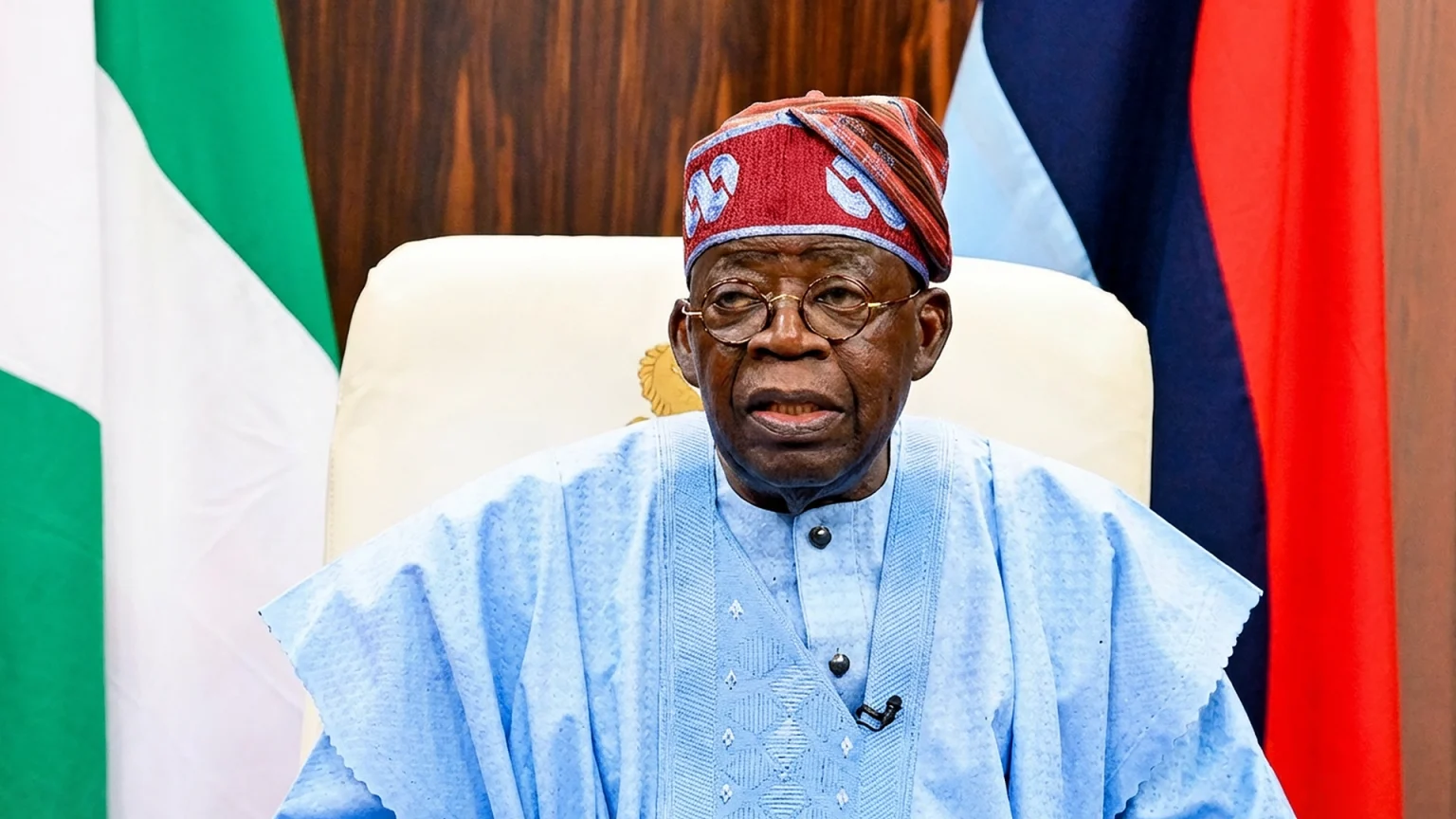
President Bola Tinubu says he has kept his promises and that Nigeria’s economy is now stable. Speaking to a delegation of North-East leaders at the State House on Thursday, the President said the consistent implementation of his economic reforms has brought the country into what he called a “golden era.” “The economy is already stabilised,” he told the visiting governors and traditional rulers, thanking them for their support and urging them to do more to help Nigerians understand the progress being made.
This is not the first time Tinubu has made this claim. Just a day earlier, he told another State House delegation that Nigeria’s economy had “passed the darkest tunnel” and was “running very stable” now.
A Promise the President Has Made Many Times Before
Tinubu has repeated versions of this claim since at least his 2026 New Year address, when he said Nigeria had recorded “tangible and measurable gains” in 2025 and predicted a “more robust phase” of growth for the year ahead.
At his third anniversary in office in May 2026, he made a similar case, pointing to a rising stock market and growing market capitalisation as proof that his reforms were working, even as he admitted that the same reforms had placed “enormous pressure on families, workers, and businesses.”
His own government has echoed this two-sided message. In June 2026, the Secretary to the Government of the Federation, George Akume, admitted at a Democracy Day briefing that inflation and insecurity “remain major challenges” for millions of Nigerians, even while insisting that GDP growth showed the reforms were “beginning to produce measurable results.”
Rights groups have pushed back hard against the government’s framing in the past. A Human Rights Watch review found that removing the fuel subsidy in 2023 helped drive inflation above 34 percent by mid-2024, with food inflation passing 40 percent, deepening what it called Nigeria’s worst cost-of-living crisis in nearly 30 years.
What the Latest Numbers Actually Show
The most recent official data gives Tinubu’s claim real support. Nigeria’s headline inflation rate eased to 15.91 percent in June 2026, down slightly from 15.93 percent in May, and sharply down from 25.29 percent recorded in June 2025, according to the National Bureau of Statistics (NBS).
Food inflation, the driver of hardship that hits households hardest, also fell year-on-year to 17.52 percent in June 2026, down from 25.41 percent a year earlier, though it still rose sharply month-on-month, and remained far higher than the national average in states like Niger and Kogi.
The stock market has also grown strongly under Tinubu’s watch, with the All Share Index rising from around 53,000 in 2023 to a record 250,000 in 2026, alongside a jump in market capitalisation.
Why the Numbers and People’s Daily Lives Can Tell Different Stories
Economists point to a few reasons why official figures can show improvement while many Nigerians still feel squeezed.
One reason is the “base effect” — because prices rose so sharply in 2023 and 2024, any slowdown now looks dramatic on paper, even if prices are still far higher than they were before the reforms began. Nigeria’s inflation numbers were also recalculated using a rebased Consumer Price Index in 2025, which changed how price changes are measured and compared.
Another reason is that gains in the stock market and government revenue mostly benefit investors and big businesses first, while ordinary households feel relief only slowly, if at all, through lower food and transport costs.
A third reason is uneven recovery across the country. Even as the national inflation figure falls, some states, like Niger and Kogi, still record inflation above 40 percent, meaning the “stabilised economy” does not feel the same everywhere.
How This Debate Affects Nigeria as a Country
For individual households, the gap between official statistics and daily reality shapes whether people trust the government’s messaging at all, especially when food and transport costs remain a daily struggle for many.
For businesses and investors, a genuinely stabilising economy, backed by lower inflation and a stronger currency, can attract fresh investment and support the government’s push to grow the economy to a trillion dollars by 2030.
For Nigeria as a whole, this is about more than economics — it is about political trust ahead of the 2027 election. If Nigerians feel the government is overstating progress, it could deepen public cynicism about official data and institutions generally. But if the recent slowdown in inflation continues and reaches household budgets, it could restore some confidence in a government that has asked citizens for years of sacrifice.
What Would Make “Stabilised” Feel Real to More Nigerians
Continue tracking food inflation closely and target support directly at high-inflation states like Niger, Kogi and the FCT, rather than relying only on the national average.
Ensure that savings from subsidy removal and reforms are visibly redirected into things that reduce household costs, such as power supply and local food production.
Improve transparency around how the rebased CPI affects comparisons with earlier years, so Nigerians can judge progress with clear, consistent numbers.
Strengthen social welfare programmes so vulnerable households feel relief sooner, rather than only after market-level indicators improve.
Continue efforts to boost domestic refining and reduce reliance on imported fuel, since fuel and transport costs affect nearly every other price in the economy.
Our Take
I do not think the President is simply making things up. The inflation numbers really have come down, and that is worth acknowledging. But “stabilised” is a strong word, and for many Nigerians still struggling to afford food and transport, it can sound like the government is grading its own homework. A more honest message might be that the bleeding has slowed, not that the wound has healed. Until the price of garri, transport fares and electricity actually feel lighter in an ordinary Nigerian’s pocket, claims of a “golden era” will keep sounding louder in Abuja than they do in the market.
Published by Ejoh Caleb