
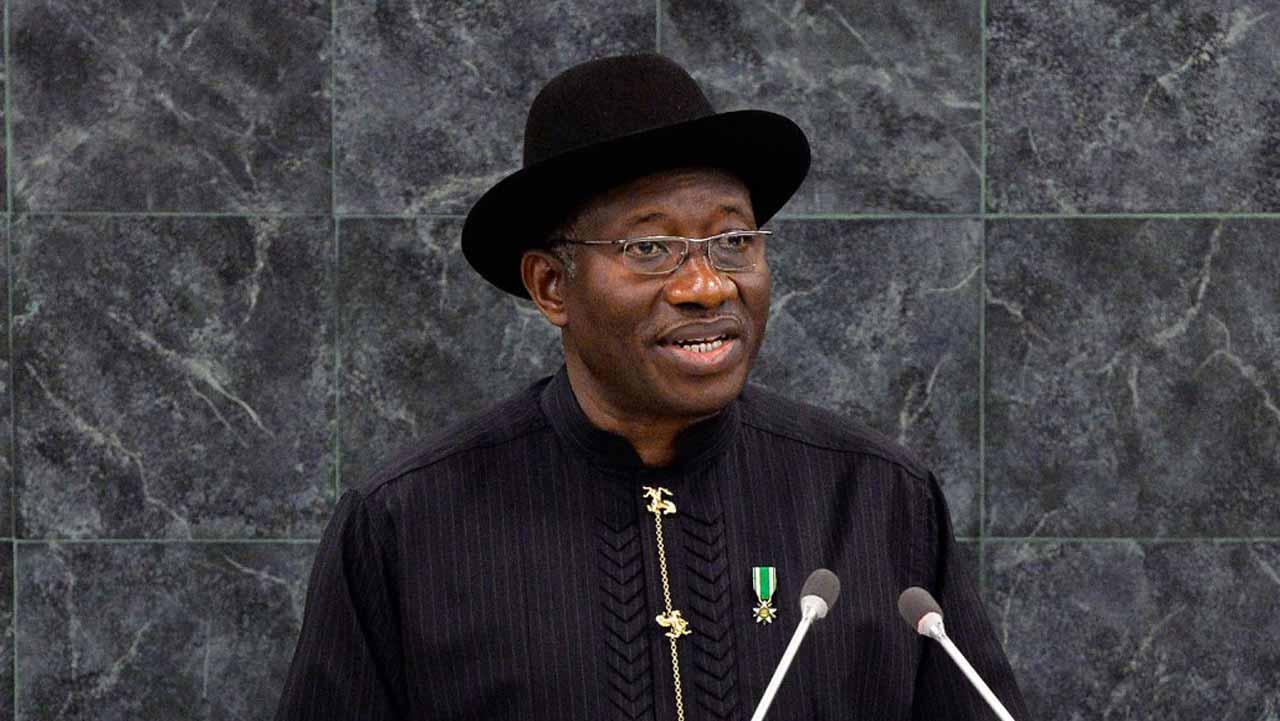
The claim that Goodluck Jonathan is permanently disqualified from contesting the Nigerian presidency is based on a contested interpretation of the 2017 constitutional amendment, particularly Section 137(3) of the Nigerian Constitution. However, the legal position is not as absolute as some commentary suggests.
The Core of the Dispute
Supporters of the disqualification argument maintain that the amendment bars anyone who has previously completed another president’s term and then served their own full term from ever contesting again. On this view, Jonathan, having completed Umaru Musa Yar’Adua’s term and later been elected in 2011, would fall within the restriction.
Opponents argue differently. They insist the provision applies prospectively—meaning it governs future elections after the amendment was enacted, not past tenures already concluded. In this interpretation, Jonathan’s 2011–2015 presidency occurred under earlier rules, and the amendment cannot be used to retroactively alter his eligibility status.
The Retroactivity Question
A major point of confusion is the idea of “retroactive law.” In constitutional interpretation, a law is not considered retroactive merely because it considers past events when determining present eligibility. Retroactivity typically means invalidating past actions or attaching new legal consequences to completed conduct.
In this case, the amendment does not nullify Jonathan’s past presidency or punish him for it. Instead, it sets conditions for eligibility in future elections. That distinction is why some legal scholars argue it is prospective in application, not retroactive in effect.
The Role of Court Interpretation
There has been reference to a Bayelsa-related court decision often cited in public debate, but its authority is disputed. It did not arise from a fully contested election involving Jonathan as a candidate, and its binding effect on future candidacy remains uncertain.
Ultimately, constitutional eligibility questions are not resolved by public opinion or political argument but by judicial interpretation. Until the Supreme Court of Nigeria gives a definitive ruling on how Section 137(3) applies to Jonathan specifically, the issue remains legally debatable.
Conclusion
The question of whether Jonathan can contest again is not settled in absolute terms. It depends on competing constitutional interpretations—one restrictive, one permissive. What is clear is that strong assertions of permanent disqualification or automatic eligibility both go beyond what the law has conclusively established.
Published by Chuks Nwachuku