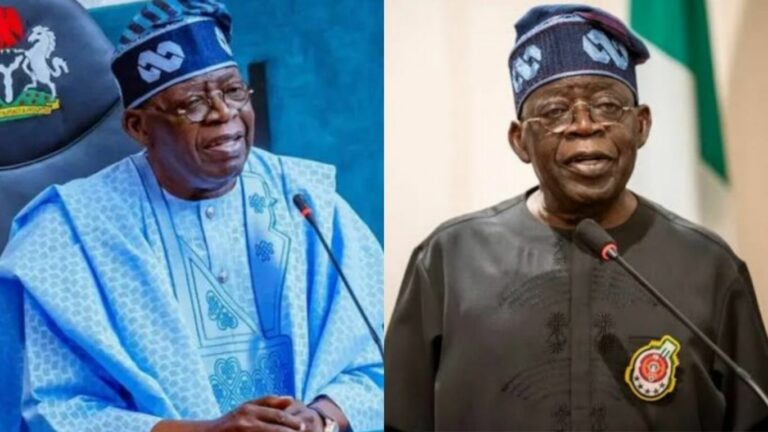
Bola Ahmed Tinubu has admitted that rising fuel prices are taking a toll on Nigerians, while calling for patience and optimism as his administration works to stabilise the economy.
The President made this known on Friday during a visit to Bayelsa State, where he commissioned projects and addressed growing concerns over the cost of living.
“I hear you from various angles of the economy. The fuel price is biting hard, but look around. Let us just thank God together that you are better off,” Tinubu said.
He also compared Nigeria’s economic challenges with those faced by other African countries, including Kenya, noting that the hardship is not unique.
“Listen to them in Kenya and other African countries, what they are going through. We will not look back. We will continue to find ways to ameliorate the suffering of the vulnerable. This is a government that cares,” he added.
According to Tinubu, the economic strain is partly driven by global factors, including the ripple effects of international conflicts.
“The challenge is from a war we did not call for, but the effects of the interrelated world that we share. Both the joy and pain of it are universal,” he stated.
Since taking office in May 2023, Tinubu’s administration has rolled out major reforms, including the removal of fuel subsidy and the floating of the naira—policies aimed at long-term economic stability but which have significantly increased inflation and living costs.
Public Reactions Trail President’s Comments
The President’s remarks have sparked mixed reactions from Nigerians, many of whom expressed frustration over the comparison with other countries:
“Leadership should aim to improve lives, not compare suffering levels.”
“Does Kenya produce the amount of oil we have?”
“This man don see us finish… na whining e just dey whine us.”
“We should be measuring up with countries ahead of us, not those we are better than.”
“With Nigeria’s resources, foreigners should be queuing for visas—yet here we are.”
The comments reflect growing public concern over economic hardship, as many citizens continue to struggle with rising fuel costs, food prices, and overall inflation.
Published by Ejoh Caleb