
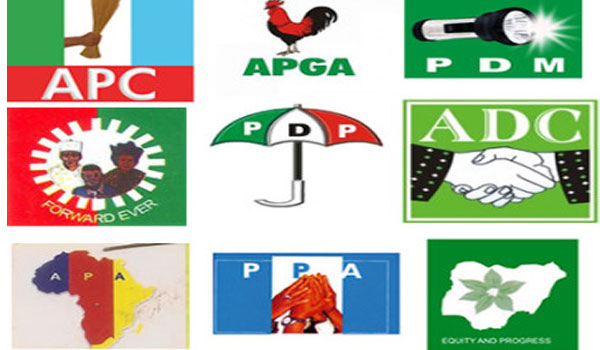
In Nigeria’s evolving democratic landscape, it has become increasingly important for citizens to distinguish between internal party disputes and the actual functionality of political institutions. One recurring misconception is the tendency to equate party chairmanship tussles with the collapse or dysfunction of an entire political party. This misunderstanding not only distorts public perception but also weakens confidence in democratic processes.
A political party is a structured institution governed by its constitution, organs, and procedures—not by a single individual. While the role of a party chairman is significant, it is not synonymous with the existence or operational capacity of the party itself. The chairman is a leader within the system, not the system itself.
This distinction is particularly relevant in light of the ongoing chairmanship dispute within the African Democratic Congress (ADC), involving David Mark and Nafiu Gombe. While their disagreement has attracted attention, it is essential to recognize that such disputes are not unusual in democratic settings and do not automatically translate into a breakdown of party operations.
Both parties involved in the dispute have the right to seek legal redress, and the courts remain the appropriate avenue for resolving such conflicts. Meanwhile, the ADC, as an institution, retains its capacity to function through its established organs—executive committees, working groups, and other administrative structures. As long as due process is followed and all relevant parties are properly notified, the activities and decisions of the party remain valid.
It is therefore the responsibility of the ADC not to amplify narratives that suggest its internal leadership dispute amounts to a systemic crisis. Doing so risks eroding public trust and handing undue advantage to political opponents who may seek to exploit perceived instability.
Beyond party politics, this issue touches on a broader democratic principle: the sovereignty of the Nigerian people. As enshrined in the Constitution of the Nigeria, ultimate power resides with the citizens, who exercise it primarily through elections. Any attempt—whether direct or subtle—to limit or manipulate this right must be firmly resisted.
Concerns have been raised about the potential for political interference or dominance by the ruling All Progressives Congress (APC) ahead of the 2027 general elections. Nigerians must remain vigilant and committed to safeguarding their democratic rights. The integrity of the electoral process is not just a political issue—it is a national one.
In conclusion, internal party disputes, including those over leadership positions, are part of democratic practice and should not be misconstrued as institutional failure. Political parties must continue to function within their constitutional frameworks, while citizens must stay informed, engaged, and protective of their democratic rights. Only through such collective awareness can Nigeria’s democracy continue to grow stronger.
Published by Chuks Nwachuku