
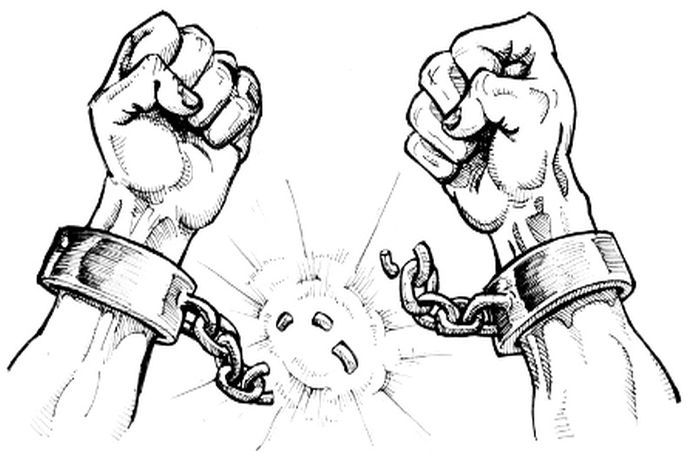
In recent times, there has been a surge in revisionist narratives about Black slavery and the colonization of Africa. For some, these discussions feel less like a pursuit of truth and more like an attempt to stir anger and reinforce a sense of victimhood. This reaction is understandable, especially when such conversations seem disconnected from present realities.
It is important to recognize that slavery is not unique to any one race or region. Across history, civilizations rose and fell on systems that involved conquest and forced labor. Empires led by figures such as Nebuchadnezzar II and Tiglath-Pileser III enslaved vast populations long before the transatlantic slave trade. In that sense, the ancestors of many people across the world experienced some form of subjugation.
Even Europe, often portrayed as dominant in later centuries, was not always so. In earlier periods, parts of Europe were considered less developed compared to regions in Asia and the Middle East. Over time, however, global power dynamics shifted.
What distinguishes the transatlantic slave trade and the colonization of Africa is not merely the existence of slavery, but its scale, structure, and lasting consequences. These systems were deeply tied to race and had far-reaching economic and social impacts that continue to shape global inequalities today. This is why they remain central in historical and political discussions.
Still, the question arises: how much focus should be placed on the past?
Countries like India also experienced colonial rule, yet their national discourse today often prioritizes growth, development, and global competitiveness. This suggests that while history is acknowledged, it does not have to dominate a nation’s identity or limit its ambitions.
Bringing the conversation closer to home, concerns about present leadership and accountability are valid. References to figures like Bola Ahmed Tinubu highlight a deeper frustration—not just with historical narratives, but with current governance and decision-making. For many, the real issue is not what happened centuries ago, but what is happening now.
Places such as Badagry, with sites like the old slave dungeons, serve as reminders of both external exploitation and internal participation in the slave trade. These histories are complex and often uncomfortable, but they remain part of the broader story.
Ultimately, progress depends on balance. A society must understand its past without becoming trapped in it. Dwelling solely on historical injustices can hinder forward movement, yet ignoring them entirely risks losing valuable lessons.
The real challenge is to shift the focus from past grievances to present responsibility. Nations and individuals alike are defined not only by where they come from, but by the choices they make today.
In the end, history may remain unchanged, but the future is still being written—and that is where the greatest power lies.
Published by Chuks Nwachuku