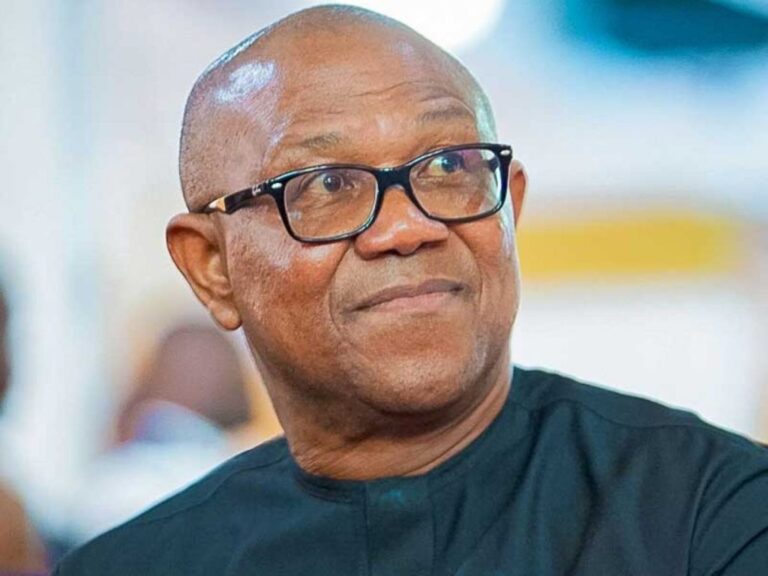
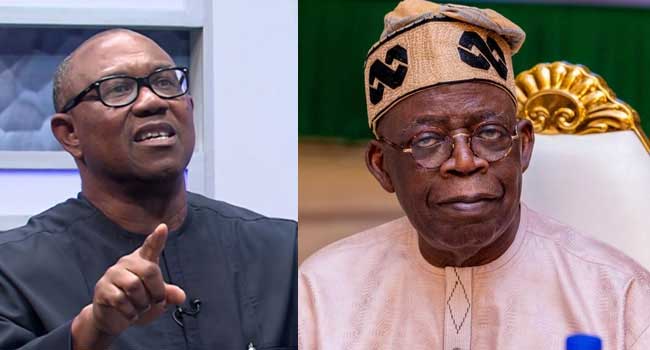
Peter Obi, the presidential candidate of the Nigeria Democratic Congress (NDC), has said many Nigerians now prefer going to church instead of hospitals because many have died in hospitals due to the poor state of healthcare. He spoke at the town hall meeting in Imo State.
He also questioned how the savings from the removal of the fuel subsidy have been used. He said that when Tinubu removed the subsidy, he promised that the money would go to critical areas of development, “but look at what is happening in our country”.
What the Cancer Evidence Says About Hospital Care and Delay (Late Presentation Means Reaching a Doctor After a Disease Has Spread)
Obi’s point about cancer touches a real problem, though the picture is more complex than a choice between church and hospital. A review of the evidence found that over 70 per cent of Nigerian cancer patients arrive at stage III or IV, when treatment is harder. A report on breast cancer noted that choosing alternative care first makes late diagnosis more likely, and that prayer should work alongside medicine, not replace it.
Cost and access are also factors. Daily Trust reported that a chemotherapy dose can cost ₦150,000 to ₦500,000, and that some patients abandon hospital treatment for cheaper herbal remedies. A UCH Ibadan expert said in September that Nigeria has fewer than 20 radiotherapy machines, against a need of at least 1,000 by one measure. Experts also cite late diagnosis and poor awareness. Obi’s claim about why people choose church is his own reading, and it is not proven.
The Government’s Health Record: Rising Budgets, Falling Short of the Benchmark (The Abuja Declaration Is a 2001 Pledge to Spend 15 Per Cent of the Budget on Health)
The government points to higher health spending. It allocated ₦2.48 trillion, about 5.18 per cent of the budget, in 2025, up from ₦1.23 trillion in 2024. Health Minister Muhammad Pate said he expected the 2026 share to approach six per cent.
Critics say the numbers remain low. The 2026 proposal gave health ₦2.48 trillion of ₦58.47 trillion, about 4.2 per cent, less than a third of the 15 per cent target. The Nigerian Medical Association called a similar allocation “simply unacceptable and grossly inadequate”. Pate also told lawmakers that only ₦36 million of ₦218 billion in 2025 health capital funds had been released at that point. People pay about 71.9 per cent of current health spending out of pocket, and 45.5 per cent of households faced catastrophic health costs in one survey.
What the Government Says It Is Doing on Cancer and Care
The Federal Government has launched a National Cancer Control Plan for 2026 to 2030 and a cost-sharing scheme with the National Health Insurance Authority offering up to ₦400,000 in radiotherapy subsidies for low-income patients. A report says the government approved 35 new radiation machines, to be bought between 2027 and 2029, along with six new cancer centres.
Six regional cancer centres of excellence have also been built, three of them already commissioned, according to Daily Trust. These steps are real, but most of the new machines are still future plans. Patients who need treatment today may not feel the difference.
Where Did the Subsidy Savings Go? The Official Account and Its Critics (Subsidy Savings Means Money Not Spent on Petrol Price Support)
When Tinubu removed the subsidy in May 2023, he promised to redirect the funds into infrastructure, education, health care and jobs. In August, Finance Minister Taiwo Oyedele gave a breakdown. He said the government had recorded about ₦20.4 trillion in extra resources between June 2023 and December 2025, including ₦15.8 trillion in subsidy savings that went into the Federation Account.
He said the savings were shared among the three tiers of government. The Federal Government received ₦5.43 trillion, states ₦6.52 trillion and local governments ₦3.88 trillion. He said removal did not create a single pool of cash. He also said the funds went into debt servicing, the new minimum wage and student loans.
Critics are not satisfied. Eze Onyekpere of the Centre for Social Justice said Nigerians have not seen matching improvements in electricity, health care or education, and that debt rose from ₦87.3 trillion to over ₦159 trillion. The Presidency has said the most visible result is larger allocations to states and local governments. The question of whether states used their share on health is also open.
A Question Asked Before: Calls to Account for Subsidy Money
Obi’s challenge is not new. In 2025, he asked the Tinubu administration to account for the savings and show proof of spending on education, health and poverty reduction. He also said he would have removed the subsidy himself. Atiku Abubakar made a similar demand this year before the finance minister’s breakdown.
This suggests that the debate is less about whether the subsidy should have gone and more about proof of results. The government has now published its account, and the opposition says that account does not show enough visible gains in health.
What Mistrust of Hospitals Costs: Late Treatment, Lost Lives and a Strained Nation
If people lose faith in hospitals, they may delay care until diseases are advanced. Late cancer care is more expensive and less likely to succeed. Families also lose earners and carers, and the economy loses productive years.
The risk also touches trust in public institutions. Hospitals depend on patients being willing to come early. Faith and medicine are not enemies, and many patients use both. But when a health system is unreliable, people look elsewhere, and some of those places cannot treat serious illness.
Rebuilding Trust in Care: Funding That Reaches Hospitals, Clear Reporting and Early Detection
The government can publish how much of each year’s health budget is actually released and spent. It can report where subsidy savings reached hospitals, by state and by project. States can publish the same for their own shares.
Health authorities can also invest in early detection, including screening and public education, in partnership with churches, mosques and community leaders. Many people trust their faith leaders on health, so those leaders can encourage early hospital visits. Expanding insurance for cancer care and shortening treatment delays would also help.
Show the Money and Heal the System: Our Reading of a Pointed Question
We take no side in this contest. Mr Obi is right that health care is under strain and that voters can ask where the subsidy savings went. The government has given an account, and its figures deserve study. Both can be true.
Mr Obi’s claim about why people choose church is his opinion, and he has not shown evidence for it. But the problem behind the claim, late and costly cancer care, is well documented.
We ask the government to match its plans with visible results and to report them in plain terms. We ask Mr Obi to say what he would do differently, with figures. Patients do not need slogans. They need a hospital that is open, affordable and trusted.
Published by Ejoh Caleb