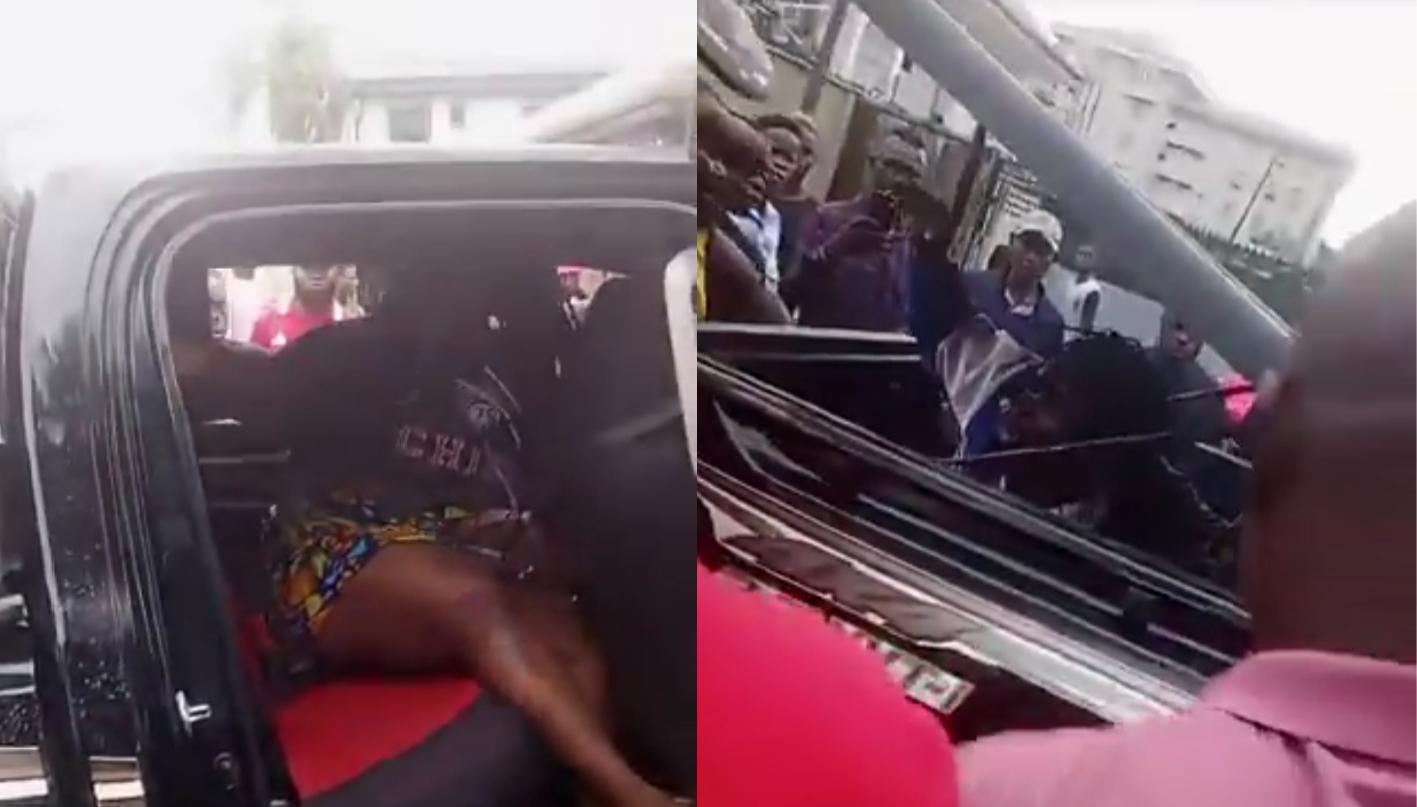
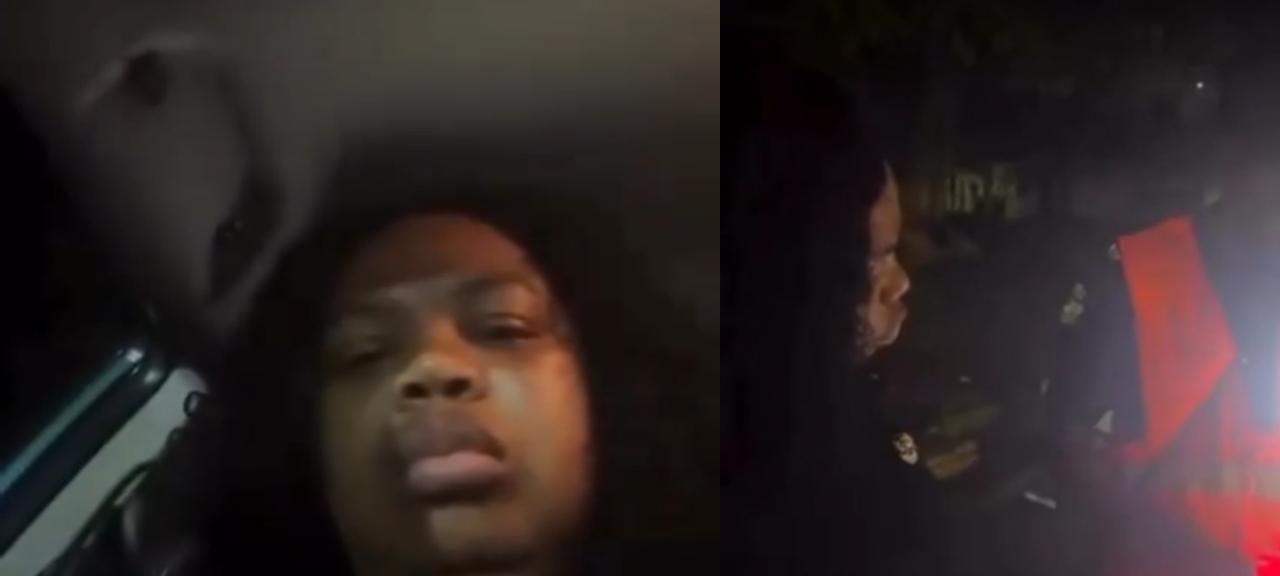
A routine traffic stop in Abuja turned into a loud public argument after police officers asked a woman to show her vehicle insurance certificate. “You have no right to ask for my car insurance certificate,” she told the officers. Things got worse after one officer allegedly tried to take her phone because she was recording the encounter.
What Actually Happened, and What We Still Don’t Know
We don’t yet know exactly how the stop started, or which police unit was involved. But the pattern is familiar: a routine document check, an argument over what the officer can legally ask for, and things getting worse once a phone camera comes out.
Under Nigeria’s traffic rules, drivers must carry a valid insurance certificate, a driver’s licence, and other vehicle papers, and show them to police when asked. This means the officers’ request was not wrong on its own. The real problem, if the allegations are true, is what happened after: an officer trying to take her phone.
Why This Case Matters
This case matters because it shows two very different things happening in one stop. Asking for an insurance certificate is legal. Trying to seize someone’s phone for recording is not. Many people will see this story as simply “police versus citizen.” But the more accurate way to see it is this: one part of the stop was lawful, and the other part, if true, was not. It also matters because we get to see the argument happen in real time, on camera, instead of only hearing about it afterward.
This Keeps Happening (Past Cases)
Fights that start with a routine police stop and get worse once someone starts recording happen often in Nigeria.
In May 2026, police in Abia State arrested officers who were filmed trying to grab the phones of a man who told them he was recording them. One officer told him, “I’m not afraid of the recording,” just before the fight turned physical. In April 2026, police in Lagos beat up rights activists for filming police harassment. A police commissioner reportedly told the activists that their video “was not good” as evidence, and this made many Nigerians angry. In December 2021, four Abuja police officers on duty in the Area 11 area were arrested after a video showed them collecting bribes from a young driver, once the video went viral.
These cases show a pattern. Officers usually only face consequences after a video spreads online. This may be part of why officers react so strongly when someone starts filming.
What This Reveals About Police Harassment
Looking at this case alongside the others, a few things stand out:
The camera itself has become the real fight. In this case and the others, trouble does not start over the original issue, like a document check. It starts once someone begins recording. That tells us the real problem is not about paperwork. It’s about who controls what people see afterward.
Some officers treat being filmed as the actual crime. This is backwards. It also hurts good officers, who get grouped together with bad ones because the public no longer trusts these encounters by default.
Accountability only happens after public anger, not before. In every past case here, officers faced punishment only after a video went viral, not through a normal internal police review. This means most harassment probably goes unpunished, since most encounters are never filmed or never go viral.
Why This Keeps Happening (Causes and Effects)
People don’t know exactly what police can legally ask for. This makes citizens suspicious even when a request, like for an insurance certificate, is allowed by law.
Years of bad experiences with police checkpoints have made many Nigerians expect bad behaviour from officers, even during a normal stop.
Recording feels like the only protection people have. With few trusted ways to report bad police conduct, many citizens depend on their phone camera to protect them. This is exactly why trying to take that phone away makes things worse, not better.
Nobody has clearly explained the right to record police. Nigerians generally have the right to film police doing their job in public. But many citizens, and it seems some officers too, don’t know this.
Every viral fight like this damages public trust in the police a little more. And officers who feel unfairly filmed and shared online may become more defensive during future stops. This makes the next encounter even more likely to turn into a fight.
What Needs to Change (Possible Solutions)
Teach citizens clearly what documents officers can legally ask for, so people know their rights before a stop happens.
Tell officers clearly that citizens have the right to record them, so filming is not treated as a threat.
Create fast, independent complaint channels for citizens and officers, so disputes don’t need to go viral to get attention.
Give traffic officers body cameras. These have helped reduce fights in other countries by creating a clear record of what really happened.
Punish officers who break the law consistently, not only when a video happens to go viral.
Wider Implications for Nigeria and the World
Inside Nigeria, this adds to a running list of videos showing how some police behave when they think no one is watching. Every video like this shapes how citizens act during their next stop, whether they trust the officer or not. That makes it harder for police and citizens to calm down during normal encounters.
Around the world, stories like this affect how people see Nigeria’s police and its rule of law. International rights groups and foreign missions pay attention to this, the same way they track corruption cases like the Emefiele or Malami property forfeitures. This case is smaller in money terms, but it shapes everyday opinions just as strongly, including among Nigerians living abroad and visitors thinking about how safe the country feels.
My Thoughts
What bothers me most about stories like this is how predictable they’ve become. A simple document request turns into a shouting match, and the moment a phone comes out, things get worse. If the officers really did try to take her phone, that is the real problem here, not the original request for her insurance certificate, which the law actually supports. Filming a police stop is not obstruction. It protects both the citizen and any officer who is behaving properly and has nothing to hide. Until Nigerians trust that bad behaviour will be punished without needing a viral video first, and until officers stop treating cameras as a threat, these fights will keep happening, one traffic stop at a time.
Published by Ejoh Caleb