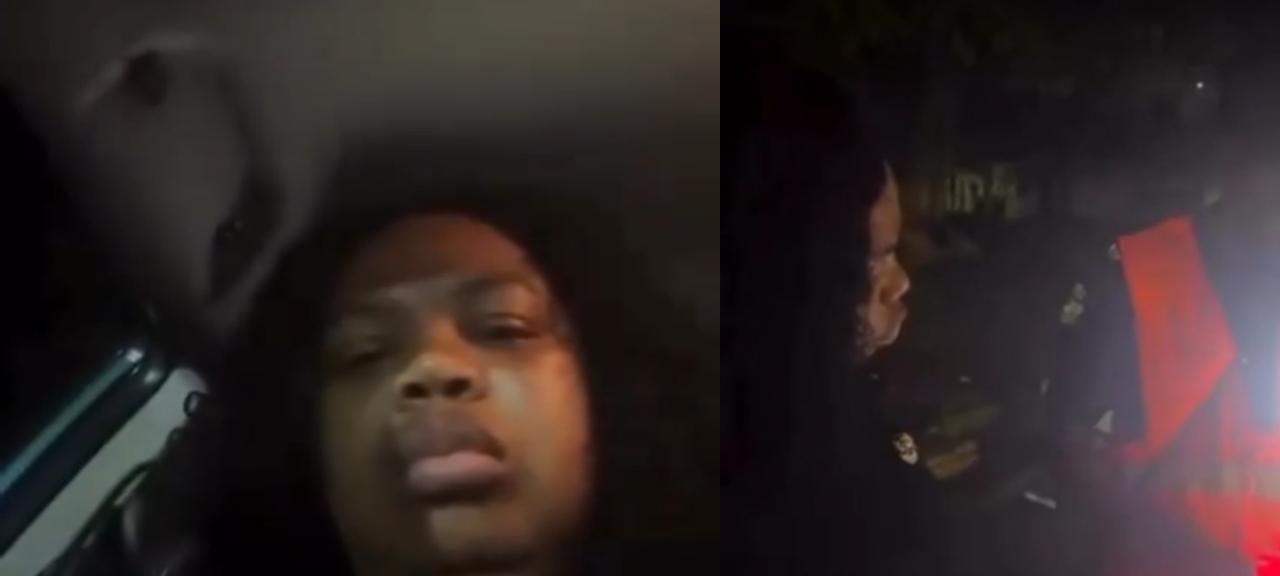

A man believed to be in his late 50s was confronted by residents after he was allegedly discovered with a young girl from his neighbourhood, in a video now trending online. The man is seen pleading for mercy as residents gathered around him.
According to the girl, this was not the first time the man had sexually abused her. She alleged that he had repeatedly persuaded her to visit him before he was finally caught.
What We Know, and What We Don’t
The allegations in this video are serious and, if true, amount to child sexual abuse, a crime under Nigerian law regardless of any claim of consent from a minor. At the time of writing, there is no confirmation that police have taken over the case, and the man has not been tried in court, so the allegations against him remain unproven. What the video does show is a community taking matters into its own hands rather than immediately involving law enforcement, a pattern that raises its own concerns even when the underlying allegation is grave.
A Pattern Nigeria Cannot Ignore (Past Cases)
Cases like this are disturbingly common, and communities confronting suspects directly, rather than calling police first, is part of a recurring pattern. In January 2026, residents of Obunagha community in Bayelsa State apprehended a 40-year-old man, giving him a severe public flogging, after he was accused of sexually abusing his 12-year-old step-daughter, before he was eventually handed over to police. The founder of a gender-based violence organisation involved in that case said her group alone had recorded three separate cases of child sexual abuse by step-fathers in just the two months before that incident. That same month, police in Oyo State arrested a 27-year-old man for allegedly sexually abusing an eight-year-old neighbour after the child told her father she was in pain. In an earlier, especially disturbing case, police in Kano State arrested a man accused of sexually abusing 40 people over the course of a year, including children as young as 10, after a mother caught him in her children’s bedroom and neighbours gave chase.
According to the Cece Yara Foundation, a Nigerian child rights organisation, roughly 1 in 4 girls and 1 in 10 boys in Nigeria experience sexual violence before reaching the age of consent. The United Nations has separately estimated that 12 percent of Nigerian girls aged 15 to 19 have experienced sexual violence.
Why This Keeps Happening (Causes and Effects)
Abusers exploit trust and proximity. Neighbours, relatives and family friends have easy, repeated access to children, which is part of why so many cases, including this one, involve someone the child already knew.
Shame and stigma silence families. Many Nigerian families are pressured to settle child abuse cases quietly rather than pursue prosecution, out of fear of being blamed for “ruining a man’s life.”
Weak, slow-moving formal justice pushes communities toward vigilante action. When people don’t trust that police and courts will act quickly, they resort to public confrontation and mob punishment instead.
Underreporting hides the true scale of the problem. The most recent nationwide data on child sexual abuse in Nigeria is over a decade old, meaning the real number of children affected is likely far higher than official figures suggest.
The effects are devastating and long-lasting. Survivors often carry trauma for life, and communities that normalise silence or private settlements over prosecution allow abusers to continue targeting other children unchecked, as seen in cases where the same man is accused of abusing multiple victims over time.
The Wider Cost to Nigeria and the World (National and Global Effects)
The damage from cases like this does not stay within one household or one community; it adds up into a national and international problem.
Within Nigeria, UNICEF’s national survey found that six out of ten Nigerian children experience some form of physical, emotional or sexual abuse before turning 18, with one in four girls and one in ten boys experiencing sexual violence specifically. When abuse is this widespread, it affects the country’s entire future workforce and citizenry: children who grow up abused and unsupported are more likely to struggle with mental health, education, and stable relationships as adults, which weighs on national productivity and development for decades to come.
Internationally, Nigeria’s record on protecting children and vulnerable people feeds directly into how the country is assessed by global bodies. The United States State Department’s annual Trafficking in Persons Report, which foreign governments and investors use as a reference point, has repeatedly flagged Nigeria over weak enforcement, corruption within protective agencies, and unpunished abuse of vulnerable people, including children. Persistent stories of unresolved child abuse feed into this global picture of Nigeria as a country where child protection systems are weak, which can affect everything from diplomatic standing to how foreign partners and donor agencies view collaboration with Nigerian institutions on child welfare programmes. Every case that ends in a viral video and public flogging instead of a proper conviction reinforces that image, rather than showing the world a justice system capable of protecting its own children.
What Needs to Change (Possible Solutions)
Communities should hand suspects to police immediately, rather than confronting or punishing them directly, both to protect the community from legal consequences and to ensure evidence is properly preserved for prosecution.
Faster, trauma-informed police response to child abuse reports would help rebuild the public trust that currently drives some communities to act alone.
Wider awareness of helplines, such as the Cece Yara Child Helpline (0800 800 8001, free and specifically for children), so that abuse can be reported safely and confidentially before it is repeated.
Stronger enforcement of existing child protection laws, including consistent prosecution instead of families being pressured into private settlements.
Updated national data collection on child sexual abuse, since the most recent comprehensive study is now more than a decade old.
My Thoughts
What stays with me most in this story is the girl’s claim that this had happened more than once before he was finally caught. That detail, if true, means there were chances to stop this earlier that were missed, most likely because of the same shame and silence that keeps so many Nigerian families from reporting abuse. I understand the anger that drives a community to confront someone like this directly, but public shaming and mob confrontation are not a substitute for a proper police investigation and prosecution, both for the sake of justice and to protect the child’s identity and wellbeing going forward. Protecting children has to mean more than reacting after the fact. It means believing children the first time they speak up, and building a system fast and trustworthy enough that families don’t feel they have to choose between silence and a mob.
Published by Ejoh Caleb