
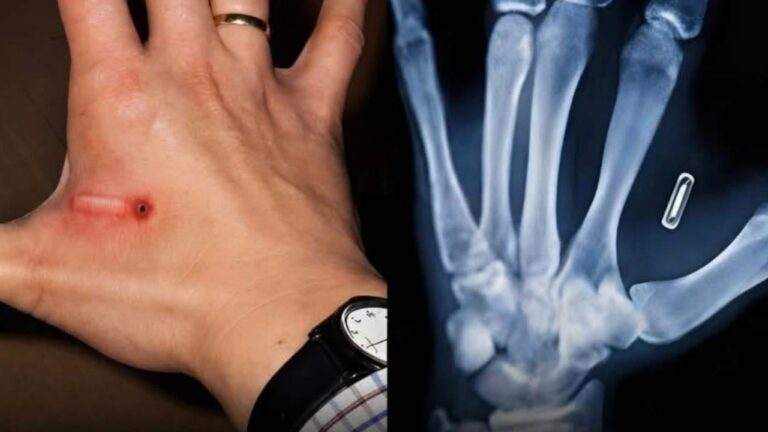
Thousands of people in Sweden have voluntarily implanted microchips beneath their skin, making the country one of the world’s clearest examples of human-technology integration in everyday society.
The tiny devices, about the size of a grain of rice, are typically inserted into the hand between the thumb and index finger. They function as digital keys, identification tools and even transit passes.
This growing trend reflects Sweden’s strong embrace of digital innovation and its shift toward a cashless society.
Using Near Field Communication (NFC) technology — the same system behind contactless bank cards and mobile payments — the chips contain no batteries and activate only when placed near a compatible reader.
With a simple wave of the hand, users can:
- Unlock office doors
- Access gyms
- Validate train tickets
- Store basic personal information
The movement has been largely fueled by tech enthusiasts, biohackers and transhumanists who see the implants as practical lifestyle upgrades rather than medical devices.
Insertion is quick and similar to receiving a vaccine, with many users viewing the chips as convenient replacements for physical cards, keys and passes.
Some employers and transportation systems in Sweden already support the technology, allowing chipped users to navigate daily life more seamlessly.
Supporters Highlight:
- Convenience
- Reduced risk of losing cards or keys
- Faster access to services
- Enhanced functionality
Critics Raise Concerns About:
- Privacy risks
- Potential data breaches
- Tracking fears
- Ethical questions surrounding body-integrated technology
Though Sweden has become a leading adopter, debates continue over regulation and long-term implications.
As implantable technology becomes more normalized, experts are increasingly calling for clearer laws and oversight to balance innovation with personal privacy and security.
Published by Ejoh Caleb